
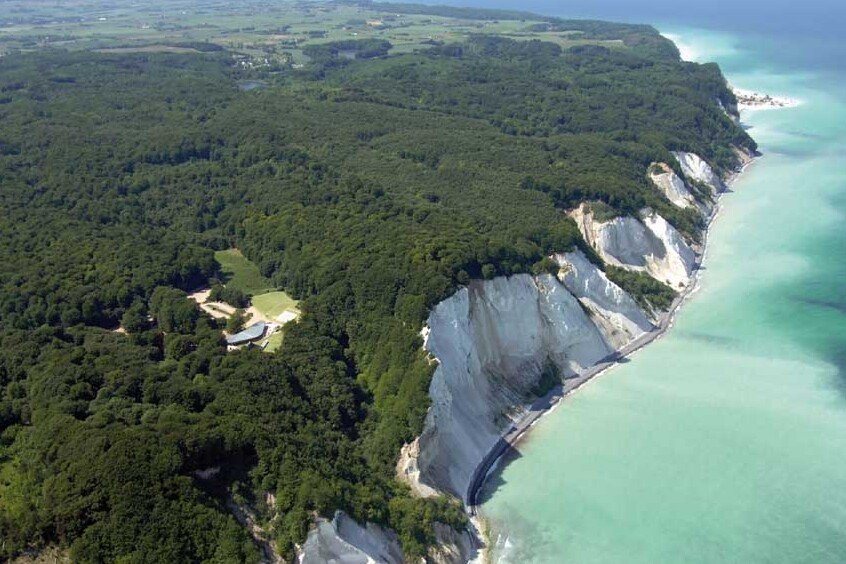

The White Cliffs of Møn, known as the Wonder of the Baltic, stand as a breathtaking testament to nature's artistry. Located near Borre, Denmark, these towering chalk cliffs rise dramatically over the turquoise waters of the Baltic Sea, creating a striking contrast that has captured the hearts of visitors for centuries. The cliffs, part of the Møns Klint National Park, are a geological marvel formed during the Danian period, approximately 70 million years ago, when the area was covered by a shallow sea. The chalk, primarily composed of the microscopic remains of marine creatures, has eroded over time, revealing stunning formations and fossils that speak to the earth's ancient history.
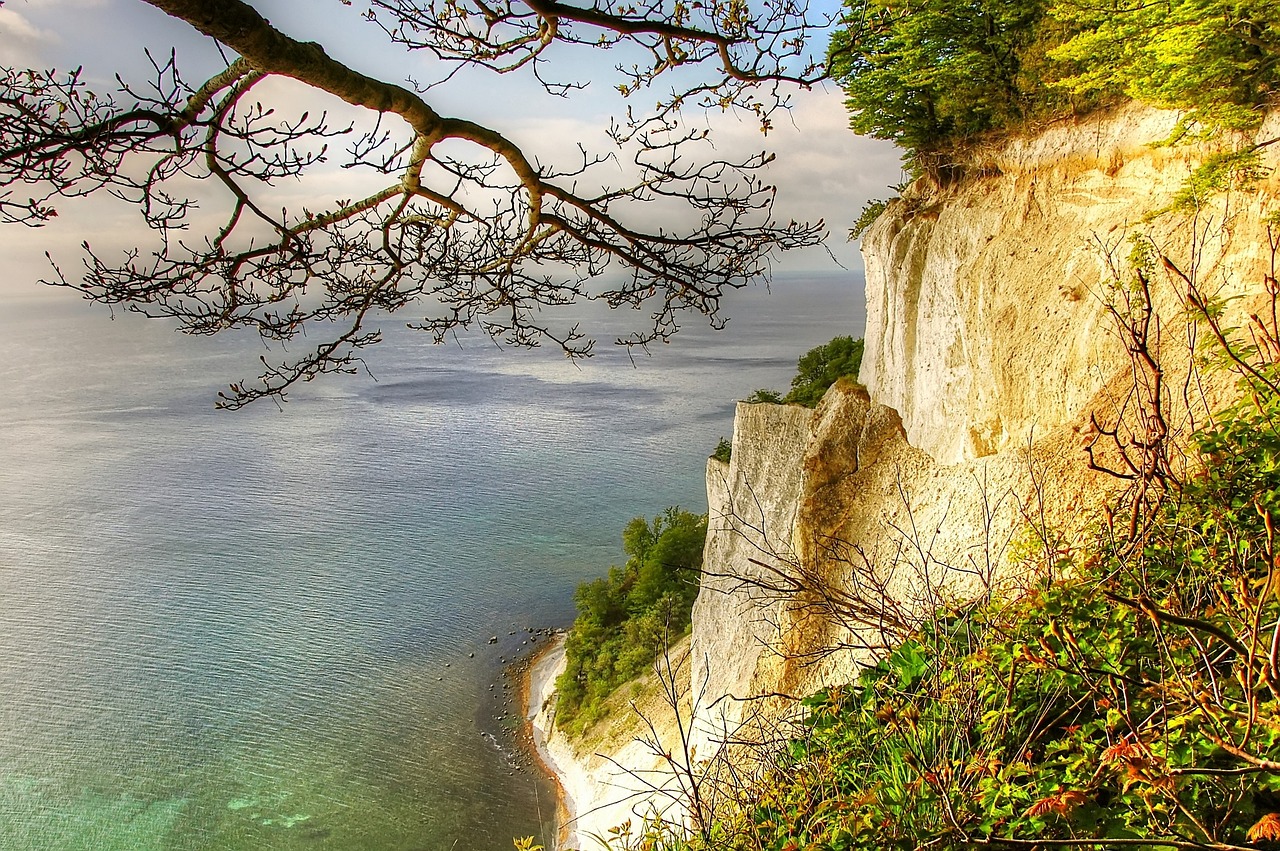
The cliffs have not only shaped the landscape but also the cultural and historical narrative of the region. They were first documented in the 16th century, and over the years, they have inspired artists, poets, and adventurers alike. The nearby Borre Mound, a significant archaeological site, holds the remnants of Viking burial sites, showcasing the rich tapestry of Denmark’s past. It is believed that the area was inhabited since the Stone Age, and the cliffs served as a natural landmark for sailors navigating the Baltic Sea.
In terms of art and architecture, the cliffs are a canvas for artistic expression. The surrounding villages, such as Stege and Borre, exhibit traditional Danish architecture, with quaint half-timbered houses and charming thatched roofs. Local artists often display their works inspired by the dramatic landscape, with galleries showcasing everything from paintings to sculptures that reflect the natural beauty of the cliffs. Notably, the Møns Klint GeoCenter offers educational exhibits that delve into the geological significance of the cliffs, making it a must-visit for those interested in the science behind this natural wonder.
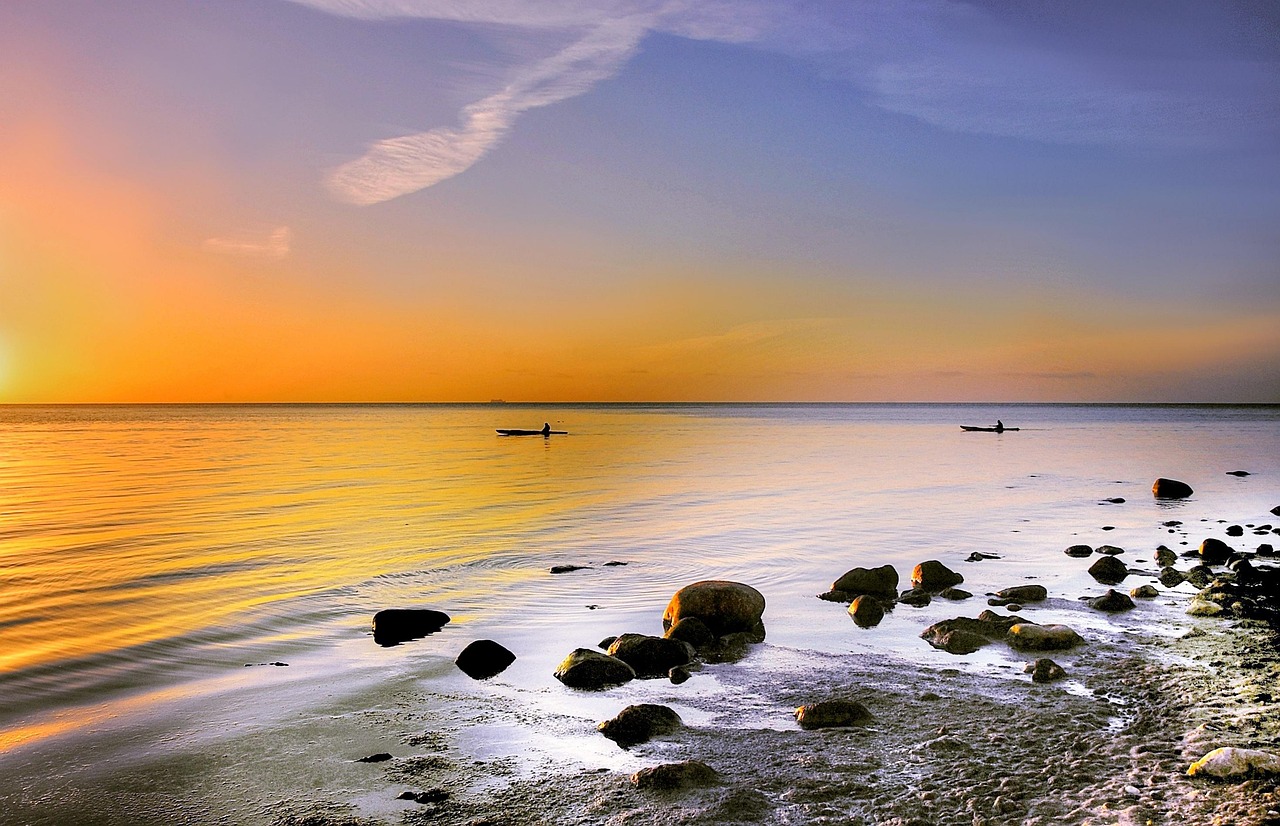
The local culture around the cliffs is vibrant and deeply rooted in tradition. The annual Møns Klint Nature Festival celebrates the region’s flora and fauna, attracting nature enthusiasts and families alike. Activities include guided hikes along the cliffs, fossil hunts, and workshops on conservation. Additionally, the local folklore is rich with tales of sea monsters and mythical beings, adding a layer of mystique to the already enchanting landscape. Visitors can often witness traditional Danish customs during the summer months, with locals engaging in outdoor markets and folk music performances that resonate with the area’s history.
As you explore the cliffs, don’t miss out on the chance to indulge in the local gastronomy. The region is known for its fresh seafood, particularly herring and mussels, which are often served in quaint seaside restaurants. Pair your meal with a glass of Møn Ale, a local brew that reflects the island’s brewing heritage. For those with a sweet tooth, the traditional Æblekage, an apple cake, is a must-try dessert that showcases the local produce.
Among the lesser-known curiosities, the cliffs are also a fossil hunter's paradise. Many visitors are unaware that they can find fossils of sea creatures embedded in the chalk, dating back millions of years. Additionally, the cliffs are home to a diverse range of wildlife, including the elusive peregrine falcon, which has made a remarkable comeback in recent years. Spotting this majestic bird soaring over the cliffs is a thrilling experience for birdwatchers. Moreover, the bioluminescent algae that sometimes appear in the waters around Møn create a magical display after sunset, illuminating the waves with a soft glow.
For those planning to visit, the best time to explore the White Cliffs of Møn is during the late spring and early summer months, when the weather is mild and the landscape is lush and vibrant. It is advisable to wear sturdy shoes for the hiking trails and bring a camera to capture the stunning vistas. Don’t forget to check out the Møns Klint Visitor Center for maps and tips on the best hiking routes, as well as information on guided tours that delve into the geology and history of the area.
With its breathtaking scenery, rich history, and vibrant culture, the White Cliffs of Møn are more than just a natural wonder; they are a celebration of Denmark’s heritage and the beauty of the Baltic Sea. To truly make the most of your visit to Borre, consider using the Secret World app to curate a personalized itinerary that highlights the hidden gems of this enchanting region.


