



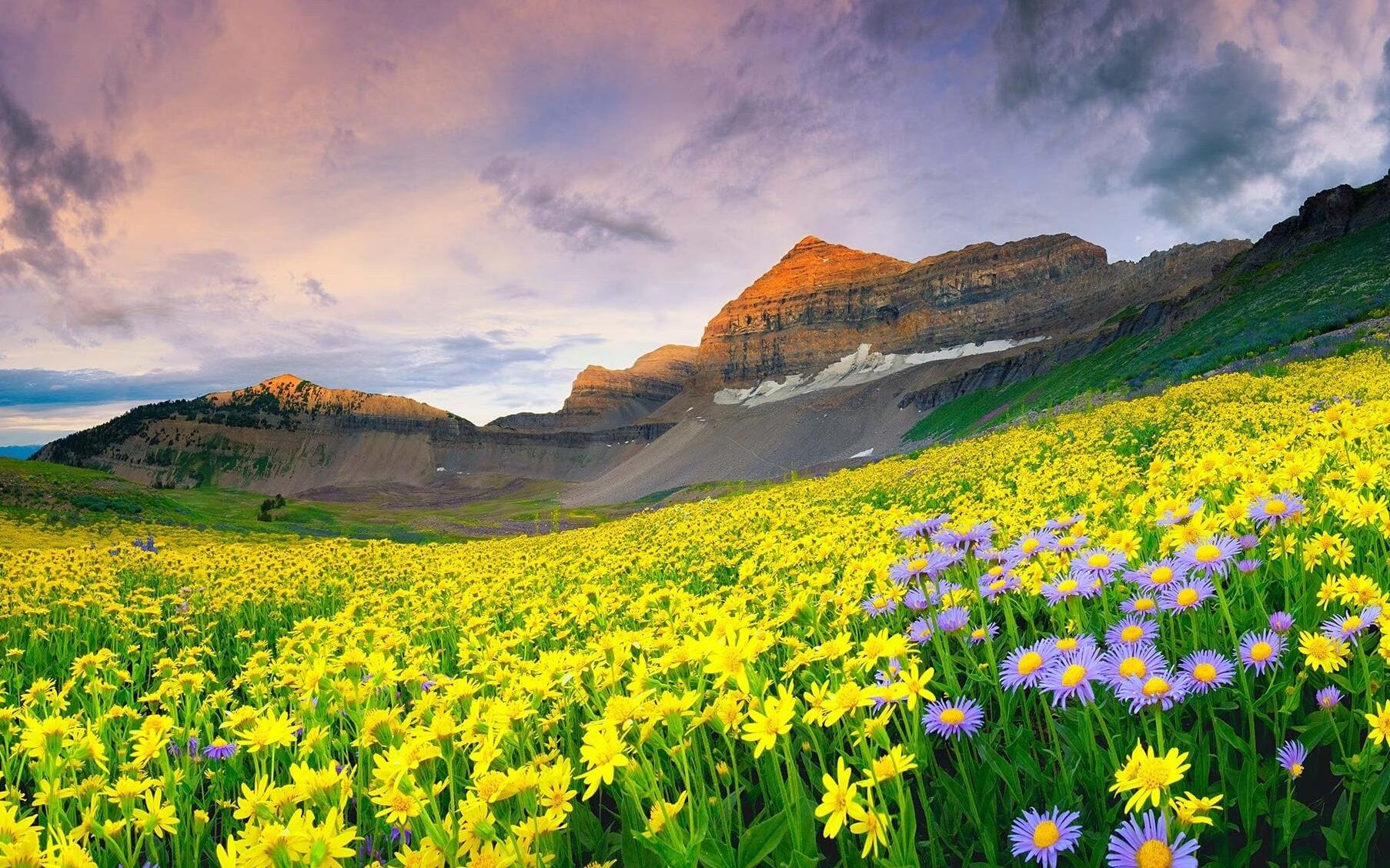
Nestled in the lap of the majestic Himalayas, the Valley of Flowers National Park is a breathtaking spectacle that unfolds like a painter’s masterpiece. This UNESCO World Heritage Site, located in the Chamoli and Pithoragarh districts of Uttarakhand, India, is not just a paradise for nature lovers, but also a treasure trove of cultural and historical significance.
History and Origins
The Valley of Flowers has a rich tapestry of history intertwined with local legends. According to folklore, the area was once the abode of the gods, where fairies danced among the blossoms. The park was established as a national park in 1982, but its significance dates back to ancient times. The valley was discovered by the British mountaineer Frank Smythe in 1931, who stumbled upon its breathtaking beauty while descending from the peaks of Kedarnath. Smythe’s detailed accounts and photographs brought global attention to this hidden gem, leading to its recognition as a national park.
The region is also steeped in mythological tales, often linked to the Ramayana and Mahabharata. It is believed that the valley is where Hanuman found the medicinal herb, Sanjeevani, to revive Lakshmana. These stories enrich the experience of visiting the valley, inviting one to connect with the past while surrounded by nature’s wonders.
Art and Architecture
While the Valley of Flowers itself may not boast traditional architectural marvels, it is a canvas of natural art. The vibrant hues of endemic alpine flowers, such as Meadow Geranium, Brahma Kamal, and Blue Poppy, create an ever-changing landscape that captivates photographers and artists alike. The surrounding Nanda Devi Mountain range adds a dramatic backdrop, further enhancing the valley's artistic significance.
Visitors can also find traditional Garhwali architecture in the nearby villages, characterized by stone and wooden homes. The use of local materials reflects a harmonious relationship with the environment, showcasing the artistry of the region's inhabitants.
Local Culture and Traditions
The culture surrounding the Valley of Flowers is as diverse as its flora. Garhwali communities, the indigenous people of the region, celebrate a rich tapestry of customs and traditions. Festivals such as Ganga Dussehra and Nanda Ashtami are celebrated with fervor, showcasing folk music, dance, and vibrant attire.
The local population holds deep reverence for nature, often offering prayers to the mountains and rivers. This spiritual connection is evident during their rituals and festivals, where they express gratitude for the bounties of the land.
Gastronomy
The culinary offerings of the region are as vibrant as the flowers that bloom in the valley. Traditional Garhwali cuisine is characterized by its use of locally sourced ingredients, such as mandua (finger millet), jhangora (barnyard millet), and a variety of lentils. A popular dish to try is aaloo ke gutke, which are spiced potatoes garnished with local herbs.
For those with a sweet tooth, gulgula (sweet fried dumplings) and puri served with kheer (rice pudding) are must-tries. Pairing these delicacies with the local brew of chaas (buttermilk) will give you an authentic taste of the region.
Lesser-Known Curiosities
One of the most captivating aspects of the Valley of Flowers is its biodiversity. Beyond its stunning flowers, the park is home to a variety of rare and endangered species, including the elusive snow leopard and the musk deer. Birdwatchers will delight in spotting the vibrant Himalayan monal, the state bird of Uttarakhand, known for its stunning plumage.
Additionally, the valley is renowned for the phenomenon of glacial lakes, formed from the melting snow. These lakes, often colored in shades of turquoise, offer serene spots for reflection and tranquility, away from the bustling trails.
Practical Visitor Information
The best time to visit the Valley of Flowers is during the monsoon season, from mid-July to early September, when the meadows burst into vibrant colors. The park is accessible via a trek starting from Joshimath, requiring a moderate level of fitness. Wearing sturdy trekking shoes and carrying sufficient water and snacks is advisable.
While exploring, don’t miss the chance to visit the nearby Ghangaria, the last human settlement before entering the park. It serves as a base for trekkers and offers simple accommodations and local eateries.
When you step into this enchanting valley, prepare to be transported to a world where nature reigns supreme, and every turn reveals a new marvel.
To make the most of your visit to this hidden paradise, consider using the Secret World app to craft a personalized itinerary that suits your adventure style.
