
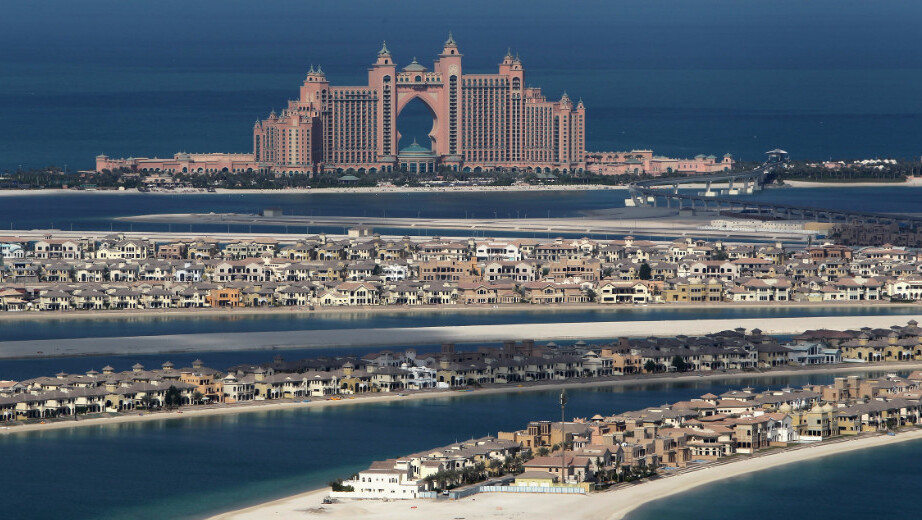

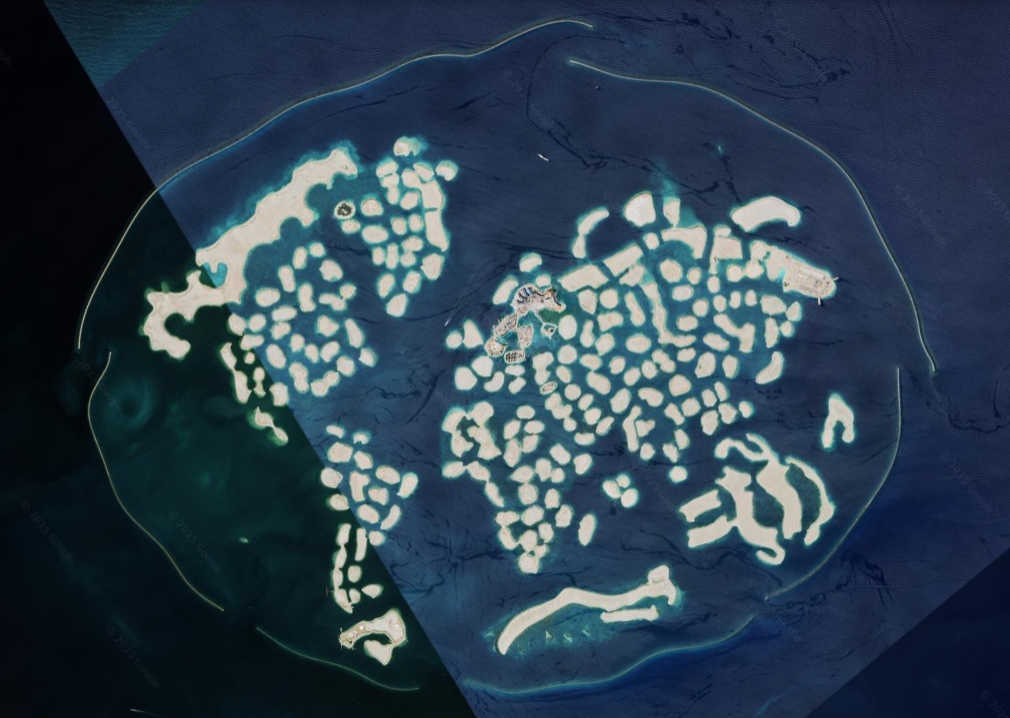
Just 4.0 kilometres off the coast of Dubai, an extraordinary vision comes to life in the form of The World, an artificial archipelago meticulously crafted to resemble a map of our planet. Conceived by Sheikh Mohammed bin Rashid Al Maktoum, the ruler of Dubai, the project began development in 2003, with the ambition to create a unique blend of luxury living and tourism. Although only a fraction of the 300 islands have been fully developed, the sheer scale and audacity of the project continue to capture the imagination of locals and visitors alike.
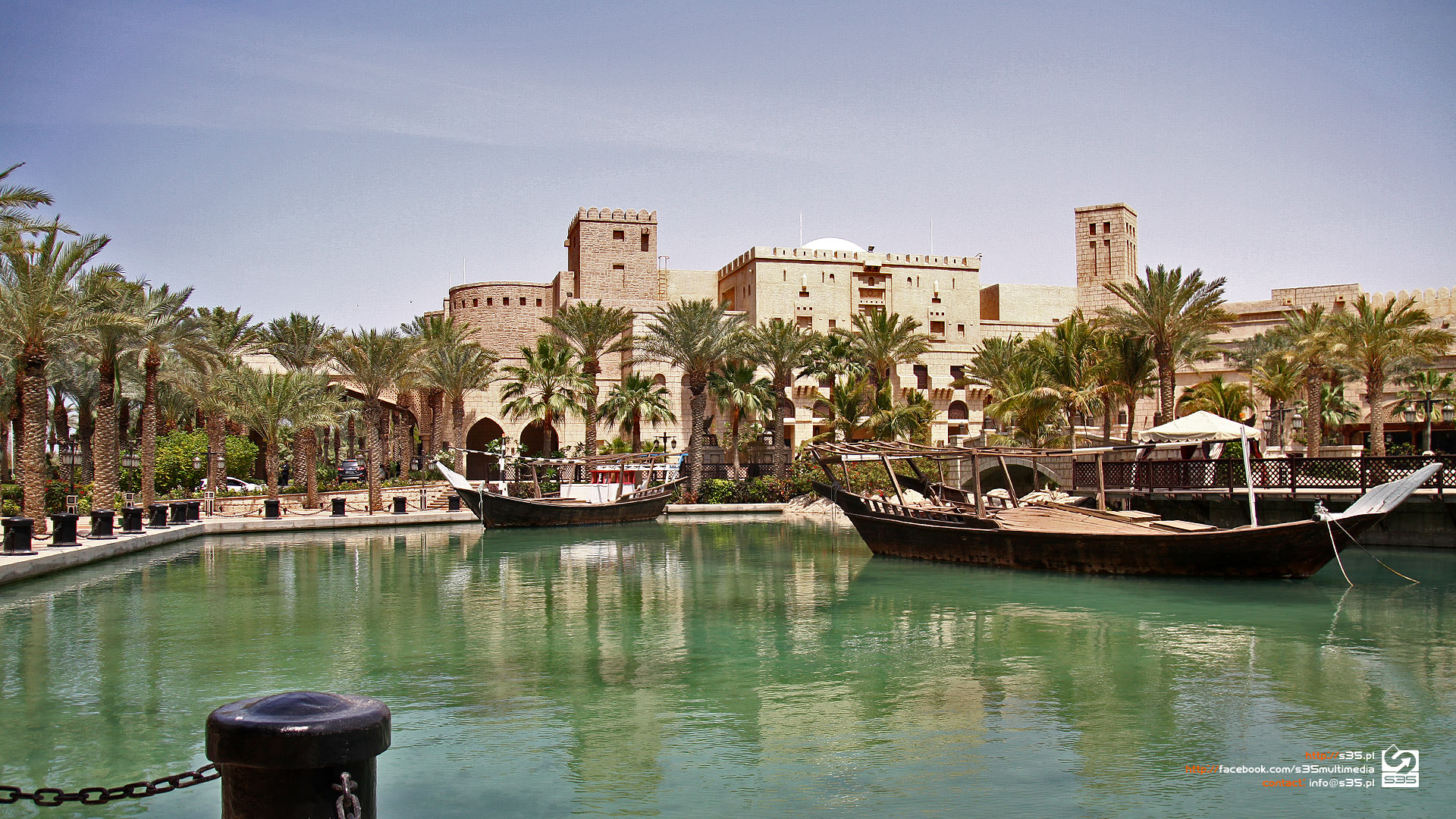
History and Origins The genesis of The World reflects Dubai's ambition to redefine what is possible in urban development. While the islands are a modern creation, the region's history dates back thousands of years, serving as a hub for trade and commerce. Sheikh Mohammed envisioned The World as a symbol of Dubai's commitment to innovation and luxury. The development was initially expected to provide a unique residential and tourist experience but faced challenges such as financial crises and environmental concerns, which have slowed progress.
Art and Architecture Each of the 300 islands is designed to represent different countries, and while many remain undeveloped, the islands that have been completed showcase stunning architectural styles inspired by the cultures they represent. Notable among them is Sweden, featuring properties designed by renowned architect Mikael Genberg, and Italy, known for its elegant villas. The artistic significance of The World lies not only in its architectural endeavor but also in its ambition to create a living artwork that reflects global diversity.
Local Culture and Traditions Although The World is a relatively new addition to Dubai, it is steeped in local culture and traditions. The islands are often associated with Emirati hospitality, and while visiting, you may encounter local customs such as Majlis gatherings, where people come together to share stories, tea, and traditional dishes. Festivals like Eid Al Fitr and Dubai Shopping Festival bring vibrancy to the area, showcasing the rich cultural tapestry of the Emirate.
Gastronomy The culinary scene around The World is a melting pot of flavors, reflecting the diverse backgrounds of its inhabitants. Visitors can savor traditional Emirati dishes like Al Harees or Mandi, a fragrant rice dish, often accompanied by lamb or chicken. For a more international flair, many restaurants draw inspiration from the countries represented by the islands, offering Italian pasta or Swedish seafood. Don’t miss out on trying Karak tea, a spiced tea that has become a local favorite, adding warmth to any culinary journey.
Lesser-Known Curiosities While many tourists flock to the more famous attractions, The World holds hidden treasures. Rumors abound that some islands are privately owned by celebrities and wealthy investors, sparking curiosity and intrigue. Additionally, the islands are designed to be eco-friendly, with plans for sustainable living that incorporate renewable energy sources. The unique shape of the archipelago creates microclimates, enhancing biodiversity and attracting various marine life, making it a fascinating spot for eco-tourists and marine enthusiasts.
Practical Visitor Information The best time to visit Dubai and The World is during the cooler months, from November to March, when temperatures are more bearable for outdoor activities. For those looking to experience the islands from above, a helicopter tour is a breathtaking option, offering stunning views of the archipelago's design. Be sure to bring a camera; the aerial perspective reveals the intricate layout of the islands, often astonishing to those viewing it for the first time. Also, plan your visit around local events or festivals for a more immersive experience.
As you explore the wonders of The World, consider using the Secret World app to craft a personalized itinerary that maximizes your time in Dubai.


