



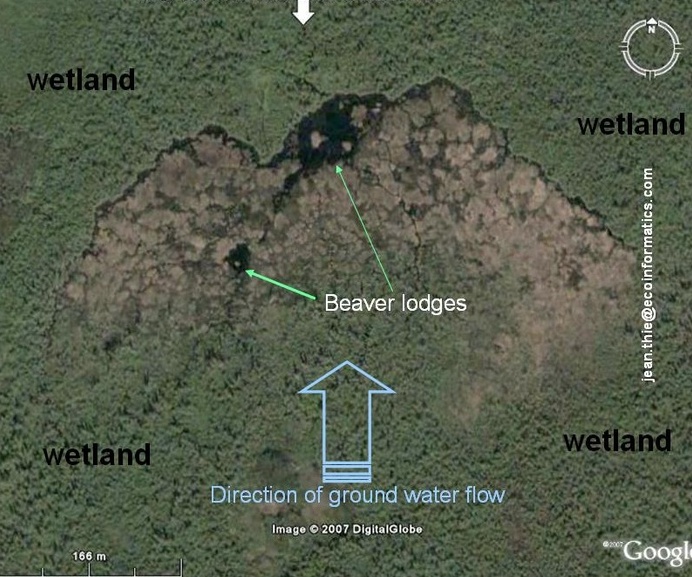
Nestled deep within the vast wilderness of Canada, the World's Largest Beaver Dam stretches an astonishing 2,790 feet, making it a remarkable natural wonder that captures the imagination. Discovered through satellite imagery, this beaver engineering feat is located at coordinates 58.9238544, -112.8542013, and is twice the length of the Hoover Dam. But the significance of this dam goes beyond its sheer size; it is a testament to the remarkable abilities of beavers, often referred to as nature's engineers.
### History and Origins The beaver's relationship with the Canadian landscape is centuries deep. Indigenous peoples, such as the Cree and Métis, have long revered the beaver not only for its ecological role but also for its importance in trade and culture. During the 17th century, the fur trade, driven by European demand for beaver pelts, transformed the Canadian economy and significantly impacted indigenous ways of life. While the beaver dam itself was only discovered in recent years, the beaver's historical significance in this region is profound, tied intricately to both nature and human history.
### Art and Architecture While the beaver dam might not fit traditional definitions of architecture, it embodies a unique form of natural engineering. Constructed from branches, mud, and stones, the beaver dam showcases the animal's instinctive ability to manipulate its environment for survival. This impressive structure not only serves as a home for beavers but also creates a diverse ecosystem that fosters wildlife and plant life. The artistic significance lies in how this natural creation highlights the beaver's role in maintaining ecological balance.
### Local Culture and Traditions The beaver holds a special place in Canadian culture, symbolizing resilience and industriousness. Local customs often celebrate this furry architect through festivals and events. For instance, Beaver Day, typically celebrated in late April, serves as a reminder of the historical and ecological importance of beavers in Canada. Communities often engage in educational activities, highlighting the role of beavers in promoting biodiversity and environmental health.
### Gastronomy Though one might not think of beavers when it comes to gastronomy, the regions surrounding the largest beaver dam boast a rich array of local foods. Wild game, such as venison and bison, is prevalent, alongside freshwater fish from nearby rivers and lakes. The culinary culture includes traditional dishes like bannock, a type of flatbread that Indigenous peoples have made for generations. Pair your meal with a locally brewed craft beer, often inspired by the natural surroundings.
### Lesser-known Curiosities While many are aware of the beaver's impressive engineering skills, few know that beavers can hold their breath underwater for up to 15 minutes while working on their dams. Additionally, their strong teeth never stop growing, which is why they constantly gnaw on wood to keep them trimmed. The dam itself not only provides shelter for beavers but also creates ponds that serve as habitats for various wildlife, including fish, amphibians, and birds.
### Practical Visitor Information To truly appreciate the World's Largest Beaver Dam, consider visiting during the summer months (June to August), when the weather is pleasant and wildlife is abundant. It’s essential to plan your visit carefully since the dam is located in a remote area. Bring binoculars for wildlife watching and a good camera to capture the breathtaking scenery. Keep an eye out for the beavers at work during the twilight hours, as these nocturnal creatures are most active at night.
As you explore this natural wonder, take a moment to reflect on the intricate web of life that the beaver dam supports. The experience is a reminder of the delicate balance of ecosystems and the role each creature plays within it.
For a personalized itinerary to explore this fascinating area, consider using the Secret World app to plan your adventure.
