


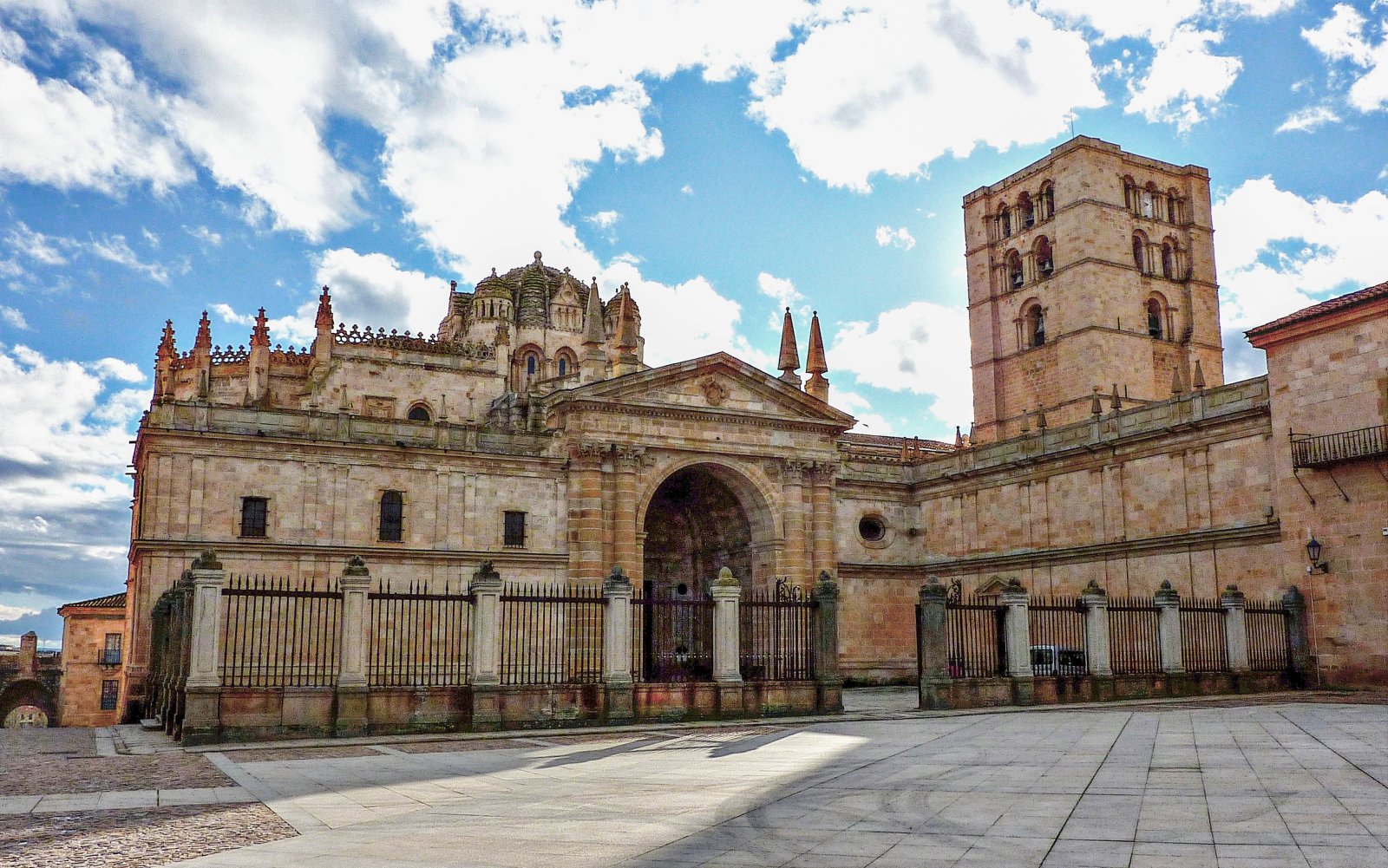
Perched majestically atop the Old Town of Zamora, the Zamora Cathedral is a stunning testament to Spain's rich Romanesque heritage. Constructed between 1151 and 1174, this architectural marvel stands as a guardian of history, enveloped by the ancient defense walls and gates that once protected the city.
History and Origins
The cathedral's roots intertwine with the Reconquista, a pivotal period when Christian forces were reclaiming Iberian territories from Muslim rule. Founded under the reign of Alfonso VII, the cathedral not only served as a religious center but also as a symbol of Christian dominance and cultural revival. Throughout its history, Zamora Cathedral has witnessed numerous events, including the turbulent War of the Castilian Succession, leaving an indelible mark on its walls and spirit.
Art and Architecture
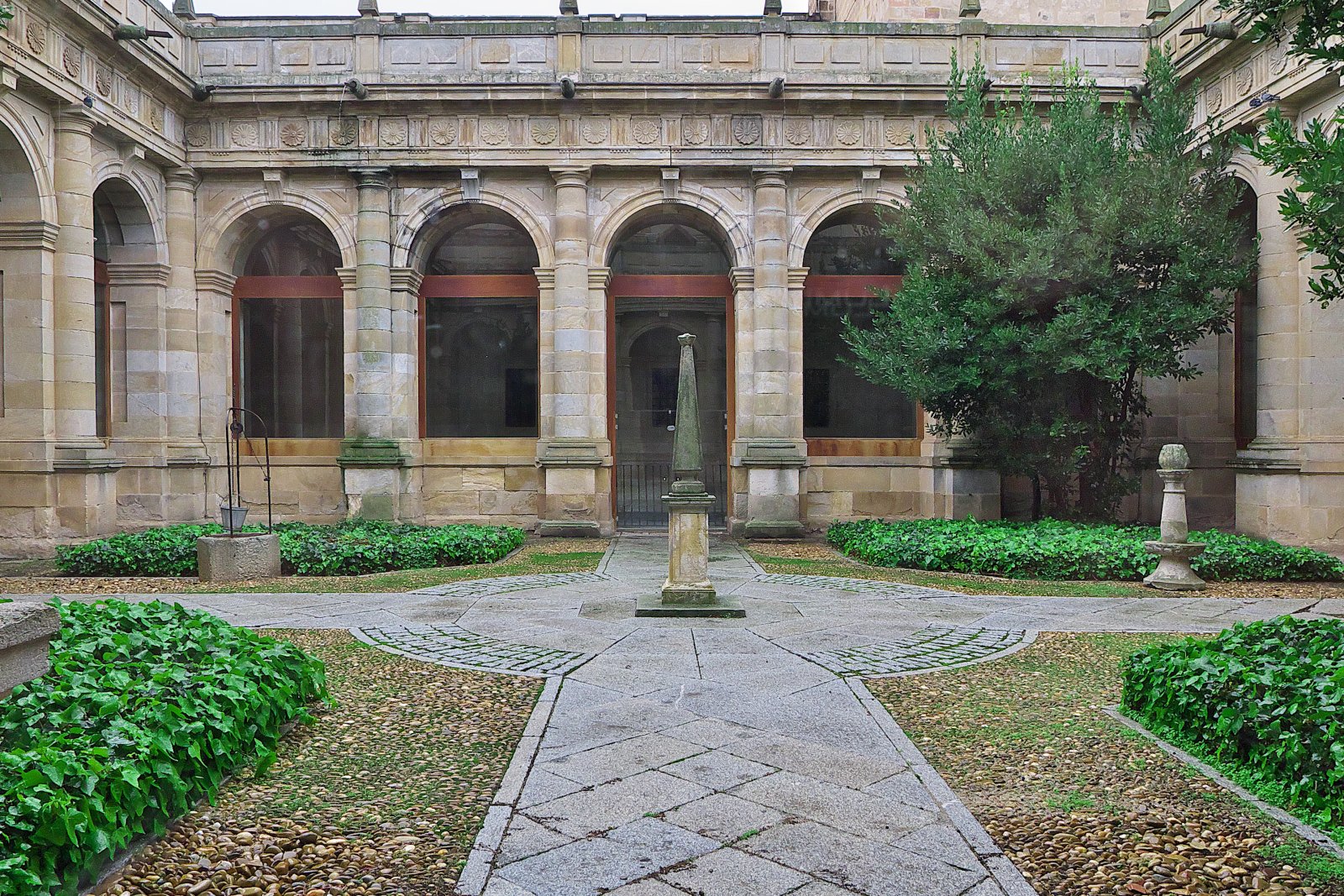
A striking example of Romanesque architecture, the cathedral's design boasts a unique blend of styles. Its dome, visible from afar, is a masterpiece of architectural innovation with influences from Byzantine and Islamic art. Inside, the choir stalls crafted by Rodrigo Alemán in 1480 are a sight to behold. Intricately carved figures of saints, philosophers, and vibrant scenes of rural life tell stories of faith and everyday experiences. The Capilla Mayor houses a resplendent marble retablo, while the high altar is flanked by two exquisite Mudéjar pulpits, showcasing the harmonious blend of Christian and Islamic artistic traditions.
Local Culture and Traditions
Zamora is a city deeply rooted in tradition, where Holy Week takes center stage. This celebration, declared of International Tourist Interest, fills the streets with solemn processions and fervent devotion. The cathedral plays a crucial role during these festivities, serving as a backdrop for the procession of ancient religious brotherhoods, whose origins date back centuries.
Gastronomy
No visit to Zamora is complete without indulging in its culinary delights. The region is famed for its Queso Zamorano, a rich sheep's milk cheese, and Toro wines, which complement the robust flavors of local dishes. Traditional meals often feature lechazo asado (roast lamb) and bacalao a la tranca (cod with paprika and garlic), offering a taste of Zamora's gastronomic heritage.
Lesser-Known Curiosities
Beyond its grand façade, the cathedral harbors secrets that many visitors overlook. A lesser-known fact is the presence of a hidden crypt, rumored to house relics of saints and historical artifacts. Additionally, the cathedral's bell tower offers breathtaking views of the Duero River and the surrounding landscape, a hidden gem for those willing to climb its ancient steps.
Practical Visitor Information
The best time to visit Zamora Cathedral is during spring when the weather is mild, and the city comes alive with festivals. Early mornings offer a tranquil atmosphere for exploration, while evenings are perfect for catching the golden hues of sunset reflecting off the cathedral's stone walls. Look out for the intricate stonework on the exterior and the mesmerizing play of light within, providing a serene backdrop for reflection and photography.
Plan your visit to the Zamora Cathedral and discover its hidden stories with a personalized itinerary using the Secret World app.


