
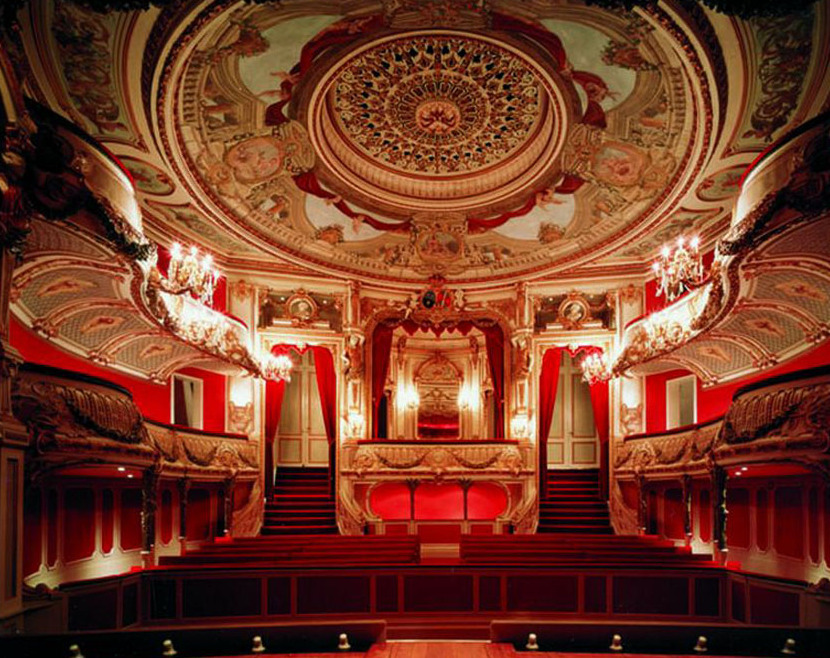

In the heart of Chimay, Belgium, the Theatre of Chimay stands as a testament to the region’s rich history and cultural heritage. This charming theatre, with its elegant architecture and vibrant local traditions, offers visitors a glimpse into a bygone era, intertwined with the legacy of the Princes of Chimay.
The origins of Chimay can be traced back to the Lords of Chimay, who ruled the area since 1241. In 1482, they were elevated to princely status, marking a significant transition in the region’s governance. The original Chimay Castle, a stronghold that once dominated the landscape, suffered extensive damage from a fire in 1935. However, the theatre, which was part of a newly constructed building in the style of Henri IV, persevered through the flames.
Commissioned in 1861 by Joseph II, the 16th Prince of Chimay, the theatre was envisioned as a cultural hub for the burgeoning Kingdom of Belgium. Prince Joseph, a notable figure who served as the ambassador to Belgium and mayor of Chimay, played a pivotal role in fostering the arts in his region. He invited Trappist monks to establish the renowned Scourmont Abbey, further enriching Chimay’s cultural landscape.
The theatre’s design was entrusted to Charles-Antoine Cambon (1802–1875), a French architect and stage designer known for his innovative works. He was inspired by the plans of the original theatre in Fontainebleau, which had burned down in 1856. Cambon’s vision for Chimay’s theatre resulted in a stunning creation, blending French neoclassicism with local charm. The theatre, inaugurated in 1863, accommodates 200 spectators and has since become a cherished venue for concerts and theatrical performances. Its intimate setting allows for a unique connection between the performers and the audience, making each event feel special.
The architecture of the Theatre of Chimay is a captivating blend of elegance and functionality. Its ornate facade and thoughtfully designed interiors reflect the artistic sensibilities of the 19th century. The theatre is adorned with intricate moldings, plush seating, and a beautifully painted ceiling that enhances the overall aesthetic experience. Visitors can appreciate not only the theatre's beauty but also its significance as a cultural landmark in Belgium.
Chimay is not just about its architectural beauty; it is a vibrant hub of local culture and traditions. The town hosts various events throughout the year, including the Chimay Beer Festival, which celebrates the region's famous Trappist beers. The monks of Scourmont Abbey have been brewing since 1862, and their beers, particularly Chimay Blue, have gained international acclaim. Festivals often feature local music, dance, and cuisine, allowing visitors to immerse themselves in the rich tapestry of Chimay's cultural heritage.
Local gastronomy is a delightful exploration of flavors, deeply rooted in the traditions of the region. Visitors to Chimay can indulge in locally-produced cheeses, especially the famed Chimay cheese, which is often paired with its signature beers. Traditional dishes include hearty stews and game meats, reflecting the region’s agricultural bounty. Don’t miss the chance to sample some Walloon specialties, like boulets à la Liégeoise (Liège meatballs) or tarte au sucre (sugar pie), which are often enjoyed during festive occasions.
Among the lesser-known curiosities surrounding the Theatre of Chimay are the stories of notable performances that have graced its stage. Over the years, the theatre has hosted a variety of artists, from local talents to those from far afield. The intimate nature of the venue has led to memorable performances that often transcend mere entertainment; they foster a sense of community and shared experience among attendees.
Moreover, the theatre's acoustic design, although modest in size, is remarkably effective, making it a hidden gem for musicians. Many local musicians regard it as a rite of passage to perform here, adding to the theatre’s allure.
For visitors planning a trip to Chimay, the best time to visit is during the warmer months, from late spring to early autumn, when local festivals are in full swing. It's advisable to check the theatre’s schedule ahead of time, as performances can vary. Additionally, taking the time to explore the surrounding countryside, with its lush landscapes and scenic views, can enhance the overall experience.
When visiting the Theatre of Chimay, look for the small but significant details that speak to its history—like the original stage mechanism and the beautifully preserved seating. Each element reflects the dedication to artistic expression that has flourished in this vibrant community.
To fully appreciate the multifaceted experience that Chimay has to offer, consider using the Secret World app to create a personalized itinerary that guides you through its history, culture, and culinary delights.


