


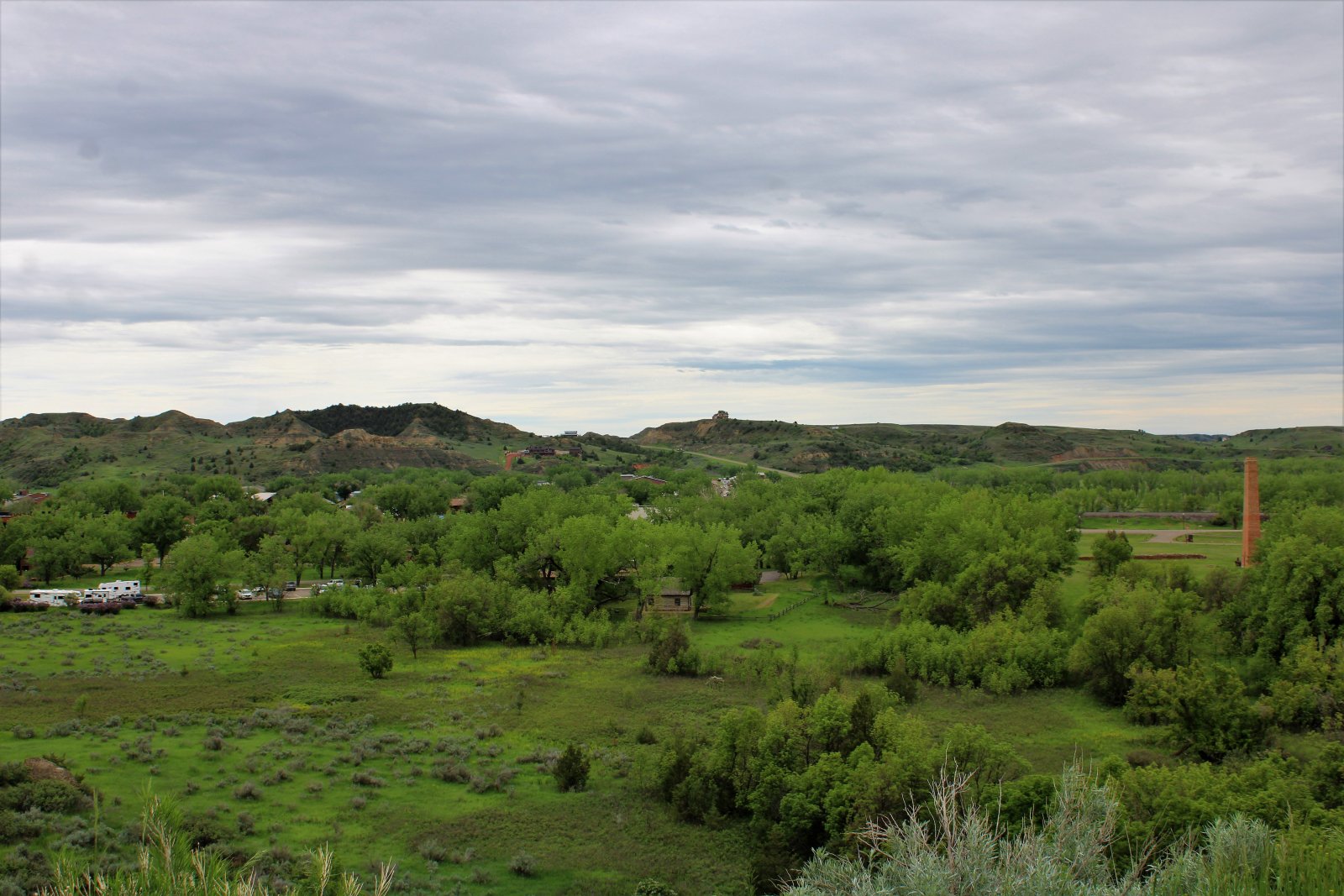
In the heart of North Dakota lies Theodore Roosevelt National Park, a breathtaking expanse of rugged beauty and vibrant history that echoes the spirit of the American West. This extraordinary landscape, defined by its badlands, offers an immersive experience for those seeking natural wonders, rich culture, and a glimpse into the past.

History and Origins
The roots of this remarkable park stretch back thousands of years. The land has been inhabited by Indigenous peoples, including the Mandan, Hidatsa, and Arikara tribes, who revered the area for its spiritual significance and natural bounty. They believed the striking buttes and rugged formations were the homes of animal spirits, central to their vision quests and rituals.
The park's modern history began when a young Theodore Roosevelt arrived in North Dakota in 1883, captivated by the stark beauty of the landscape while hunting bison. He invested in cattle ranches and developed a deep commitment to conservation, influenced by the region's wild charm. Upon becoming president in 1901, Roosevelt established a legacy of environmental stewardship, protecting an astounding 230 million acres of public land. On April 25, 1947, President Harry S. Truman designated the area as Theodore Roosevelt National Memorial Park, later gaining national park status in 1978, ensuring that Roosevelt's vision for conservation would endure.
Art and Architecture
The park is not only a natural wonder but also a canvas for artistic expression. Visitors can find striking geological formations that have inspired countless artists and photographers. The Badlands Loop Road offers scenic vistas that change dramatically with the light, attracting those with a passion for capturing the essence of the landscape.
While the park itself does not boast traditional architecture, the nearby Medora, a historic town founded in the 1880s, features charming buildings that reflect the area's pioneer past. The Bully Pulpit Golf Course, designed to harmonize with its surroundings, offers a unique blend of nature and recreation, showcasing how architecture can enhance rather than detract from the natural beauty.
Local Culture and Traditions
The culture surrounding Theodore Roosevelt National Park is deeply rooted in its history. Medora hosts several events that celebrate the heritage of the region. The annual Medora Musical, which has been entertaining visitors since 1965, showcases local talent and tells the story of Roosevelt's connection to the area through song and dance.
Additionally, local customs often involve storytelling and sharing legends passed down through generations, reflecting the values and traditions of Indigenous peoples and early settlers alike. Visitors can engage with these traditions through ranger-led programs and local festivals that celebrate the unique identity of the region.
Gastronomy
When it comes to gastronomy, North Dakota offers a taste of the frontier. Local dishes often feature ingredients that reflect the area's agricultural heritage. Bison burgers are a must-try, honoring the animal that once roamed the plains in vast herds and played a vital role in the lives of the Indigenous peoples.
In Medora, visitors can savor chokecherry jelly, made from a tart fruit native to the region, often served with homemade bread. Pair these delights with a locally brewed craft beer or a glass of North Dakota wine, made from grapes grown in the state's burgeoning vineyards, for a true taste of the Badlands.
Lesser-Known Curiosities
For those looking to delve deeper into the park's secrets, several lesser-known curiosities await. One intriguing fact is that the park is home to the largest concentration of free-roaming bison in the United States, offering an unparalleled opportunity to observe these majestic animals in their natural habitat.
Additionally, the park's unique geology includes fossilized remains from prehistoric creatures, including dinosaurs. The South Unit of the park features the Elkhorn Ranch, Roosevelt's former retreat, where he found solace and inspiration while immersed in the wilderness. Visit the site to see the ruins and reflect on the life he led there, away from the pressures of the presidency.
Practical Visitor Information
The best time to visit Theodore Roosevelt National Park is during the spring and fall months, when temperatures are mild and the landscapes are alive with color. Summer can be hot, while winter transforms the park into a serene, snow-covered wonderland.
To make the most of your visit, consider hiking the Caprock Coulee Trail for stunning views of the landscape and opportunities to spot wildlife. Don’t forget to bring binoculars for birdwatching, as the park is home to over 200 species of birds, including the magnificent bald eagle.
Be sure to pack plenty of water and snacks, as amenities within the park are limited. Lastly, for a unique experience, look into participating in ranger-led programs, which provide insight into the park's ecology, history, and cultural significance.
As you plan your journey into this captivating landscape, consider using the Secret World app to craft a personalized itinerary that ensures you experience the best of Theodore Roosevelt National Park.
