
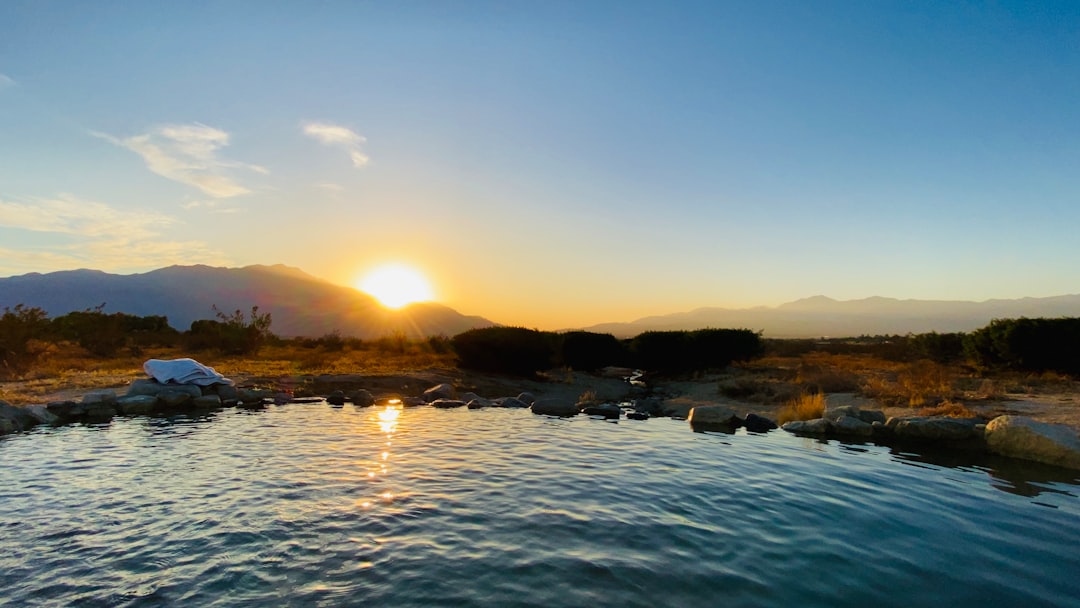

The water is warm even when the sea seems cold. In Therma, a small village on the northern coast of the island of Ikaria, natural hot springs emerge directly among the coastal rocks and mix with the waters of the Aegean, creating warm pools where one can immerse themselves while looking at the Greek horizon. It is not an equipped spa nor a modern resort: it is a geological phenomenon that the island's inhabitants have used for centuries, with the same simplicity as going to the sea.
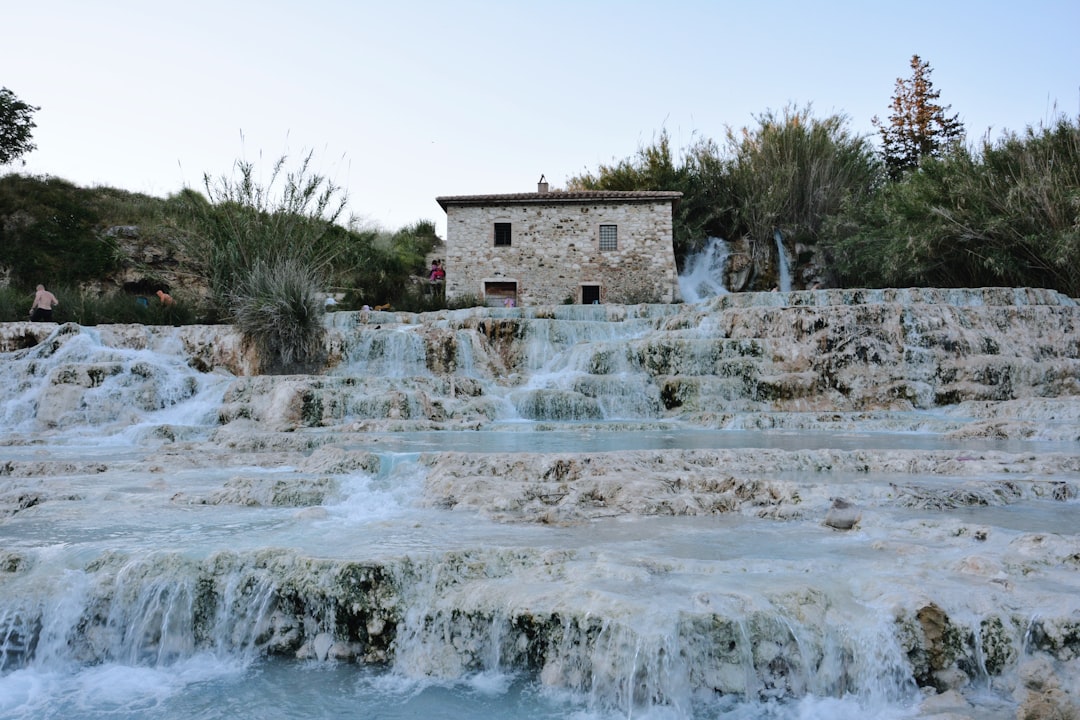
Ikaria is known for being one of the so-called Blue Zones, areas of the world where the population statistically lives longer than the global average. The hot springs of Therma are part of this local story: elderly residents who immerse themselves in the coastal pools early in the morning are a common sight, not a tourist performance. The water from the springs contains radon and other radioactive minerals in concentrations considered therapeutic by traditional spa medicine, and that is why the area has attracted visitors with rheumatic and joint problems for generations.
The radioactive springs: what they are and how they work
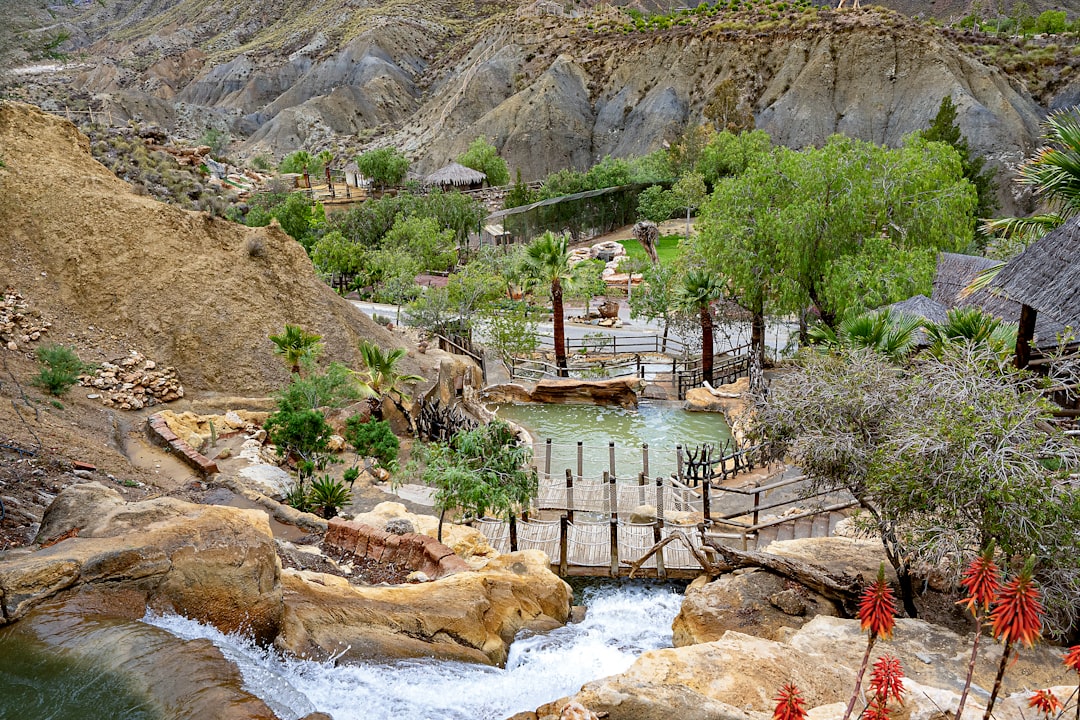
The waters of Therma belong to the category of radon-based radioactive waters, with temperatures typically ranging between 33 and 55 degrees Celsius depending on the source and the season. Radon is a radioactive noble gas that dissolves in water as it passes through the granite rocks of the Ikariotian underground. In small doses, like those found in natural hot springs, it has traditionally been associated with benefits for musculoskeletal disorders and arthritis, although modern scientific research advises moderation in prolonged immersions.
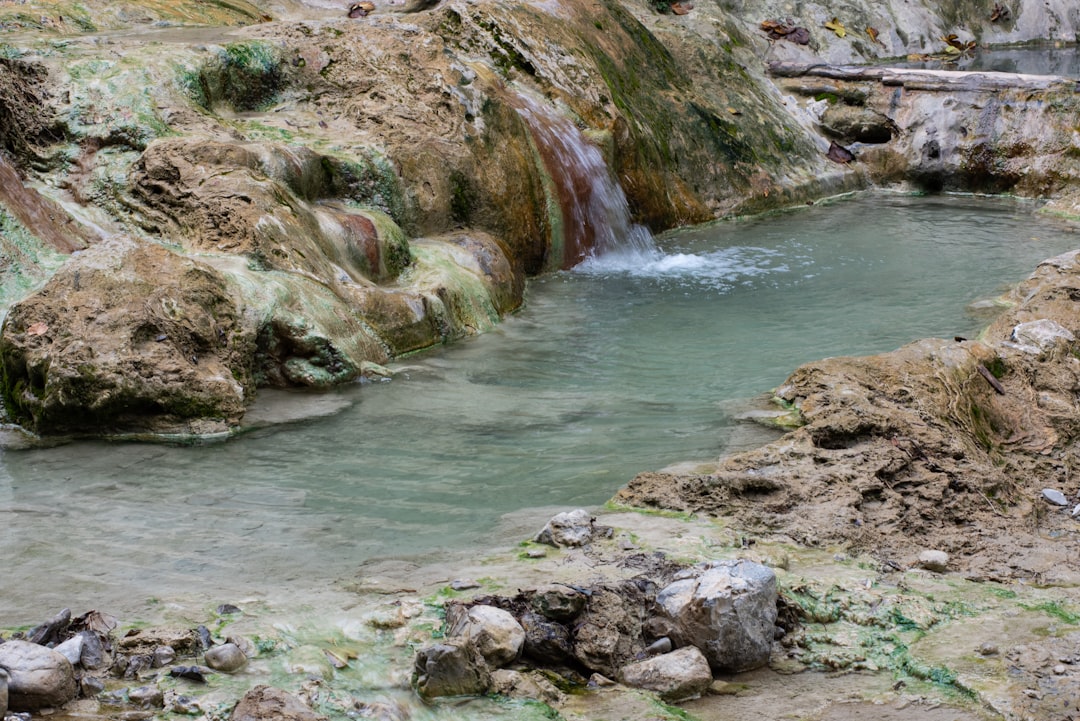
What is immediately noticeable upon arriving in Therma is the small stone bathing structures built directly on the shore, some managed by local public entities, others little more than natural enclosures among the rocks. A faint sulfurous smell is noticeable as one approaches the water. In some areas, where the spring is more concentrated, the seabed appears a reddish-orange color due to mineral deposits. It is one of the most reliable visual indicators to understand where the thermal water is most present.
The bathing experience between rocks and open sea
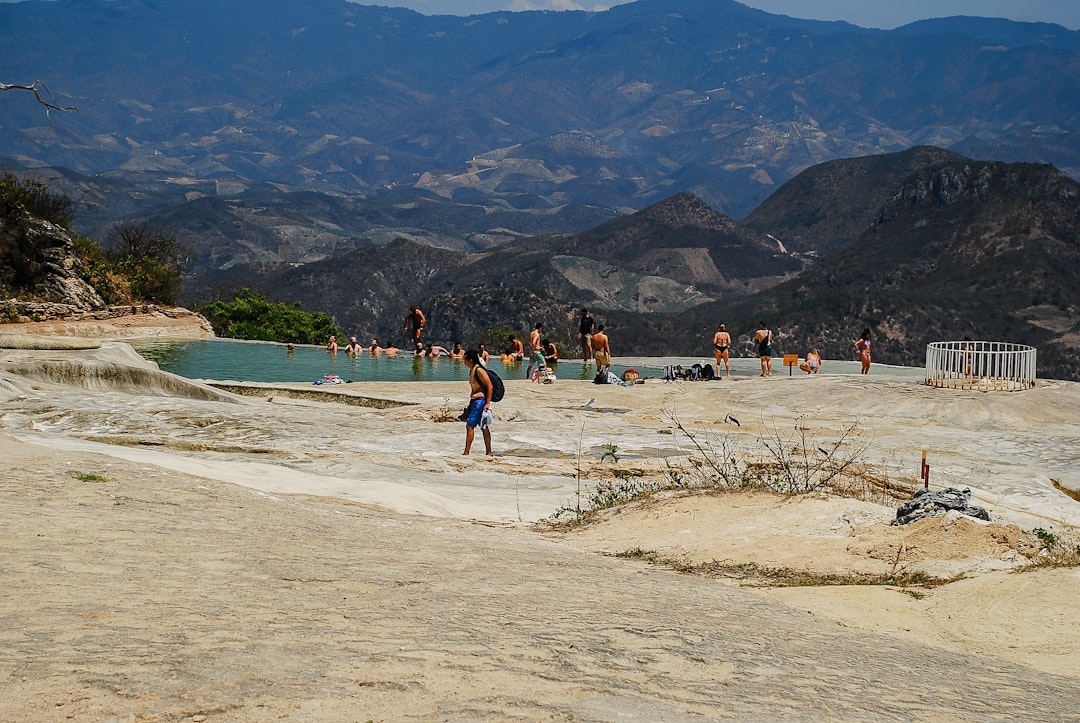
The most singular characteristic of Therma is the coexistence of thermal water and seawater. In the natural pools among the rocks, the temperature varies depending on where you are: approaching the spring, the water is decidedly warm, while moving towards the open sea, it gradually cools down. This creates an effect of natural thermal contrast that local bathers instinctively take advantage of, moving from the warm water to the cooler water in just a few steps.
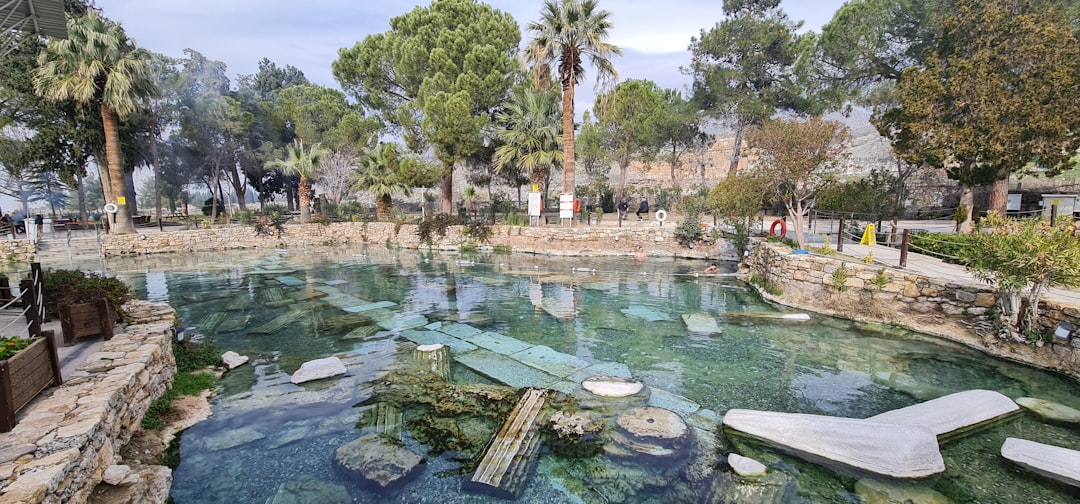
Some bathing facilities in the area offer covered pools with direct access to the channelled thermal water, with modest entrance fees — generally in the order of a few euros — which vary depending on the facility and the season. The outdoor pools and the pools among the rocks are instead freely accessible. The village of Therma is small, with a few cafes and restaurants along the main road that descends towards the sea, and the atmosphere remains that of a place frequented mainly by locals or by tourists who return every year.
History and thermal tradition of the island
The use of the thermal waters of Ikaria has been documented since at least classical antiquity. The very name of the village, Therma, derives directly from the Greek θερμά, meaning hot waters, a designation that leaves no doubt about the historical function of the place. Throughout the twentieth century, the Therma baths became a destination for organized thermal medicine, with healthcare facilities welcoming patients from all over Greece for treatments lasting several weeks. This medical tradition has left traces in the architecture of the village, with buildings from the fifties and sixties resembling more of a small continental spa than a typical Aegean village.
Today, that organized healthcare facility has been somewhat scaled back, but the habit of thermal bathing remains deeply rooted in the daily life of the island. Talking to the elderly residents of Therma often means hearing stories of grandparents treated for arthritis in the same pools where people immerse themselves today.
Practical tips for visiting Therma
The best time to visit the natural pools is early in the morning, before the summer heat arrives and when the thermal water is more noticeable compared to the air temperature. In summer, with the sun high, the contrast between warm water and warm air is less evident. Therma is easily reached from the main port of Agios Kirykos, which is a few kilometers away and connected by a coastal road that can be traveled by car or taxi in less than ten minutes.
It is advisable to limit prolonged immersions in the more concentrated pools, especially on the first visits: Greek health authorities recommend sessions no longer than fifteen or twenty minutes in waters with higher concentrations of radon. Wearing sandals with a sturdy sole is useful for walking on the rocks around the natural pools. The island of Ikaria can be reached by ferry from Piraeus, with crossings that take about eight hours, or by seasonal flights from Athens to the small local airport.


