


The water is lukewarm, almost surprisingly warm, while around you stretches one of the most spectacular volcanic bays on the planet. Deception Island, in the South Shetland Islands of Antarctica, is one of the rare places in the world where it is possible to bathe in geothermally heated waters just steps away from glaciers and penguins. The inner bay, called Port Foster, is located within an active volcanic caldera: the island is shaped like a horseshoe, with a narrow natural entrance known as Neptune's Bellows, just 230 meters wide, through which ships must carefully pass to enter.
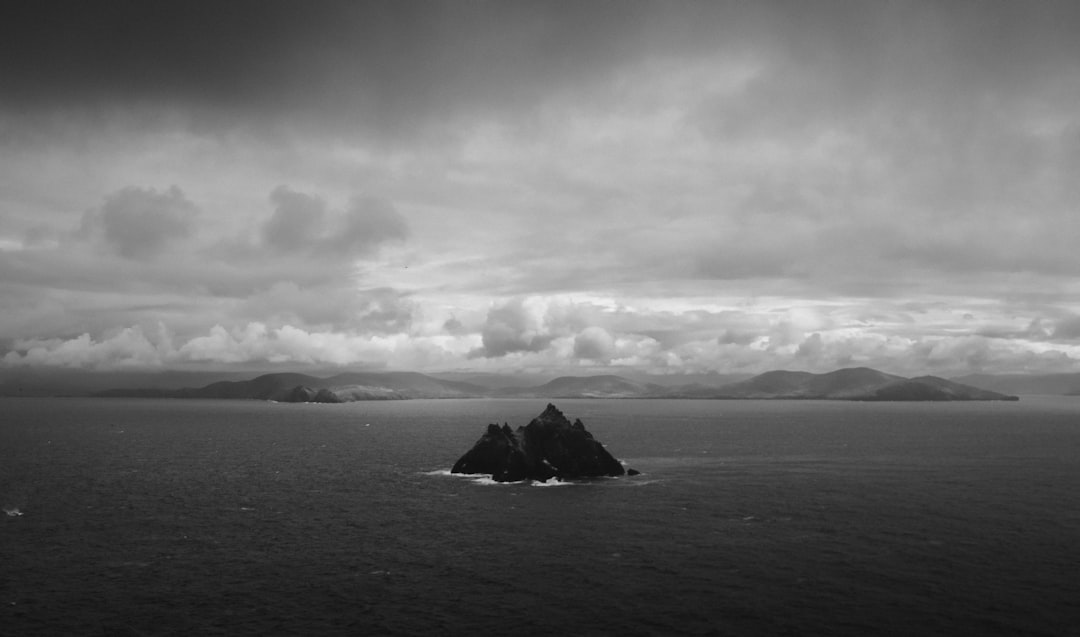
The island has a rich history: it was used as a base for whaling in the early 1900s, and the remains of the Hektor Whaling Station, operational between 1912 and 1931, are still visible on the beach of Whalers Bay. Rusty tanks, abandoned sheds, and whale oil tanks stand out against the gray-black volcanic landscape, creating a powerful visual contrast with the snow and lead-colored sea.
The thermal springs of Pendulum Cove and Whalers Bay

The two most famous areas for geothermal bathing are Pendulum Cove and Whalers Bay. At Whalers Bay, by digging slightly into the dark volcanic sand of the shore, the water that surfaces can reach temperatures between 10°C and 70°C depending on the spot and the current volcanic activity. Visitors create small natural pools by mixing the hot water with the cold seawater to find a tolerable temperature, usually around 30-35°C. These are not equipped facilities: no tubs, no services, just volcanic sand and geothermal water.
At Pendulum Cove, the situation is similar: the beach is made up of dark sand and volcanic ash, and the color contrast with the white glaciers on the heights of the island is immediate and striking. Bathing here, even for just a few minutes, is a physically unusual experience: the air is frigid, often below freezing, while the water near the shore is lukewarm. Many tourists describe the sensation as positively disorienting.

The volcanic landscape and local wildlife
Deception Island is an active volcano: the last significant eruptions occurred in 1967, 1969, and 1970, when they partially destroyed the Chilean and British scientific bases present on the island. Today, some damaged structures are still visible, particularly the remains of the Pedro Aguirre Cerda Scientific Base from Chile, overwhelmed by the lava flow of 1967. Walking among these collapsed and snow-covered buildings conveys a tangible sense of the geological force of the place.
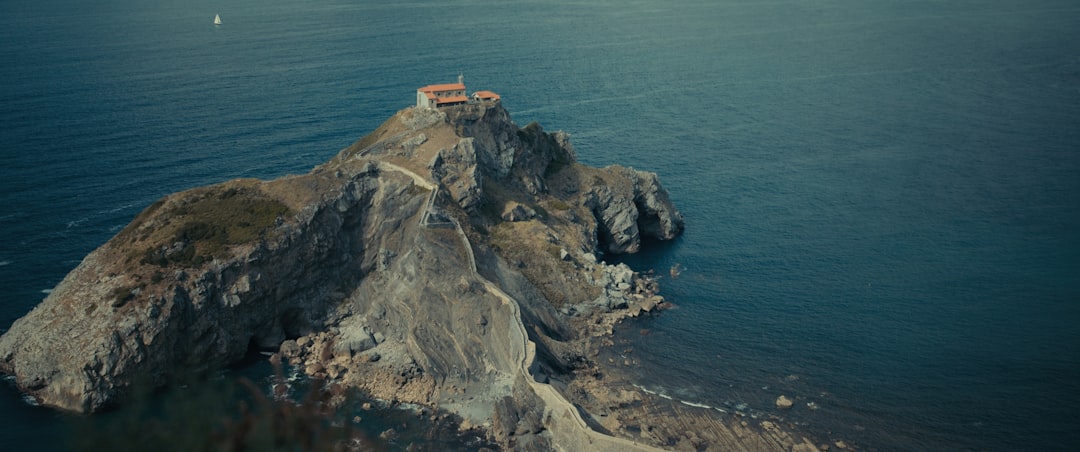
The wildlife is an integral part of the experience: colonies of black-browed albatrosses (Pygoscelis antarcticus) nest on the island, and it is not uncommon to encounter them while walking towards the beach. Weddell seals and elephant seals rest on the shore with little interest in visitors. The most common birds are petrels and skuas, which constantly soar over the bay.
How to get there and practical advice
Deception Island is reachable exclusively by ship, typically departing from Ushuaia, Argentina, with a crossing of the Drake Passage lasting about 48 hours. Antarctic cruises that include a stop on the island generally last between 10 and 14 days. Prices for this type of cruise vary considerably, but the cheapest options start at around 4,000-5,000 euros per person for the austral season, which runs from November to March.
The time available on the island is usually limited to 2-4 hours, depending on weather conditions and the ship's schedule. Visits take place via rigid inflatable boats (Zodiac) that take passengers ashore. It is essential to bring waterproof shoes and a change of dry clothes if you intend to swim: the volcanic sand sticks to everything and the cold outside the water is immediate. The best time to visit is December-January, when daylight hours are at their maximum and weather conditions are relatively more stable. There are no accommodation facilities on the island: everything takes place as an excursion from the ship.
The therapeutic experience in an extreme context
Defining the experience of Deception Island as therapeutic requires honesty: it is neither a spa nor a wellness center. The value lies in the total absence of mediation between the body and the environment. The warm water filtering through the volcanic crust, the black sand underfoot, the silence interrupted only by the wind and the penguins create a condition of physical presence that is difficult to replicate elsewhere.
Those seeking a thermal bath in the classical sense will find Deception Island disappointing. However, those willing to accept a raw experience, devoid of comfort but authentic, will take home something that is hard to describe: the concrete feeling of being in a place where geology is still in progress, where the planet has not yet finished shaping the landscape.


