
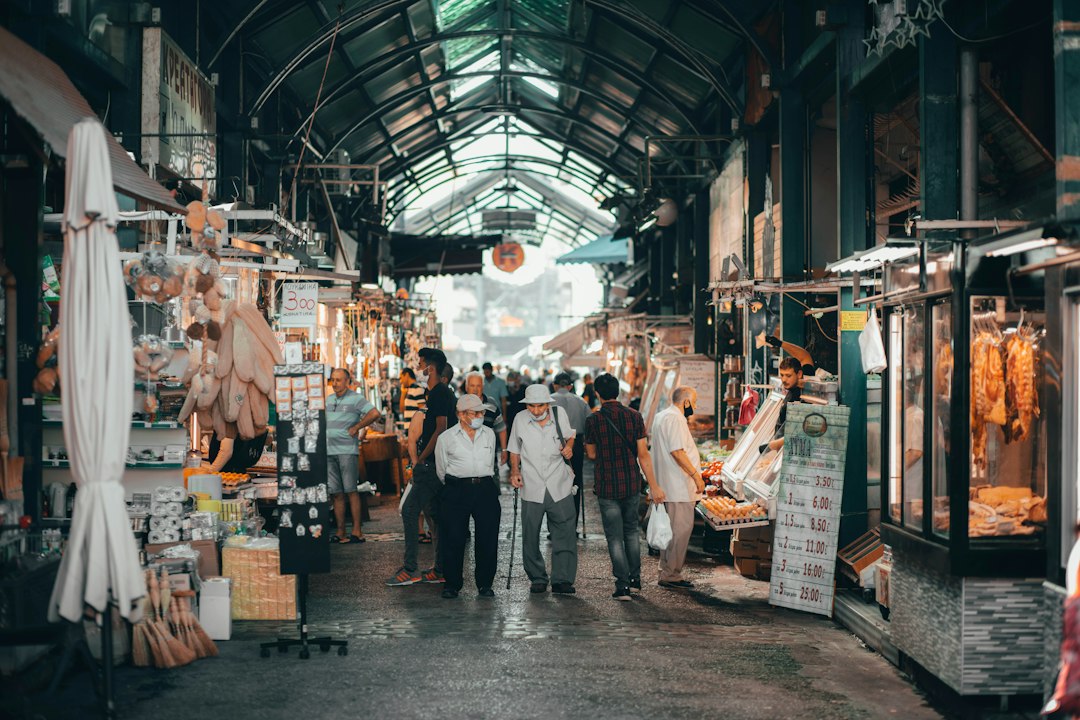

The smell arrives before the sight: a dense mixture of fresh fish, dried oregano, and aged cheeses that permeates the covered alleys of the Kapani Market as soon as you turn off Aristotelous Street. We are in the commercial heart of Thessaloniki, in one of the oldest covered markets in northern Greece, where vendors set up their goods at dawn with the same gestures passed down through generations.
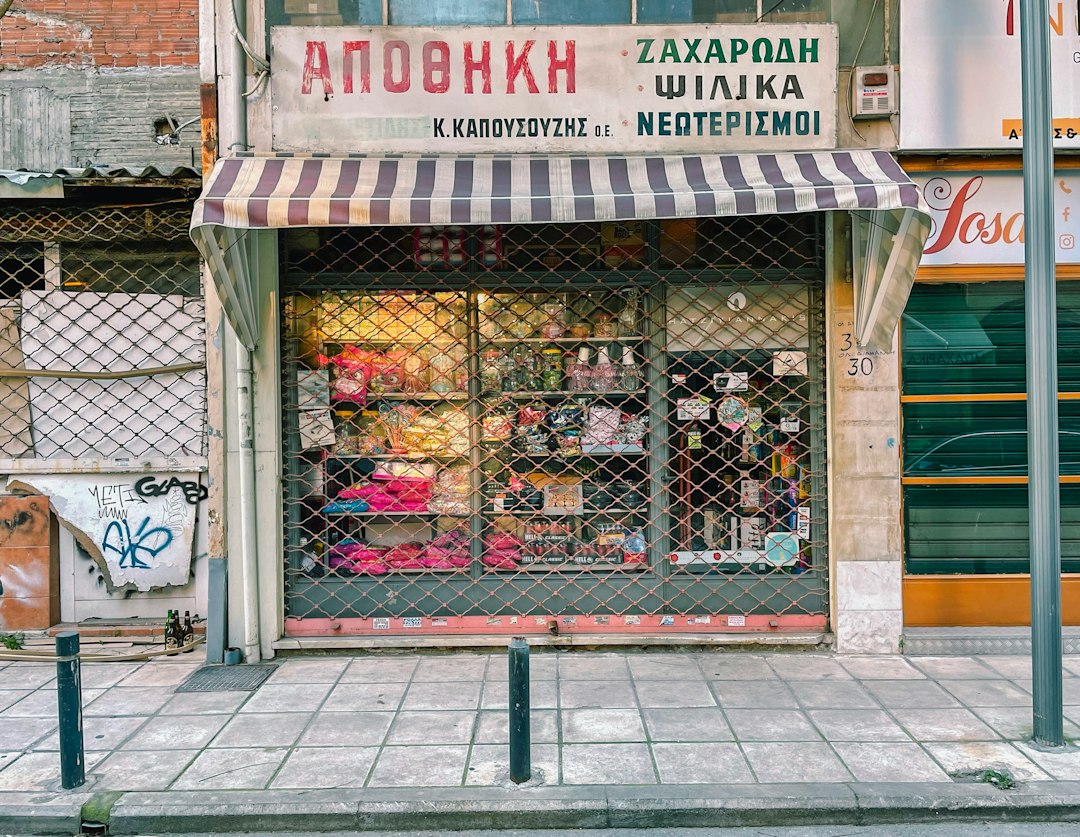
The Kapani — whose name derives from the Turkish term kapan, which formerly referred to a system of weights and measures used in Ottoman bazaars — has existed in this area of the city for centuries. The current structure largely dates back to the period following the great fire of 1917, which destroyed much of the historic center of Thessaloniki. The reconstruction of the 1920s gave the market its current labyrinthine shape, with covered corridors intertwining between Plateia Athonos and the surrounding streets.
A labyrinth of Macedonian flavors
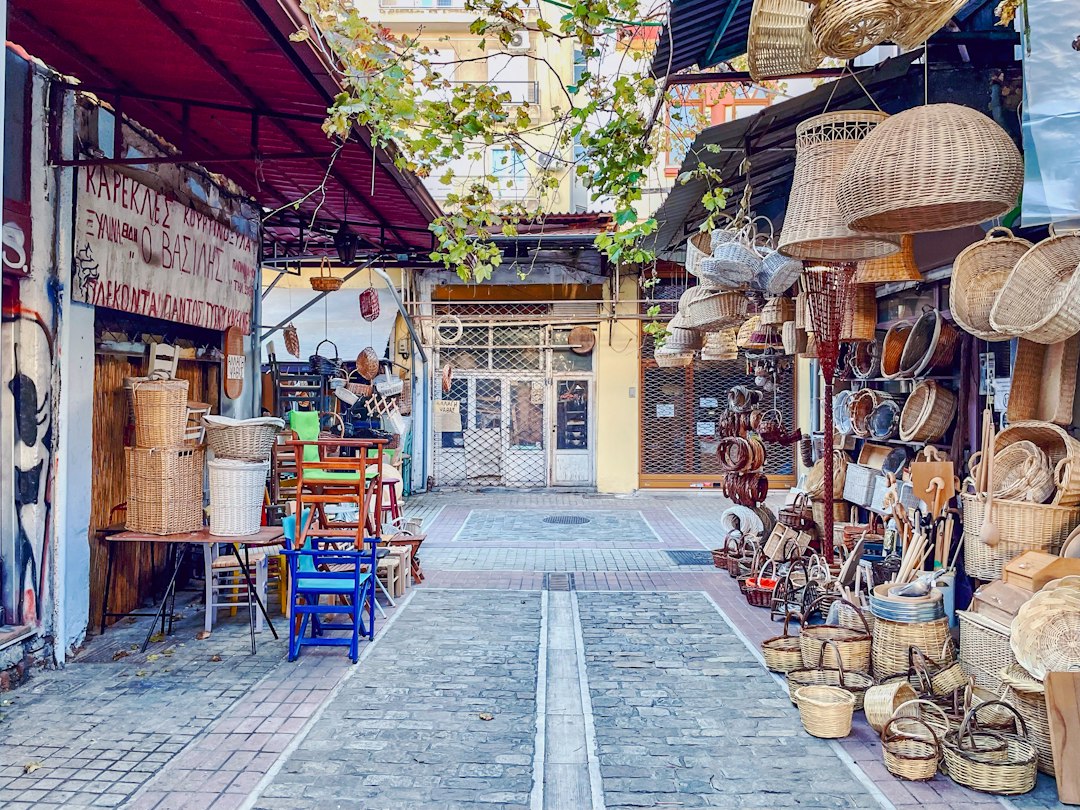
Walking in Kapani means crossing distinct micro-worlds in just a few meters. The fish sector occupies an entire wing: white marble counters on which sardines, octopuses, sea urchins, and the blue fish of the Aegean Sea are displayed, with fishmongers shouting prices in a rapid and musical Greek. Next to them, cheese merchants showcase wheels of Macedonian graviera, blocks of feta preserved in brine, and the rarer kasseri, a semi-hard cheese typical of Macedonia.
Olives deserve a stop of their own: varieties that are rarely found in European supermarkets, seasoned with garlic, chili, lemon zest, or wild thyme. The colors range from bright green to almost purplish black, arranged in large plastic or ceramic tubs that the sellers mix with wooden ladles. It is here that the chefs of local restaurants come to stock up every morning, carefully choosing among different varieties.
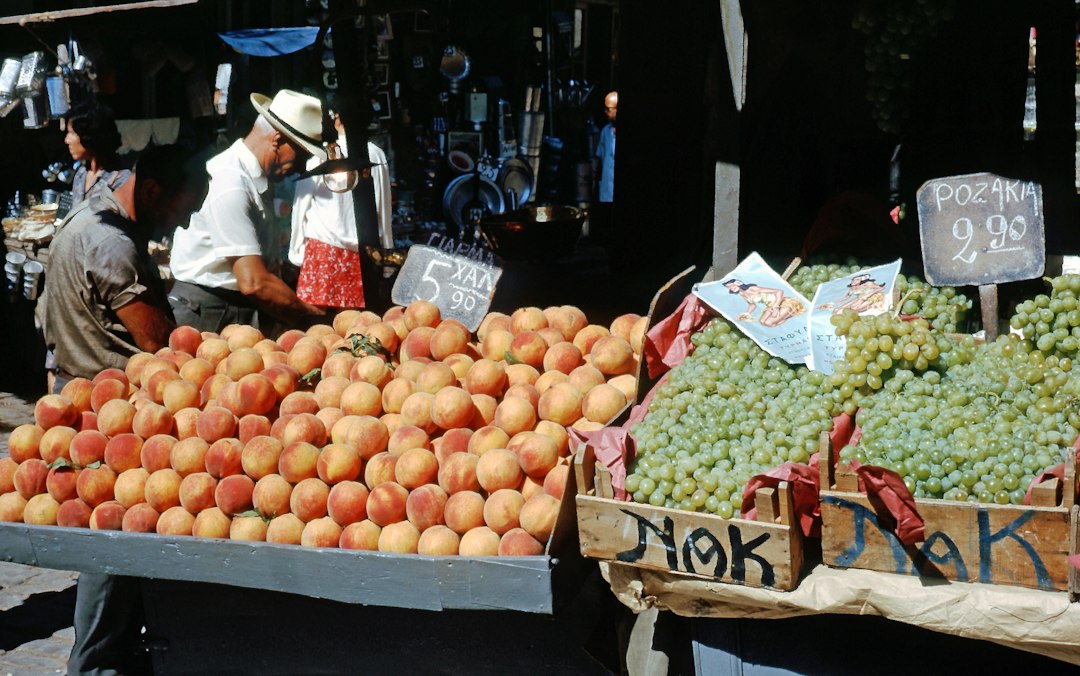
The Colors and Sounds of the Morning
The best hours to visit Kapani are those between 8:00 and 11:00, when the stalls are at their most splendid and the products are fresh. The light filtering through the partially glazed roofs creates a particular chiaroscuro: beams of sunlight illuminating piles of yellow and red spices — turmeric, smoked paprika, Aleppo pepper — while the more interior areas remain in shadow, with artificial lights giving the cheeses a golden hue.
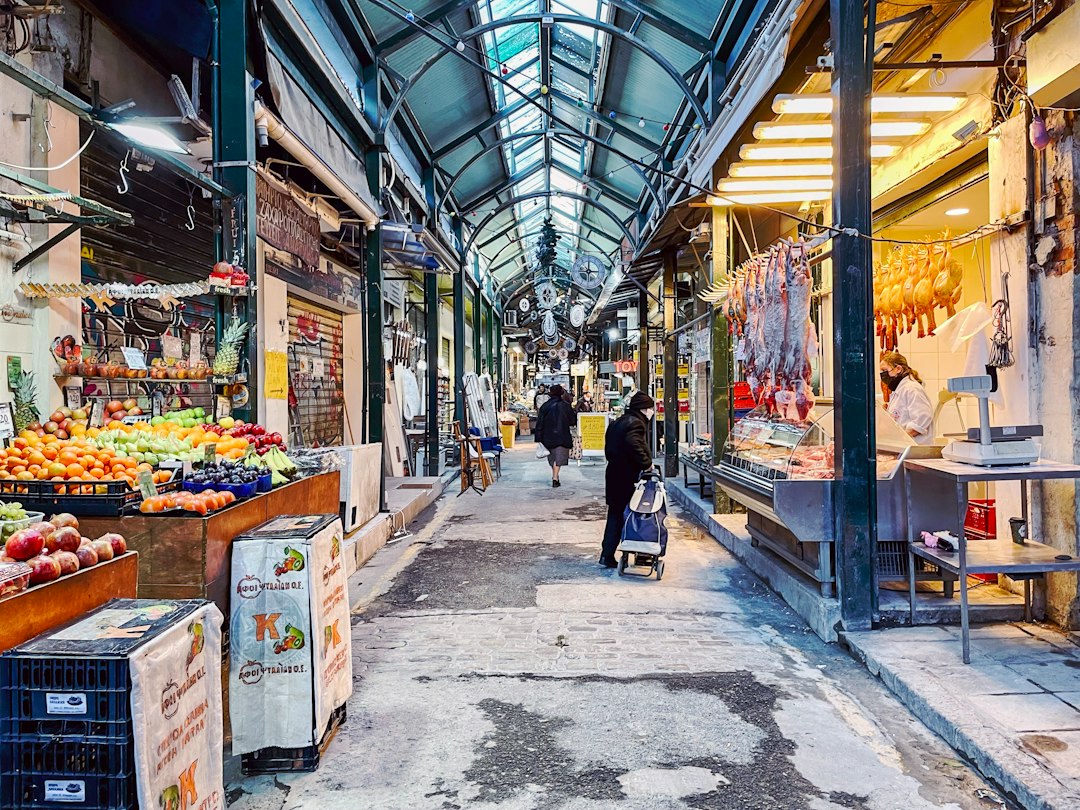
The sounds are equally characteristic: the butcher's knife striking the cutting board, the Greek radio playing from some hidden corner, the overlapping conversations between customers and vendors. It is not uncommon to witness long negotiations, especially among merchants buying wholesale. Kapani is not a market for tourists looking for souvenirs: it is an authentic workplace, and this authenticity is felt.
What to buy and what to taste
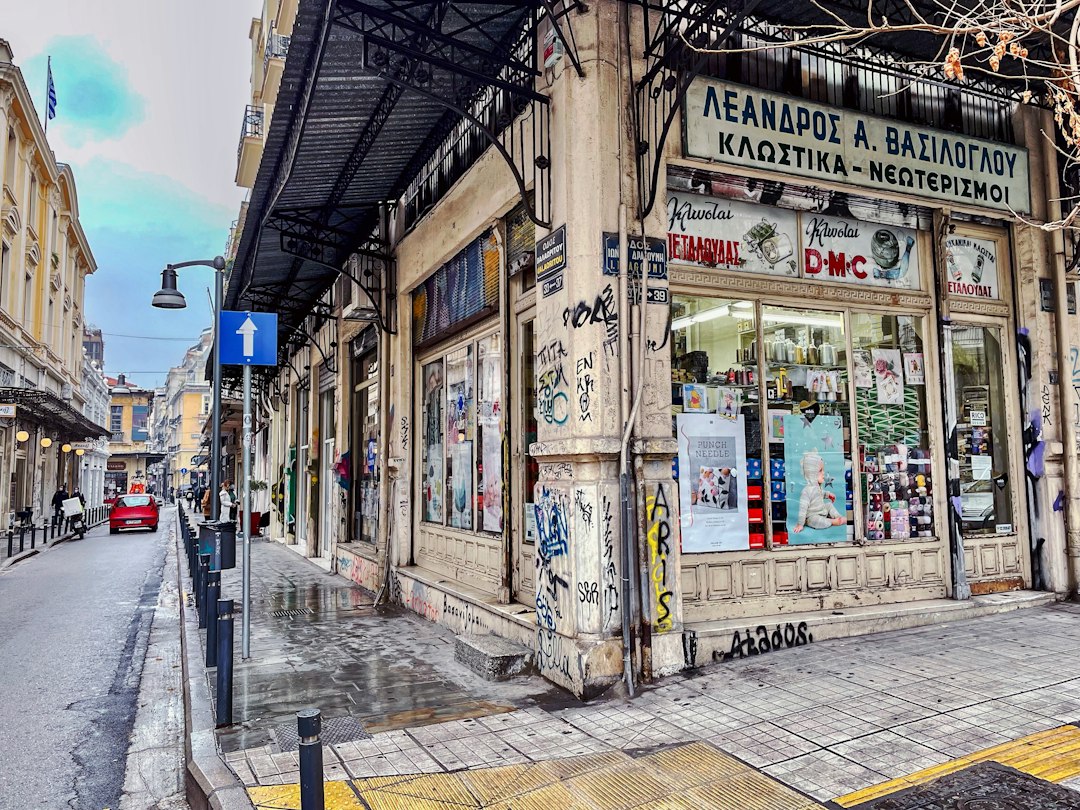
Among the most interesting products to take away are the dried aromatic herbs from Macedonia — thyme, mountain oregano, sage — sold in paper bags or tied in bundles. Prices are significantly lower than those in tourist shops in the city center. Equally worthwhile is a stop at the vendors of taramosalata and other Greek appetizers prepared on the spot, sold by weight.
Some stalls offer spontaneous tastings, especially for cheeses and olives: it is enough to show interest and the vendors are happy to offer small tastings. There is no obligation to purchase, but of course, those who taste often end up buying. Bringing a sturdy container is useful if you intend to buy soft cheeses or marinated olives, which otherwise are wrapped in paper that is not always sufficient for long journeys.
How to get there and practical advice
The Kapani Market is located in the historic center of Thessaloniki, just a few minutes' walk from Aristotle Square and the waterfront. No entrance ticket is required. The market is open from Monday to Saturday, with hours varying by sector but generally from 7:00 AM to 3:00 PM; many stalls close as early as 2:00 PM, so arriving in the early afternoon means finding the counters half-empty and the vendors busy packing up.
Saturday morning is the busiest time, with a presence of local families that makes the atmosphere particularly lively but also more crowded. Those who prefer more tranquility can opt for Tuesday or Thursday. Sunday should be avoided, as the market is essentially closed. The time needed for a complete visit is about 45-60 minutes, but those who want to stop to taste and chat can easily take twice as long.


