
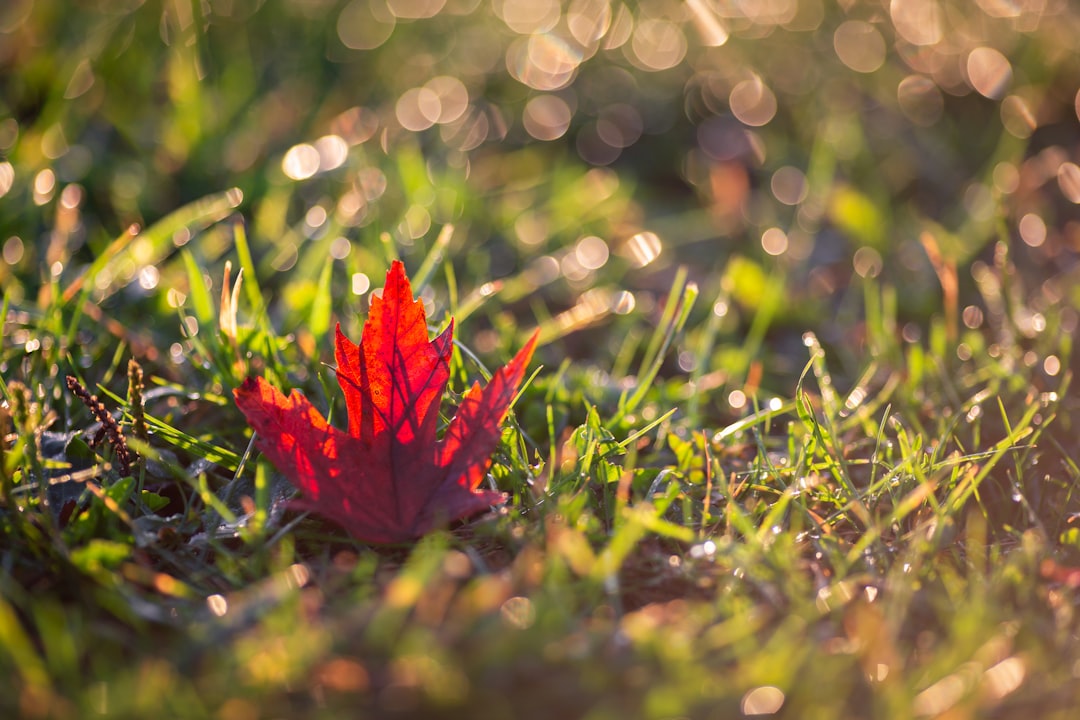

The noise arrives before the sight. Still on the path, among the pines and maples that turn red and orange in autumn, one can already hear the roar of the water crashing onto the rocks of the Clark Fork River. Thompson Falls, in the northwest of Montana, is a series of waterfalls that are not announced by tourist signs, but by a continuous rumble rising from the gorge carved over millennia.

The Clark Fork River is one of the longest rivers in Montana, and in this stretch, it flows through layered rock formations that the water has eroded, creating successive drops and rapids. It is not a single spectacular waterfall, but a sequence of waterfalls and rapids that follow one another along the course of the river, making the spectacle dynamic and changeable depending on the viewpoint. The town of Thompson Falls is named after the fur trader David Thompson, who explored this region in the early 19th century on behalf of the North West Company.
The scenic trail and the viewpoints

The path that leads to the waterfalls is short and accessible: it is a trail of about one and a half kilometers that starts from the center of the town and leads to several viewpoints overlooking the gorge. It is not necessary to be an experienced hiker — the elevation change is modest and the ground is mostly stabilized — but it is advisable to wear shoes with non-slip soles, as the mist produced by the waterfalls makes some surfaces slippery even on dry days.
From the viewpoints, the layered rock formations that characterize the walls of the gorge are clearly visible: sedimentary rocks that show horizontal bands of different colors, from gray to beige to rust, shaped by water and erosion. In autumn, the contrast between these light walls and the red and golden foliage of the surrounding trees creates a color palette that alone justifies the trip.
The power of water and the mist of the gorge
In spring, when the thaw swells the Clark Fork with water from the mountains of Montana and Idaho, the waterfalls reach their maximum power. The river's flow increases significantly compared to the summer months, and the mist produced by the falls rises to the edges of the gorge, settling on the rocks and vegetation. Getting too close to the unprotected edges during this time means quickly finding yourself with wet clothes.
In summer, the flow decreases, but the waterfalls remain active and photogenic. The afternoon light, entering the gorge from the west, directly illuminates the falling water and creates interesting light effects for photography. Those who bring a camera with adjustable exposure times can experiment with both the effect of frozen water and that of the silky veil obtained with long exposures.
The context of the city and the dam
Thompson Falls is a small town of about 1,300 inhabitants, the county seat of Sanders County. A few miles downstream from the natural waterfalls is the Thompson Falls Dam, a hydroelectric dam built in the 1920s that has altered the water regime of the river in this stretch. The dam is visible from the road bridge that crosses the Clark Fork in the town and is still operational today for electricity generation.
This industrial presence does not detract from the spectacle of the natural waterfalls, which are located upstream of the dam and retain their wild character. The town center has some essential services — gas stations, a couple of restaurants, a motel — sufficient for a half-day stop or an overnight stay.
How to organize the visit
Thompson Falls can be reached by traveling on US Highway 200, which crosses the northwest of Montana, partly following the course of the Clark Fork. From Missoula, the nearest university town, the distance is about 90 miles west, which is about an hour and a half of driving on state roads. There is no regular public transportation to Thompson Falls, so a car is practically essential.
The best time to visit is October, when the autumn foliage is at its peak and the temperatures are still pleasant during the day, between 10 and 15 degrees. The trail does not require permits or entrance tickets. Bring water, a lightweight waterproof layer, and at least an hour and a half to walk the trail leisurely and stop at the various viewpoints without rushing.


