


Tibet, often referred to as the "Roof of the World," is a land of breathtaking landscapes and profound spirituality, nestled high in the Himalayas. Its remote location in the Prefettura di Ngari of China, characterized by stunning mountain ranges and deep cultural roots, has long attracted adventurers and pilgrims alike. The allure of this unique region lies not only in its dramatic scenery but also in its rich history and spiritual significance.

### History and Origins
Tibet's history is as complex as its rugged terrain. The region has been inhabited for thousands of years, with the earliest evidence of human presence dating back to the Neolithic period. The establishment of the Tibetan Empire in the 7th century under Songtsen Gampo marked a pivotal moment in Tibet's history. This emperor is credited with unifying various Tibetan tribes and introducing Buddhism to the region, which would profoundly shape its culture and society.
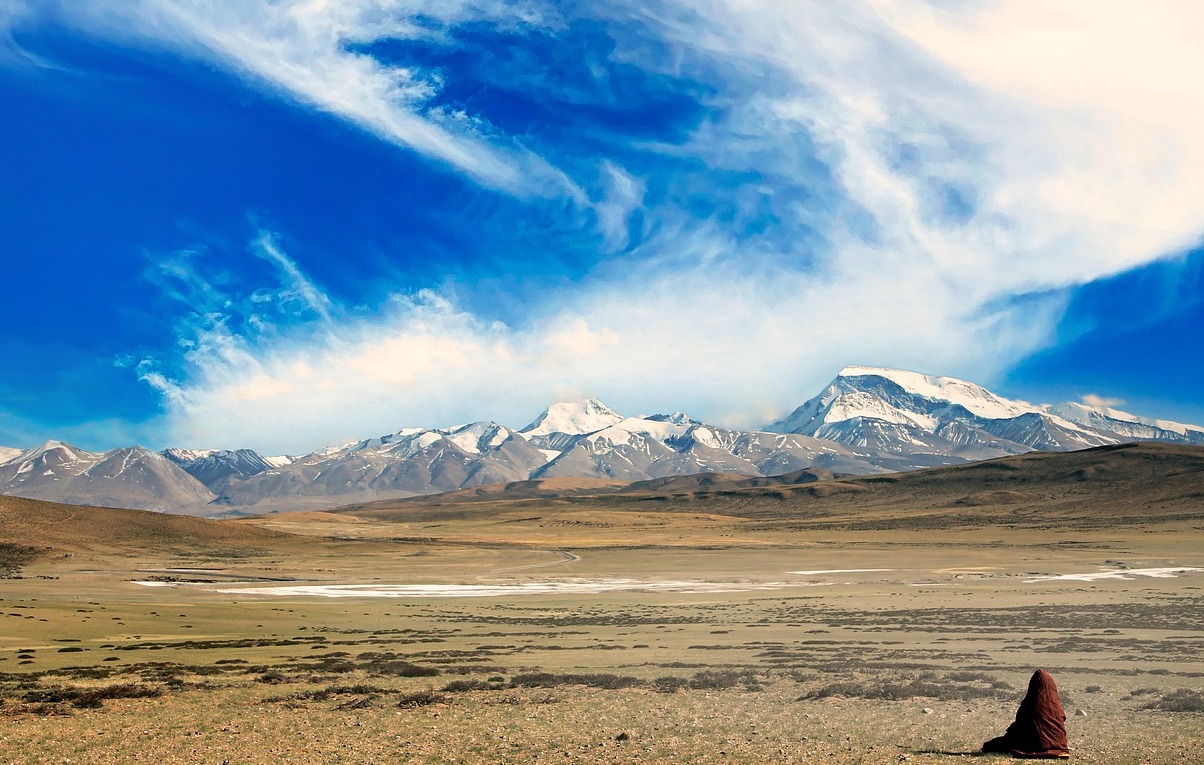
In the centuries that followed, Tibet became a center of Buddhist scholarship and practice, attracting monks and seekers from across Asia. However, the political landscape shifted dramatically in the 20th century, particularly after the Chinese invasion in 1950, which led to significant unrest and the eventual exile of the 14th Dalai Lama in 1959. Despite these challenges, Tibetan culture and religious practices continue to thrive, drawing pilgrims and tourists eager to connect with its ancient roots.
### Art and Architecture
Tibet's art and architecture are expressions of its spiritual essence, with influences that reflect its long-standing Buddhist traditions. The most iconic structure in the region is the Potala Palace in Lhasa, once the winter residence of the Dalai Lamas. This architectural marvel, constructed in the 17th century, showcases Tibetan style with its grand white and red walls, intricate murals, and thousands of shrines.
Another significant site is the Kailash Monastery, located near Mount Kailash. The monastery is adorned with intricate carvings and thangka paintings, which illustrate various Buddhist teachings and stories. The artistic significance of Tibetan art lies in its ability to convey deep spiritual meanings, often serving as visual aids for meditation and devotion.
### Local Culture and Traditions
Tibetan culture is a vibrant tapestry woven from its history, religion, and unique customs. The Tibetan New Year, or Losar, is one of the most significant festivals, celebrated with colorful ceremonies, traditional music, and sumptuous feasts. During this time, families clean their homes, decorate with prayer flags, and prepare special dishes like momos (dumplings) and barley beer known as chang.
Another fascinating aspect of Tibetan culture is its deep-rooted belief in Bön, the indigenous religion that predates Buddhism. Many customs, such as the practice of sky burials, reflect a profound respect for nature and the cycle of life and death. Visitors can witness these traditions during local festivals, where rituals are performed with great reverence.
### Gastronomy
Tibetan cuisine is hearty and nourishing, designed to sustain those living in the high altitudes. Tsampa, a roasted barley flour, is a staple food, often mixed with tea or formed into balls for easy consumption. Momos, steamed or fried dumplings filled with meat or vegetables, are another popular dish, frequently enjoyed during celebrations.
For drinks, butter tea (po cha) is a quintessential Tibetan beverage made from tea, yak butter, and salt. This caloric drink is perfect for combating the cold climate and provides essential energy. Visitors should also try chang, a traditional alcoholic beverage made from fermented barley, which plays a central role in local festivities.
### Lesser-known Curiosities
While many tourists flock to the more famous sites, several lesser-known treasures await discovery in Tibet. For instance, the Yarlung Tsangpo River, known as the Brahmaputra in India, is considered one of the world's highest rivers and holds immense spiritual significance for Tibetans.
The Kailash Kora, a pilgrimage route around Mount Kailash, is often overlooked by visitors, yet it offers breathtaking views and a chance to connect with fellow pilgrims. The entire trek is about 52 kilometers and is considered a sacred journey that many believe brings good fortune and spiritual cleansing.
### Practical Visitor Information
The best time to visit Tibet is during the spring and autumn months (April to June and September to November) when the weather is mild, and the skies are clear. Travelers should be aware of the high altitude and take necessary precautions, such as acclimatizing gradually and staying hydrated.
When planning a visit, it's essential to respect local customs and traditions. Dress modestly, especially when visiting monasteries, and always ask permission before taking photographs of individuals or sacred sites.
For those eager to immerse themselves in the spiritual and cultural wealth of Prefettura di Ngari, the region offers a unique opportunity to connect with a world that has remained remarkably preserved through centuries of change.
With so much to explore, consider using the Secret World app to craft a personalized itinerary that captures the essence of Tibet's extraordinary landscapes and rich traditions.
