
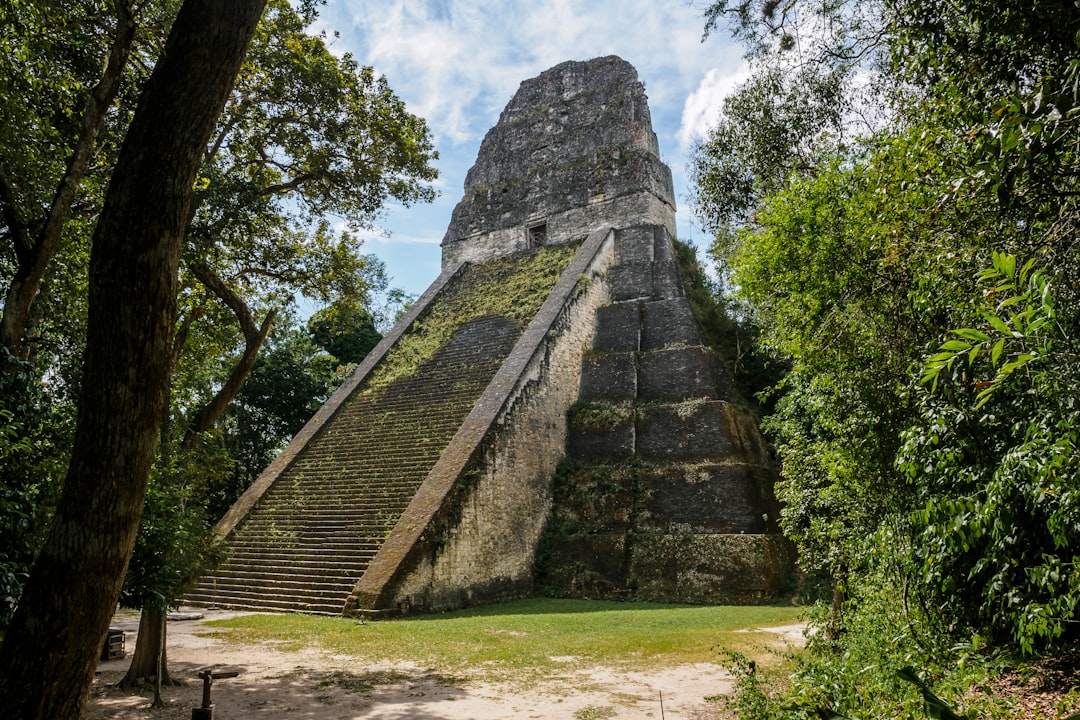

At dawn, even before the sun rises above the treetops, the roar of the howler monkeys echoes among the pyramids of Tikal like a primordial alarm. It is not a sound one expects in an archaeological site: it is visceral, deep, almost prehistoric. Then the light arrives, and with it the overlapping song of dozens of bird species that inhabit the Tikal National Park, in the Petén region of Guatemala, a protected area of about 576 square kilometers that encompasses one of the most significant Maya sites in Central America.
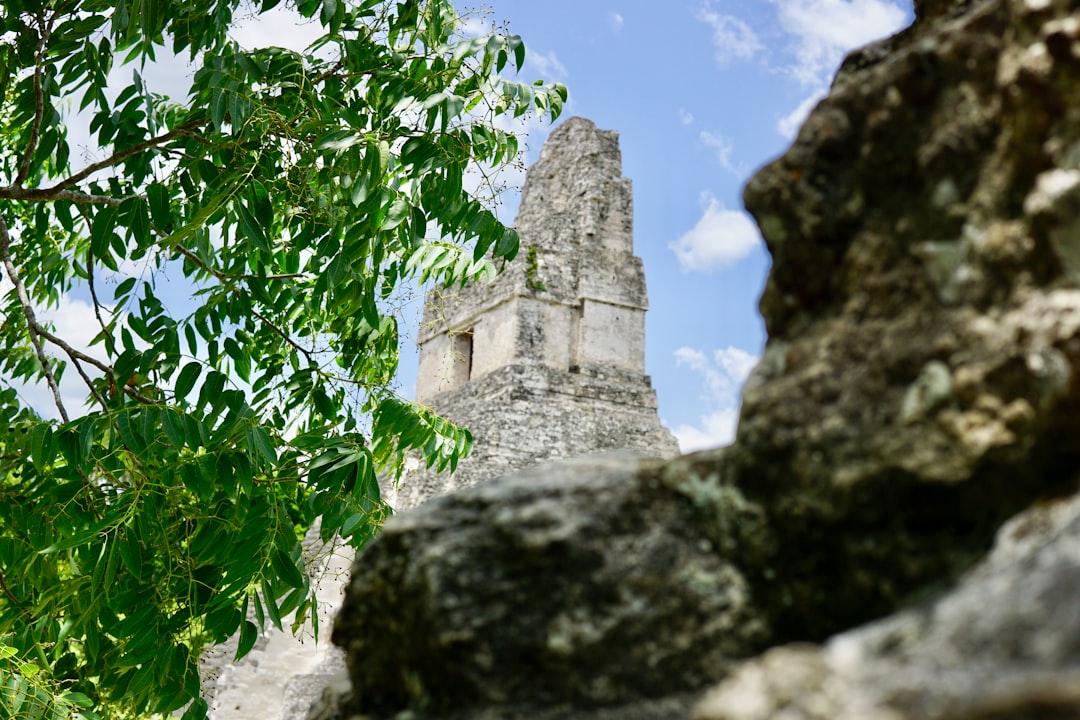
Tikal was inhabited at least since 900 B.C., but it reached its peak between the 3rd and 9th centuries A.D., when it was one of the most powerful Maya city-states in the region, with an estimated population between 60,000 and 90,000 inhabitants. Today what remains is not just stone: it is an intact ecosystem where ruins and tropical forest intertwine so deeply that separating them seems impossible. The roots of the trees wrap around the walls, coatis walk among the tourists, and colorful-billed toucans soar over the tops of the pyramids.
Climbing Above the Jungle: The Pyramids as Natural Observatories
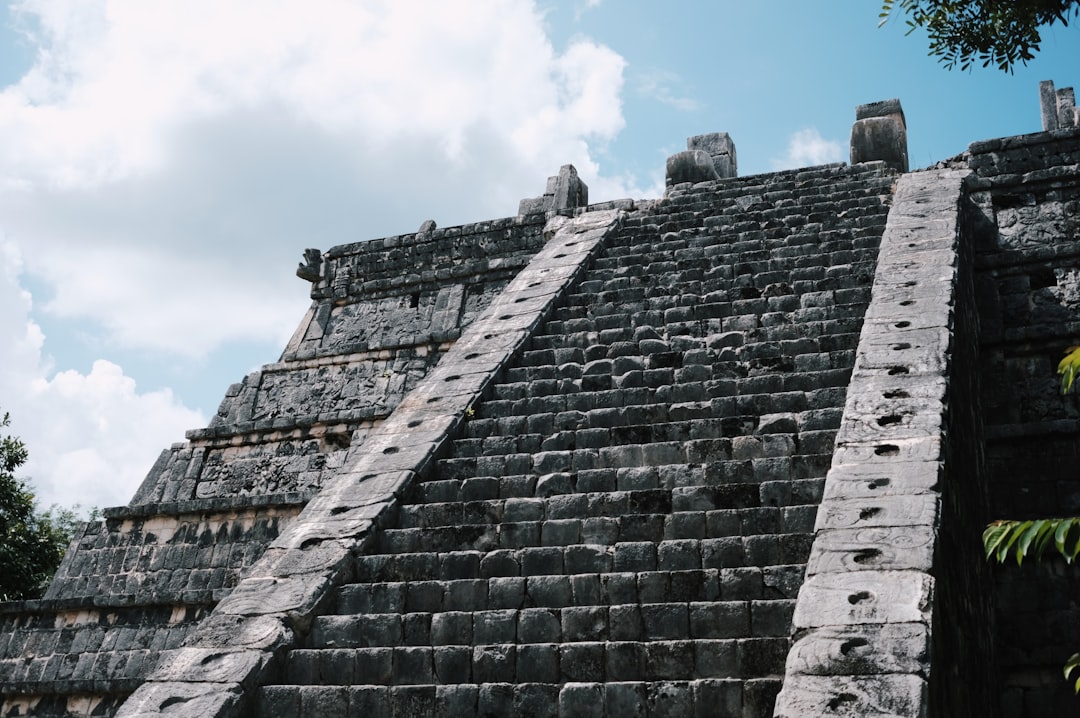
The most extraordinary moment at Tikal is not contemplating the pyramids from below, but climbing on them and looking out. The Temple IV, the tallest on the site at 65 meters, allows you to literally rise above the canopy of the rainforest. From that platform, you can see the tops of the other temples peeking through the greenery, a scene that many remember as one of the most evocative of the trip. There are no modern handrails that ruin the perspective: just ancient stone and jungle as far as the eye can see.
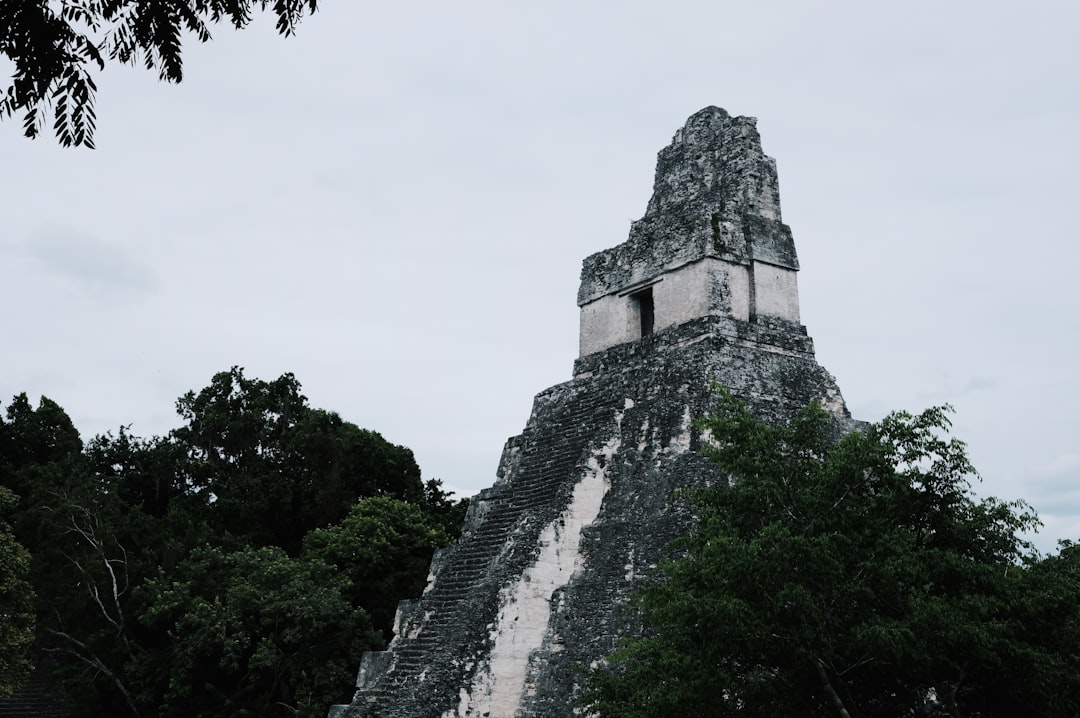
The Temple I, also known as the Temple of the Great Jaguar, stands on the Great Plaza at 47 meters and was built around 732 A.D. as a mausoleum for the ruler Jasaw Chan K'awiil I. Today, climbing Temple I is prohibited for conservation reasons, but ascending Temple II across from it still offers a direct view of the main facade. From above, you can observe the carved stelae in the plaza and the movements of the animals that inhabit the surrounding areas, unconcerned by the visitors.
Biodiversity: the other reason to come here
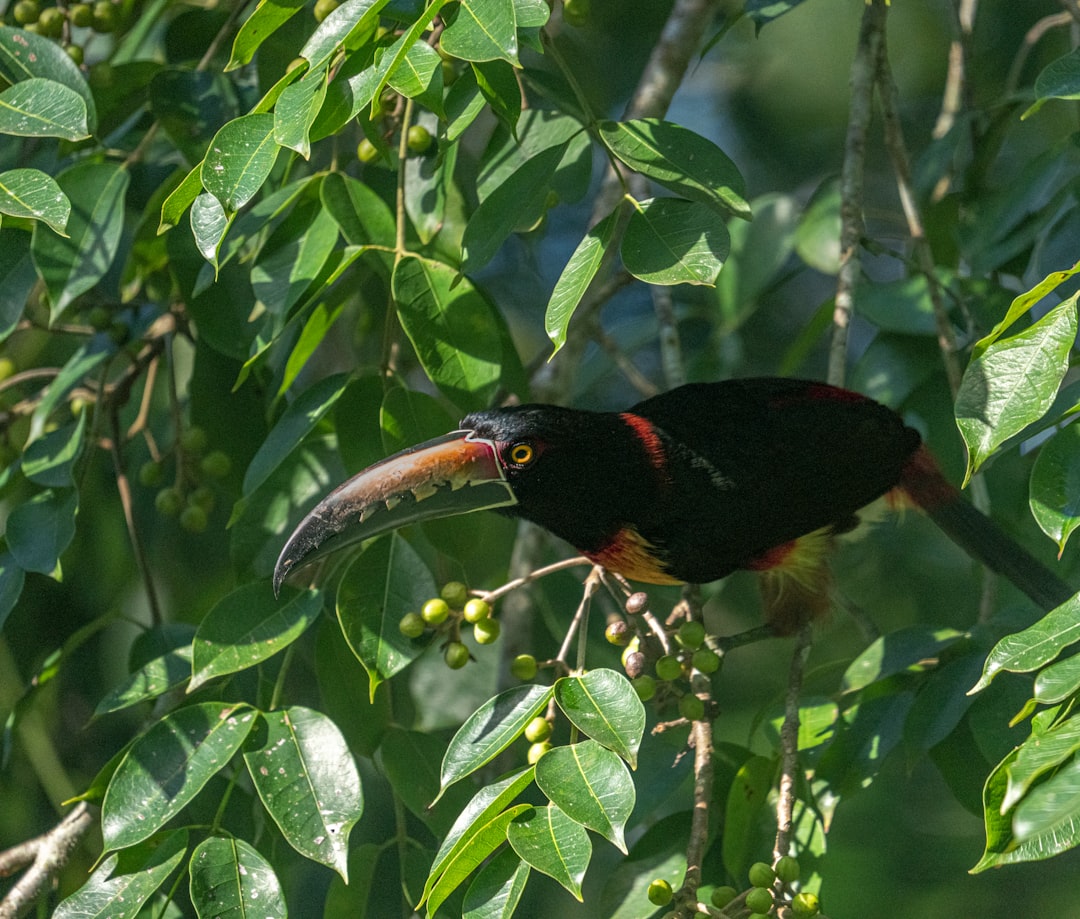
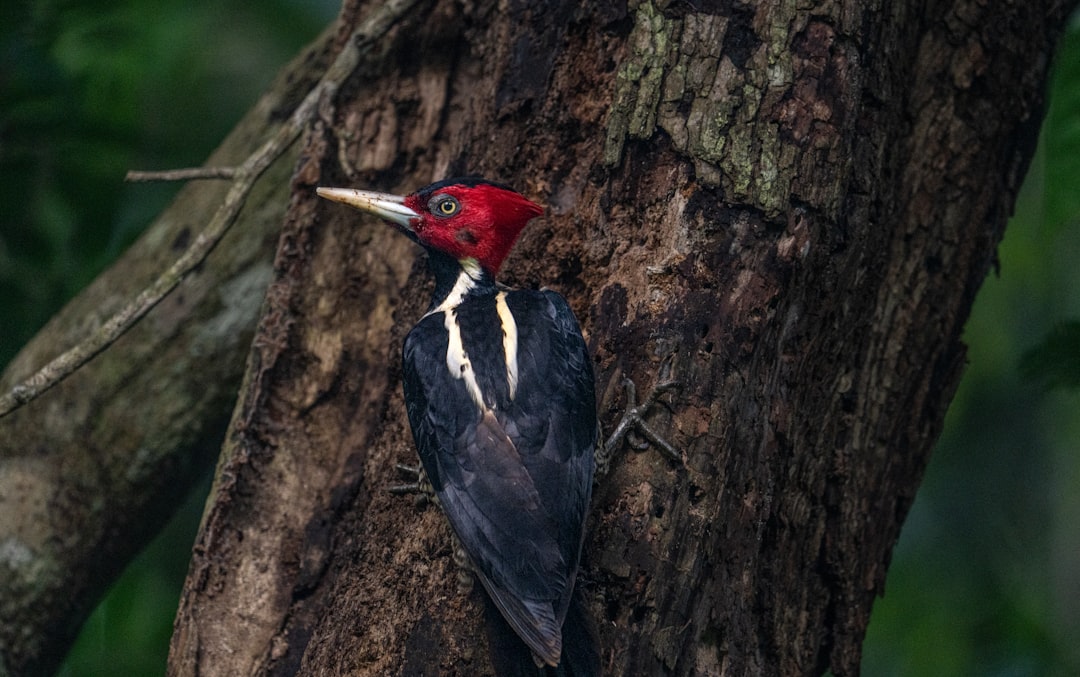
The park is home to over 300 species of birds, including the yellow-breasted toucan (Ramphastos sulfuratus), easily spotted in the morning hours on the tops of the tallest trees. The spider monkeys (Ateles geoffroyi) move in groups among the branches above the trails, often visible to the naked eye without the need for binoculars. The coatis, similar to raccoons with elongated snouts, roam freely around the picnic areas in search of food.
For those with patience and silence, the less frequented trails of the park — such as those leading to the Grupo H or the less restored structures on the outskirts — offer rarer sightings: armadillos, ocellated turkeys, and, with a lot of luck, the passage of a tapir during twilight hours. The forest of Tikal is classified as a humid tropical forest, with trees like the ceiba (Ceiba pentandra), considered sacred by the Maya and still abundant in the park.
The Sound of the Forest at Sunset
If dawn is the time for the songs of birds, sunset belongs to the howler monkeys. Their call, produced by an enlarged hyoid bone that acts as a resonating chamber, can be heard up to 5 kilometers away in the forest. Hearing it while walking among the ruins at sunset is an experience that no photograph can capture. The park offers the possibility to stay overnight in the Jaguar Inn and Jungle Lodge located near the entrance, and those who do can enjoy the nighttime hours when the day tourists have left.
The late afternoon light illuminates the honey-colored stones of the pyramids differently than at noon, revealing details in the sculptures and friezes that direct light flattens. It is the moment when Tikal stops looking like a site to visit and simply becomes a place to be.
Practical information for the visit
The park is located about 65 kilometers from Flores, the nearest city with an airport, reachable in about an hour and a half by bus or shuttle. The entrance ticket costs approximately 150 quetzal (about 18 euros), with separate rates for entry at dawn or dusk. The best time to visit is between 6 and 9 in the morning: the temperature is bearable, the light is excellent for photography, and the wildlife is much more active. Bringing insect repellent is essential, as well as closed shoes and plenty of water. The trails are not always well marked: relying on a local guide allows you to discover structures off the main paths and to identify animals more accurately.


