



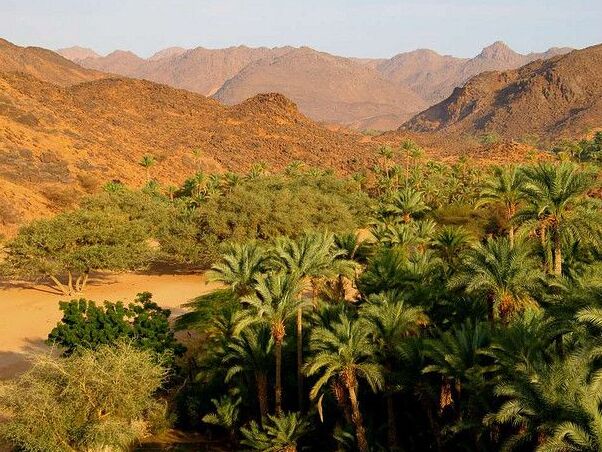
Nestled amidst the arid expanse of northern Niger, the Timia Oasis emerges as a vibrant haven, offering a refreshing respite from the unforgiving Sahara. This lush enclave, known for its abundant groves of fruit-bearing trees, creates a striking contrast with the surrounding desert, inviting weary travelers to indulge in its natural bounty.
History and Origins The history of the Timia Oasis is woven into the fabric of the ancient Tuareg culture, which has thrived in this region for centuries. The oasis has been a critical waypoint along the trans-Saharan trade routes, serving as a rest stop for caravans transporting salt, gold, and other goods. The Tuareg, known as the "Blue People" for their indigo-dyed garments, have long been the custodians of this oasis, ensuring its survival through a deep understanding of the land and its resources. Historical records, including oral traditions, suggest that the oasis has been inhabited since at least the 15th century, its strategic importance making it a focal point for regional interactions.
Art and Architecture Architecturally, the Timia Oasis is a testament to the ingenuity of its people. Traditional Tuareg dwellings, known as "tents" or "tifini," are crafted from locally sourced materials such as palm fronds and animal hides, designed to withstand the harsh desert climate. These structures are complemented by mud-brick buildings that house storage facilities and communal spaces. The artistry of the Tuareg is also evident in their intricate silver jewelry and leatherwork, which reflect the cultural influences of the trade networks that have passed through the oasis.
Local Culture and Traditions The cultural tapestry of Timia is enriched by the vibrant traditions of the Tuareg people. One of the most significant cultural events is the Imzad Festival, a celebration of the traditional single-stringed instrument that holds great cultural significance. This event not only showcases the musical heritage of the Tuareg but also serves as a gathering point for artisans and musicians from across the region. The Tuareg are also known for their rich oral storytelling traditions, where tales of legendary heroes and ancient battles are passed down through generations.
Gastronomy The culinary offerings of Timia are as unique as its landscape. Visitors can indulge in a variety of locally grown fruits, including pomegranates, oranges, and dates, which thrive in the oasis's fertile soil. Traditional dishes often feature ingredients such as millet and goat meat, with flavors enhanced by local herbs and spices. A popular delicacy is Efot, a savory stew made with meat and vegetables, showcasing the region's resourcefulness in using available ingredients.
Lesser-Known Curiosities A lesser-known aspect of the Timia Oasis is its role as a sanctuary for migratory birds, making it a hidden gem for birdwatchers. The oasis's pools and trees provide a rare habitat in this part of the Sahara, attracting species that are seldom seen elsewhere. Additionally, the nearby volcanic landscape, with its striking rock formations, offers an intriguing backdrop for adventurous travelers.
Practical Visitor Information For those planning a visit, the best time to explore the Timia Oasis is between November and February, when temperatures are more moderate. Travelers should prepare for the journey with ample sun protection and hydration essentials. Engaging a local guide can enrich the experience, providing insights into the oasis's ecological and cultural significance. Visitors should also take the time to explore the surrounding landscape, where remnants of ancient trade routes and rock carvings offer glimpses into the area's storied past.
In the heart of the Sahara, the Timia Oasis stands as a testament to nature's resilience and the enduring spirit of its people. A visit here is not just a journey through breathtaking scenery, but a passage into the rich cultural heritage that defines this unique corner of the world.
