
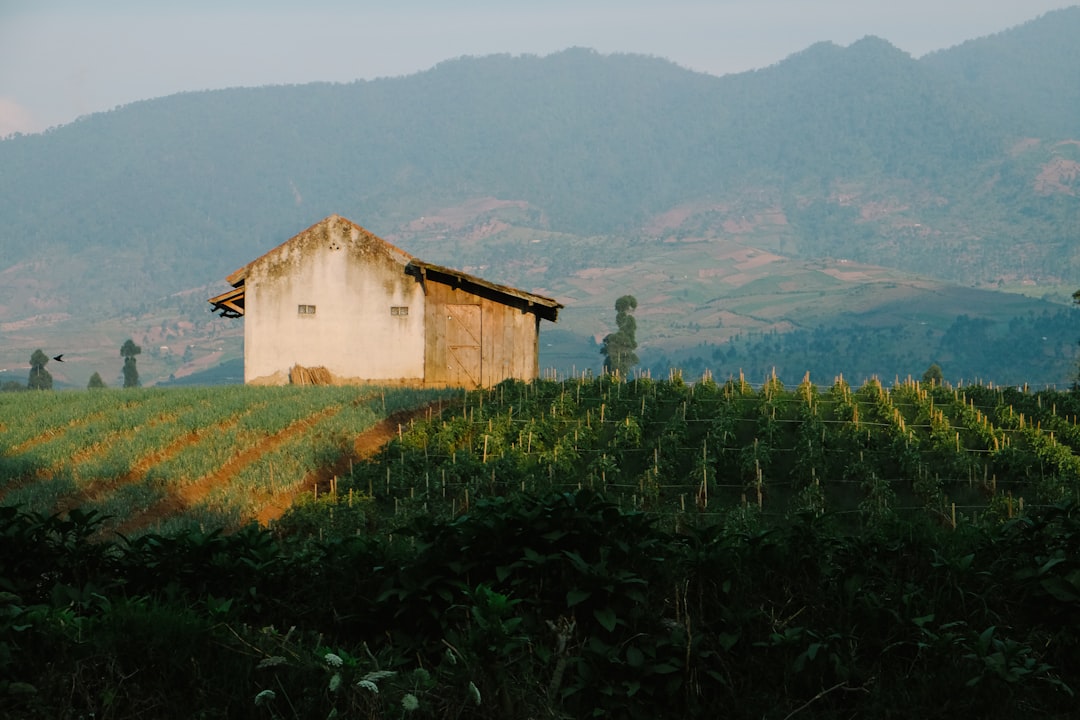

The smell arrives before the sight: a dense, earthy, and vaguely sweet note that permeates the air as soon as one enters the dirt path leading to Benito's farm, in the heart of the Viñales Valley. Here, among the vertical walls of the mogotes — those imposing limestone formations that can exceed 300 meters in height and characterize the landscape declared World Heritage by UNESCO in 1999 — tobacco is still cultivated and processed exactly as it was centuries ago.

Benito's Tobacco Farm is one of the few active plantations in the area where visitors can witness the entire cycle of Cuban tobacco processing, from the freshly harvested green leaf to the hand-rolled cigar. This is not a show set up for tourists, but a functioning farm where local farmers — the vegueros — follow methods passed down for over 500 years, long before Cuba became synonymous with quality tobacco worldwide.
The tobacco houses: where the leaves gain character

The visual and olfactory heart of the farm are the tobacco houses, the drying huts built with wooden logs and covered with woven royal palm leaves. Inside these structures, the tobacco leaves are hung in horizontal rows on long wooden poles and left to dry slowly for weeks, exposed to the natural circulation of air. Light filters through the palm walls creating an amber and soft atmosphere, while the accumulated heat promotes the initial fermentation that gives the leaves their characteristic aroma.
Looking closely at the hanging leaves, one can see how those destined for the outer wrapper of the cigar — the capa — are selected with different care compared to those for the filler. The vegueros distinguish the varieties by eye, touching the texture of the leaf and smelling its fragrance. It is a bodily knowledge, passed down from generation to generation, that no manual can fully codify.

The hand-rolled cigar: a ritual to observe up close
The demonstration of cigar rolling is the most anticipated moment of the visit. Sitting on a low chair in front of a rough wooden table, the torcedor — the master roller — works with precise and almost hypnotic movements. First, he selects the filler leaves, the tripa, which are rolled together to form the body of the cigar; then he wraps everything with the capote, the binding leaf, and finally applies the outer wrapper with a uniform pressure that can only be achieved with years of practice.

The final result is cut with a small circular guillotine called chaveta and sealed with a touch of vegetable gum arabic. A well-made cigar must have a uniform draw along its entire length: visitors can ask to test it on the spot, and are often invited to try rolling themselves, with predictably imperfect but memorable results. The cigars produced on the farm can be purchased directly, at prices significantly lower than those at tourist shops in Havana.
Rum, honey, and coffee: the rural gastronomy of the farm

The visit almost always includes a convivial stop under an open roof where local products are served. The homemade rum, the artisanal rum produced from sugar cane grown nearby, is offered in small glasses along with honey from wild bees collected in the wooded areas around the mogotes. The flavor of the Cuban honey from this area is floral and persistent, with notes reminiscent of guava and passion fruit flowers.
The coffee served is often grown in the same hills that surround the valley: a robust variety, dark roasted, that Cubans drink very sweet and in small quantities. Paired with some fresh tobacco leaves to smell — not necessarily to smoke — this multi-sensory moment perhaps represents the most authentic experience that the farm offers: a simultaneous immersion in the smells, flavors, and textures that belong to this specific corner of Cuba.
Practical information for the visit
The Viñales Valley can be reached from Havana in about 2-3 hours by traveling along the National Highway westward and then taking the provincial road. Shared taxis — the almendrones or colectivo taxis — regularly depart from the capital and represent the most economical option. Benito's farm is located a few kilometers from the center of the town of Viñales and can be easily reached on foot, by bicycle, or with a short local taxi ride.
The best time to visit is early in the morning, preferably between 8:00 and 10:00, when the slanting light enhances the landscape of the mogotes and the workers are active in the tobacco houses. The guided tour lasts on average 60-90 minutes. It is advisable to bring cash in convertible Cuban pesos, as credit cards are not accepted. Avoid the months of July and August due to excessive heat: the optimal period is between November and March.


