
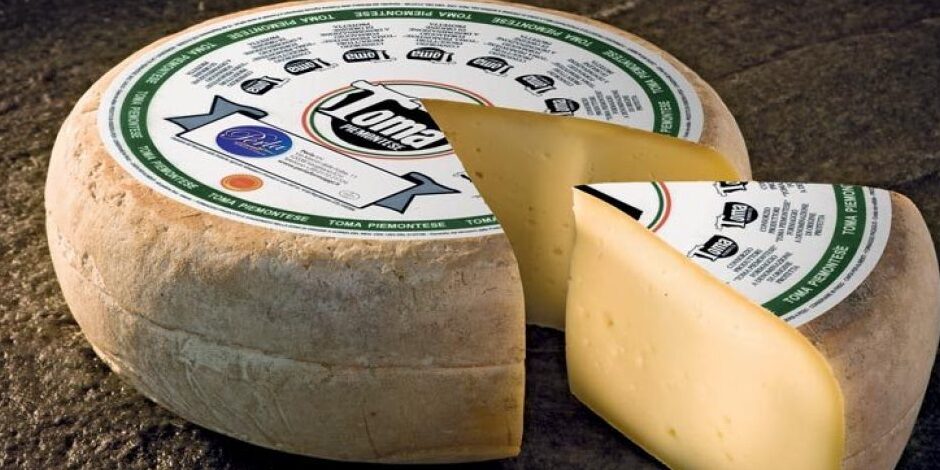

Nestled in the heart of Piedmont, Italy, Toma Piemontese is not just a cheese; it is a rich tapestry of history, culture, and tradition that dates back to Roman times. This distinctive cheese, made exclusively from cow's milk, has origins intertwined with the very fabric of Italian agrarian life.
The earliest documented references to Toma Piemontese appear around the year 1000, where it was often included in the 'pastus' distributed to the poor and laborers. This connection to the working class has shaped its identity as a "poor man's cheese." It’s intriguing to note that during these early periods, the cheese was likely considered a vital source of nutrition for many, underscoring its importance in the local diet. As time progressed, the cheese became a staple in the diet of the margari, or shepherds, who would guide their cattle to the lush mountain pastures in the summer before returning to the valleys in the winter.
The production of Toma Piemontese is closely linked to the Alpine environment of Piedmont, where the unique climatic conditions and diverse flora contribute to its distinct flavor. The artisanal methods of crafting this cheese have been preserved through generations, with each producer boasting their own secret techniques that enhance its organoleptic characteristics. The cheese comes in two main varieties: full-fat (soft paste) made from whole milk, and semi-fat (semi-hard paste) produced from partially skimmed milk. Each variety tells a story of the land and the people who have nurtured it.
In addition to its culinary significance, the region is rich in art and architecture. The Alpine landscape of Piedmont is dotted with charming villages and historic towns, where traditional stone houses and rustic farmsteads reflect the region's agrarian roots. The Castello di Grinzane Cavour, a UNESCO World Heritage site, is a notable landmark that showcases the medieval architectural style of the region. The castle, once the home of the famous statesman Camillo Benso, conte di Cavour, is now a museum dedicated to the history of Piedmontese wine and cheese, further highlighting the intertwining of gastronomy and heritage.
Local culture thrives in Piedmont, with numerous customs and festivals celebrating the region's agricultural bounty. One of the most significant events is the Fiera del Toma, held annually in late August, where locals and visitors gather to celebrate the cheese through tastings, workshops, and cultural performances. This festival not only showcases Toma Piemontese but also emphasizes the communal spirit and pride of the people who produce it.
Gastronomy in Piedmont extends beyond cheese, featuring a plethora of local foods and beverages that reflect the region's rich agricultural landscape. The Bagna Cauda, a warm dip made from garlic, anchovies, and olive oil, is a beloved dish that pairs beautifully with Toma Piemontese. The region is also famed for its wines, particularly Barolo and Barbaresco, which complement the cheese's hearty flavors. A visit to a local osteria offers the chance to indulge in these culinary delights, often served with homemade bread and fresh vegetables.
For those looking for lesser-known curiosities, consider the unique legends surrounding Toma Piemontese. One popular tale suggests that the cheese was originally created to ensure that no part of the cow went to waste, illustrating the resourcefulness of the shepherds. Additionally, the cheese's name "Toma" is thought to derive from the Occitan term for "lump," referring to its traditional shape. These stories add layers of meaning to the cheese, making it a conversation piece at any dining table.
The best time to visit Piedmont for experiencing the cheese culture is during the late spring and early autumn months. In addition to the vibrant landscapes, visitors can partake in various cheese-making workshops and tastings that are often held in local dairies. Be sure to venture into the countryside; the rolling hills and picturesque views provide a stunning backdrop to the culinary adventure.
To truly appreciate Toma Piemontese and its cultural significance, take time to engage with local producers and immerse yourself in the vibrant traditions of the region. With every bite, you'll taste the history and passion of those who have dedicated their lives to this artisanal craft.
For a personalized journey through the rich tapestry of Piedmont, consider using the Secret World app to plan your itinerary.


