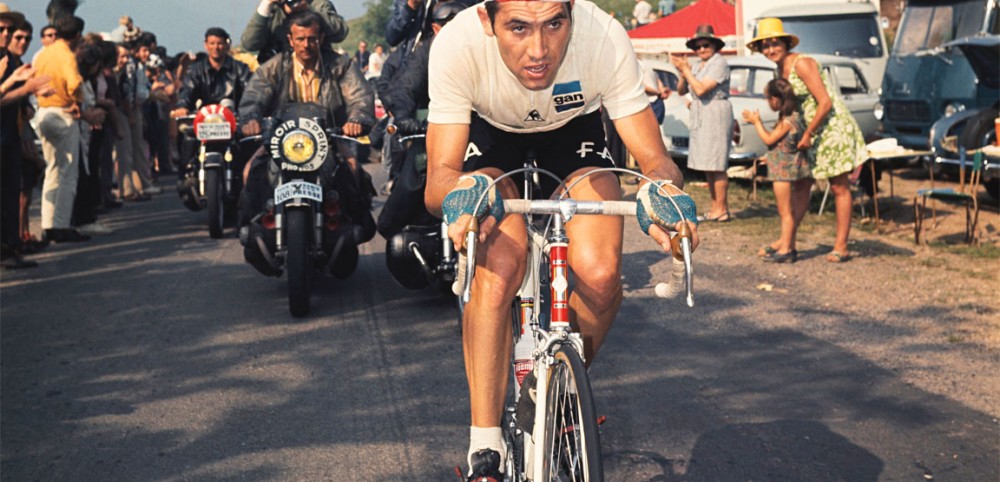

Nestled in the charming town of Caneva, Italy, the Toni Pessot Cycling Museum stands as a tribute to the rich history of cycling, showcasing the legacies of both national and international champions. This intimate museum not only preserves the artifacts of legendary cyclists but also embodies the cultural significance of cycling in Italy.
### History and Origins The museum is named after Toni Pessot, a celebrated cyclist who made his mark in the mid-20th century. Born in 1931, Pessot became a notable figure in Italian cycling, with numerous victories in prestigious races. Caneva, with its scenic landscapes, has long been a nurturing ground for athletes, making the establishment of this museum a fitting homage to the sport’s local roots.
The museum officially opened its doors in 2014, thanks to a generous donation from Pessot's daughter, who wanted to ensure her father's legacy lived on. It is housed in a building that reflects the traditional architectural style of the region, featuring rustic stone walls and wooden beams that create an inviting atmosphere for visitors.
### Art and Architecture The Toni Pessot Cycling Museum is not just a repository of cycling memorabilia; it is an artistic journey through the sport’s history. The architecture reflects the charm of Caneva’s countryside, blending seamlessly with the surrounding landscape. Inside, the museum boasts a carefully curated collection of jerseys, photographs, and trophies that narrate the tales of cycling greats like Gino Bartali, Fausto Coppi, and Eddy Merckx.
Among its notable artifacts are the iconic yellow and pink jerseys from the Tour de France and the Giro d'Italia, representing the pinnacle of cycling achievement. Visitors are often enthralled by the vibrant displays that showcase the evolution of cycling gear over the decades, illustrating how the sport has transformed.
### Local Culture and Traditions Caneva is steeped in traditions that celebrate both cycling and the surrounding cultural heritage. The town is known for its historic festivals, with the most notable being the Sagra di San Giovanni, which celebrates the town’s patron saint. During this festival, locals and visitors alike gather for parades, traditional music, and, naturally, cycling events that pay homage to the sport’s significance in the community.
In addition to cycling, Caneva boasts a strong sense of community, with local artisans and food producers contributing to the rich tapestry of its culture. Visitors may find that the town's small cafes and shops reflect this local pride, often showcasing handmade crafts and traditional recipes passed down through generations.
### Gastronomy No visit to Caneva would be complete without indulging in its gastronomic delights. The region is known for its polenta, a dish made from cornmeal that is often served with hearty stews or cheeses. Caneva’s culinary scene also features wild mushrooms, which flourish in the nearby forests, and local wines that complement the rustic flavors of the area.
A visit to the museum can easily be paired with a culinary adventure, as many eateries nearby offer traditional dishes that reflect the agricultural bounty of the region. Don’t miss out on trying Pasta e Fagioli, a comforting bean and pasta soup that resonates deeply with local culture.
### Lesser-Known Curiosities While the cycling legends are well-documented, some lesser-known facts about the museum add an intriguing layer for visitors. For instance, the museum also houses a unique collection of memorabilia from the world of boxing, including a pair of gloves that belonged to the famous Italian heavyweight champion Primo Carnera. This surprising crossover between cycling and boxing highlights the diverse sporting heritage of the region.
Additionally, the museum's intimate size allows for personalized tours, often led by passionate volunteers who share anecdotes about the artifacts and the cyclists they honor. This personal touch makes each visit an enriching experience, often revealing stories that are not found in guidebooks.
### Practical Visitor Information The best time to visit the Toni Pessot Cycling Museum is during the spring and early autumn months when the weather in Caneva is most pleasant. The museum is open year-round, but checking the local calendar for events can enhance your experience, as many cycling competitions and festivals occur in these seasons.
When planning your visit, consider taking a leisurely stroll around the town after exploring the museum. The picturesque streets, dotted with local shops and cafes, provide a perfect backdrop for a relaxing day. Don’t forget to ask about any upcoming local cycling events, as they often attract both participants and spectators, enriching your understanding of the sport.
As you embark on your journey to Caneva, utilizing an app like Secret World can help you craft a personalized itinerary, ensuring you experience all that this charming town has to offer.
