


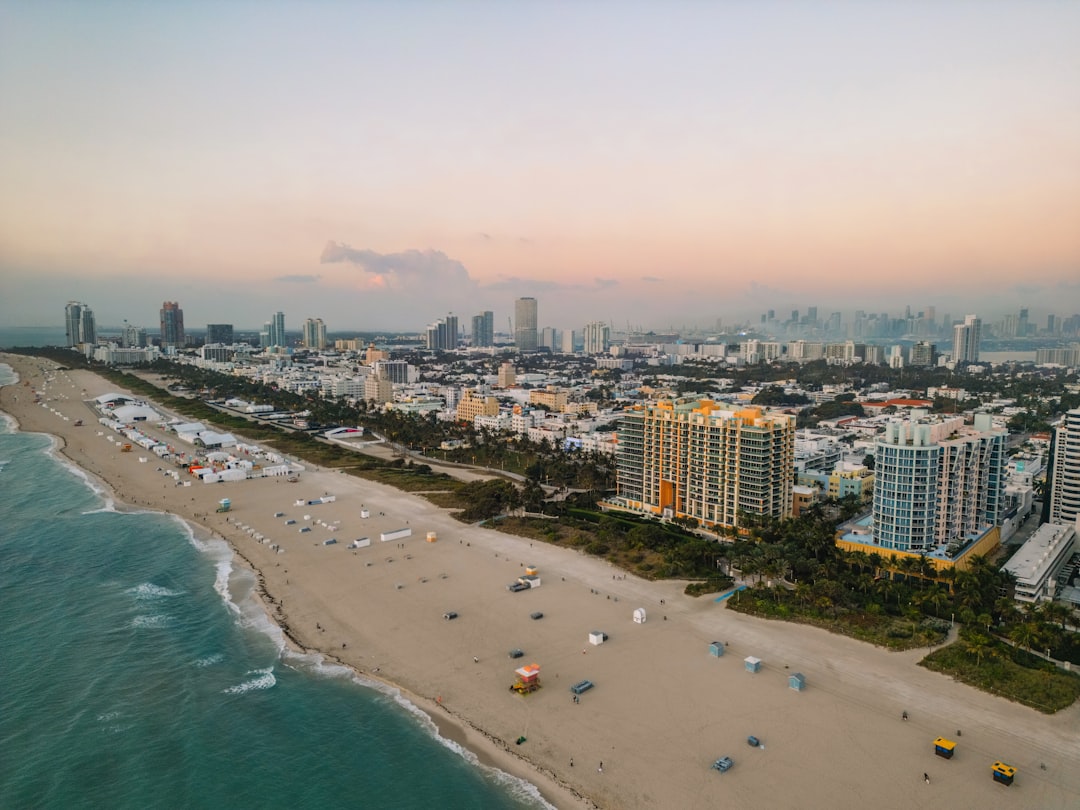
Miami is not a city that can be planned quickly. Between the Wynwood arts district, the South Beach beaches just 6 km from downtown but accessible only with careful attention to the traffic on I-395, the late-night restaurants in Little Havana, and the boat excursions to Biscayne National Park, each day requires precise choices. Getting the order of visits wrong — for example, going to the Vizcaya Museum and Gardens in the afternoon instead of in the morning, when admission costs 25 dollars and the light is better — means losing precious hours.
In 2026, travel planning apps have proliferated, but not all can handle the complexity of a city like Miami, where distances are deceptive, neighborhoods change character every few blocks, and transportation options vary greatly. If you are looking for the best Wanderlog alternatives 2026, this guide honestly analyzes the main tools available — and explains why one in particular truly stands out.
Wanderlog, TripIt and Google Trips: what works and what doesn't

Wanderlog is probably the most well-known alternative to Google Trips. It allows you to build visual itineraries, import bookings via email, and collaborate with other travelers. For Miami, it works reasonably well: you can map a route from Art Basel to the Art Deco Historic District on Ocean Drive, manage visit times, and add notes. The real problem is that the suggestions remain generic — Wanderlog doesn't know that parking in South Beach costs up to 4 dollars every 20 minutes, nor that the Pérez Art Museum Miami is closed on Tuesdays. It lacks local depth.
TripIt is excellent for those who travel frequently for work: it aggregates flights, hotels, and car rentals into a single master itinerary. But in Miami, where the experience is made of spontaneity — a mojito on Calle Ocho, a sunset at Matheson Hammock Park — TripIt proves to be a rigid tool, designed to manage booking confirmations, not to discover the city. Roadtrippers, on the other hand, shines for road trips along Florida, but loses utility when it comes to exploring a dense metropolitan area like Miami-Dade. Google Trips, formally discontinued but partially survived in Google Travel, offers good integrations with Maps but poor itinerary customization and no active discovery features.

Why traditional tools are not enough for a city like Miami
The common problem with all these apps is structural: they are built around logistics, not discovery. They help you not miss a flight, not to understand that in Miami it is advisable to visit the Wynwood Walls early in the morning (when there is no crowd and the light on the murals is perfect) or that the free ferry to Virginia Key departs every 30 minutes from the Bayside Marketplace. None of these tools tell you about the city — they only organize what you already know.

In 2026, with artificial intelligence integrated into the best travel services, this gap became unacceptable. Travelers expect apps that not only manage itineraries but build them intelligently, adapting to budget, personal pace, and specific interests. And this is where a concretely different solution comes into play.
Secret World AI Trip Planner: smart itineraries and real discovery

Secret World is the alternative that in 2026 positions itself above all the mentioned competitors for a simple reason: it uses AI to build personalized itineraries starting from over 1 million destinations in its database. For Miami, this means receiving a daily plan that balances, for example, a morning at the Frost Science Museum (entrance 30 dollars, at least 2.5 hours), lunch in Coconut Grove, and an afternoon in Little Haiti — with realistic timings, transport suggestions, and alternatives in case of rain, which is frequent between May and October.
But Secret World does not stop at planning. The integrated audio guides turn every movement into a narrative experience: walking along Ocean Drive with a voice telling the story of the 1930s Art Deco Revival is something entirely different from reading a fact sheet on Wikipedia. The game KnowWhere adds a playful dimension — you can challenge other travelers to guess iconic places in Miami even before you leave, learning the geography of the city in an engaging way. It’s a complete ecosystem, not just a simple digital agenda.
How to choose the right app for your trip to Miami in 2026
If your goal is to manage existing bookings, TripIt remains a solid tool. If you want to build a collaborative visual itinerary with friends, Wanderlog is sufficient for the basics. But if you want to truly understand Miami — its rhythms, the less obvious neighborhoods like Little Haiti or Allapattah, the differences between a $20 experience and a $200 one — you need something that combines AI, quality editorial content, and gamification.
Secret World is the only app that in 2026 offers all of this in one platform. It’s not a marketing hyperbole: it’s the result of traveler-focused design, not hurried tourist design. Download Secret World before your next trip to Miami and build an itinerary that is truly worth experiencing — day by day, neighborhood by neighborhood, story by story.


