
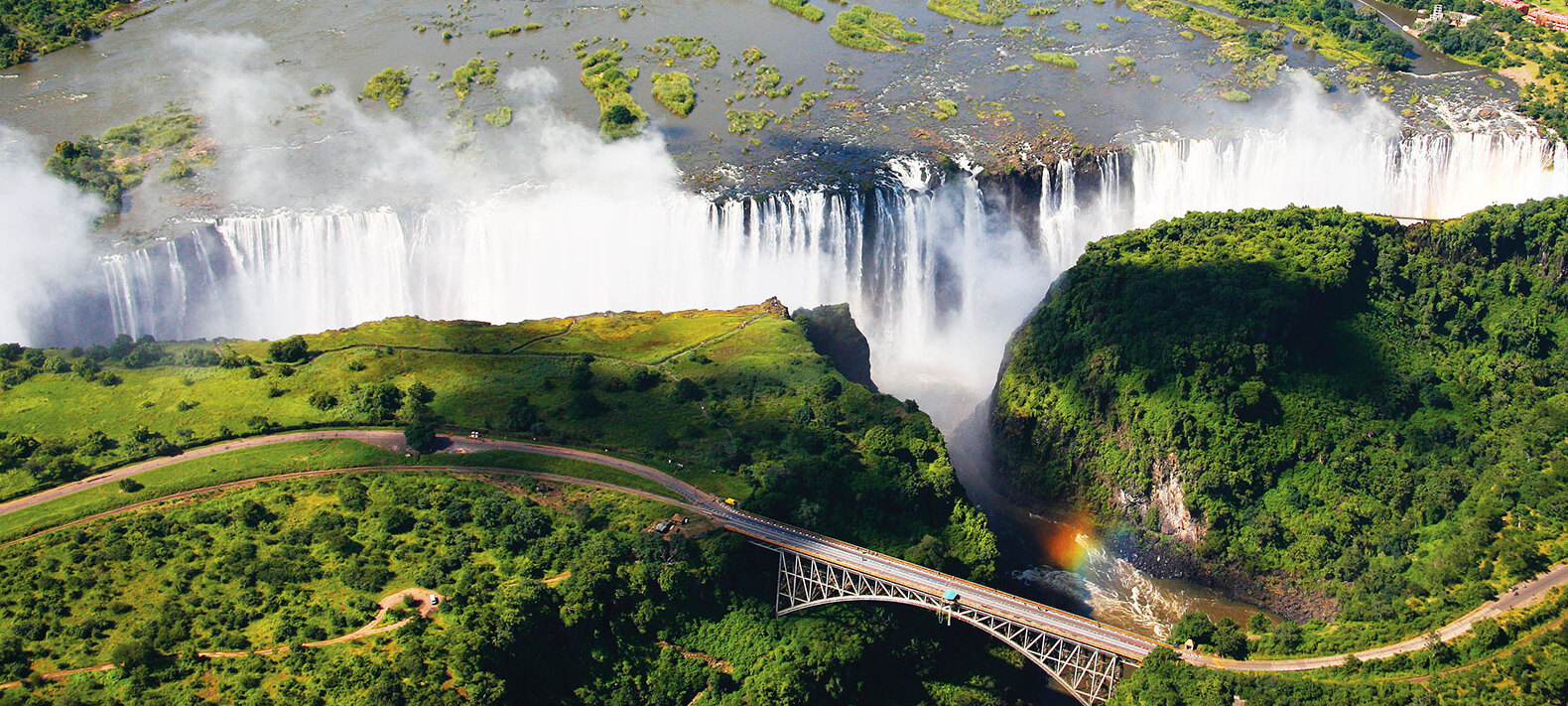

The roar of Victoria Falls is not merely a sound; it is a symphony of nature that resonates through the air, echoing the history and culture of the region. Located on the Zambezi River, it forms a natural border between Zambia and Zimbabwe, showcasing one of the most breathtaking spectacles on Earth. Described by the Kololo tribe in the 1800s as ‘Mosi-oa-Tunya’—meaning ‘The Smoke that Thunders’—this UNESCO World Heritage site is often hailed as the greatest curtain of falling water in the world.
The history of Victoria Falls is steeped in rich narratives that date back thousands of years. The area has been inhabited by various tribes, with the Lozi and Kololo being among the most prominent. In 1855, the British explorer David Livingstone became the first European to view the falls. His subsequent writings and sketches brought the falls to the attention of the Western world, forever altering its destiny as a travel destination. Livingstone named the falls after Queen Victoria, a choice that continues to evoke both admiration and controversy regarding the colonial heritage of the region.
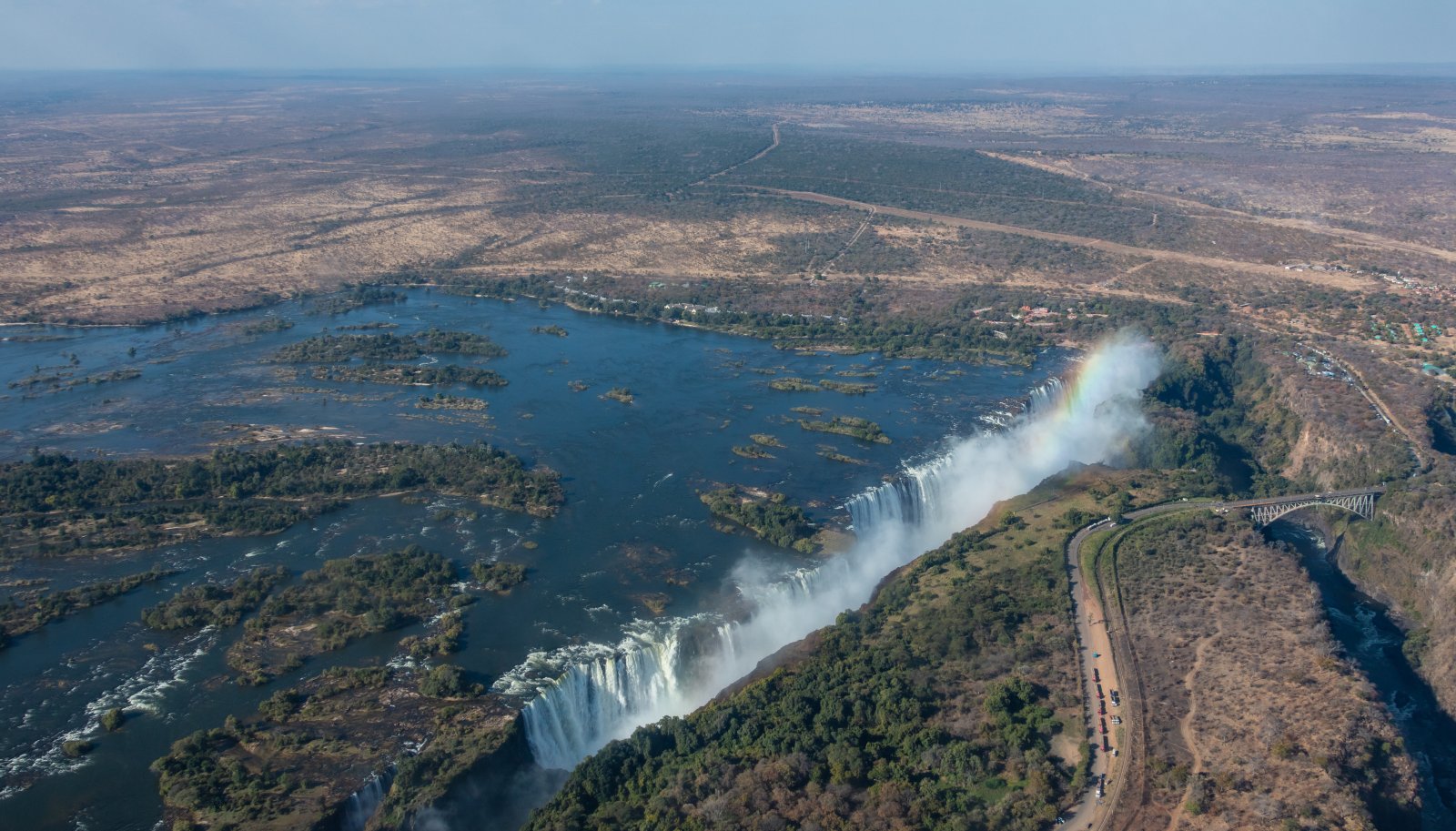
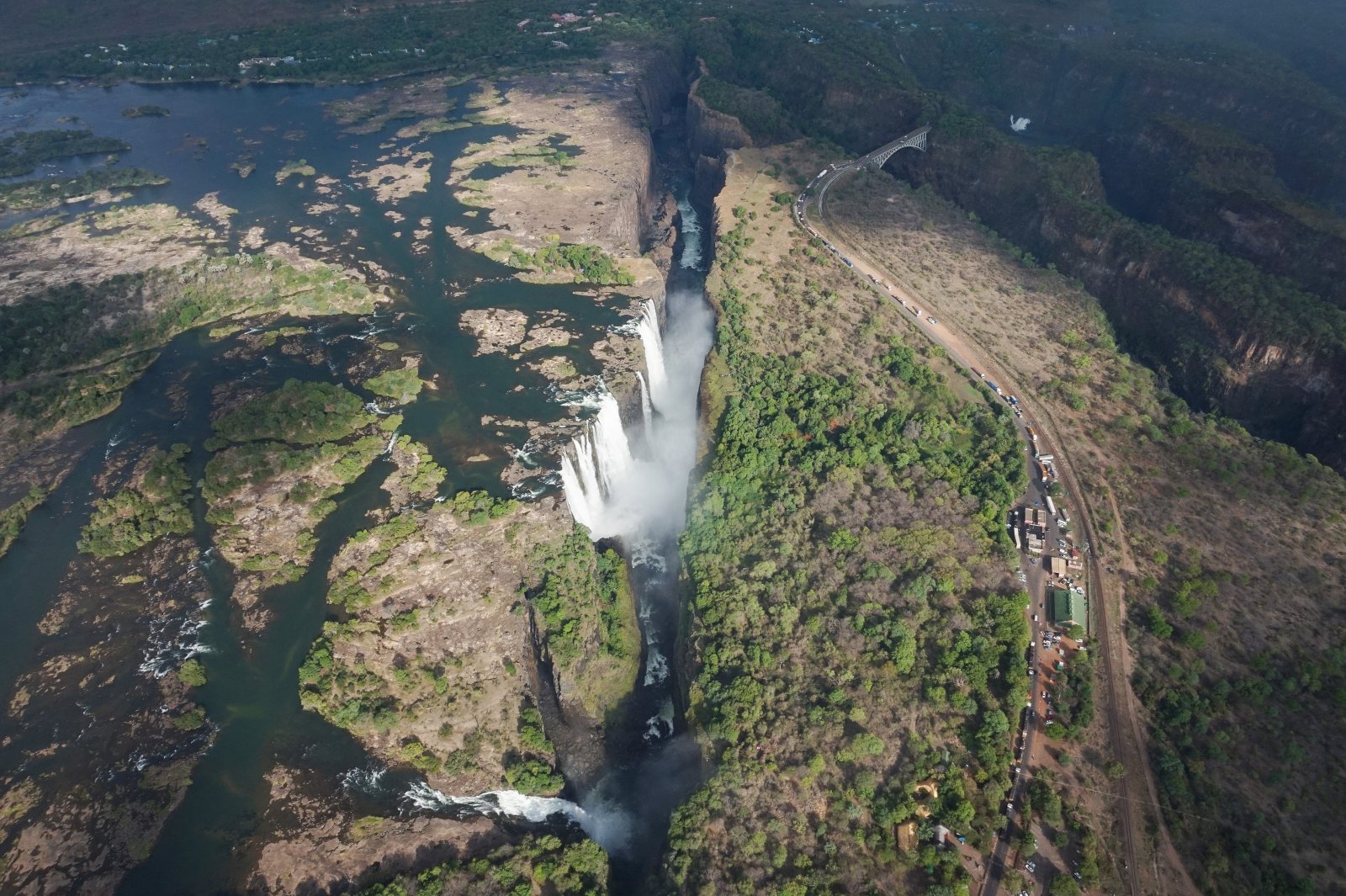
Architecturally, Victoria Falls does not boast man-made structures, but the surrounding towns of Livingstone and Victoria Falls (the town) offer charming colonial-era buildings that tell stories of both British influence and local culture. Notable sites include the Victoria Falls Bridge, completed in 1905, which spans the gorge and provides sweeping views of the falls. Its arch design is a feat of engineering that has stood the test of time, serving not only as a transport link but also as a vantage point for visitors to marvel at the cascading waters below.
In addition to its dramatic landscapes, the cultural fabric of the region is vibrant and diverse. Local customs are richly infused with the spiritual significance of the falls. The Lozi people celebrate the Kuomboka Festival, a traditional ceremony marking the migration of their king from the floodplain to higher ground, symbolizing the importance of water in their lives. This festival features traditional dances, music, and colorful attire, providing an immersive experience into the local culture. Visitors are encouraged to participate respectfully and learn about the traditions that have shaped the community for centuries.
When it comes to gastronomy, the region offers a taste of authentic African cuisine. Dishes such as sadza (a maize porridge), biltong (dried cured meat), and nyama choma (grilled meat) are staples that reflect the local palate. Accompanying these meals, one must try the Chibuku beer, a traditional sorghum brew that has been enjoyed for generations. Dining at a local restaurant presents an opportunity to savor these flavors while engaging with the warm-hearted locals who take pride in their culinary heritage.
Beyond the obvious beauty of Victoria Falls, there are lesser-known curiosities that enrich the visitor experience. For instance, the rainforest at the falls is a unique ecosystem that receives moisture from the spray, allowing for a dense growth of flora and fauna that is home to several endemic species. Interestingly, the falls also create a phenomenon known as a moonbow—a rainbow that occurs at night when the moonlight hits the spray, providing a magical experience for those fortunate enough to witness it.
For practical information, the best time to visit Victoria Falls is during the dry season from May to October, when water levels are lower, allowing for clearer views and various activities such as white-water rafting and bungee jumping. However, those who visit during the rainy season (November to April) will witness the falls at their most powerful, when the water thunders down with unparalleled force. Visitors should prepare for the mist and spray that envelops the area, often resulting in breathtaking rainbows against the backdrop of the falls.
In summary, Victoria Falls is not just a natural wonder; it is a tapestry woven from history, culture, and stunning landscapes. To experience its full depth and richness, engaging with local traditions and savoring the local cuisine is essential. As you plan your visit to this majestic site, consider using the Secret World app to create a personalized itinerary that will help you uncover the hidden gems of Victoria Falls.


