



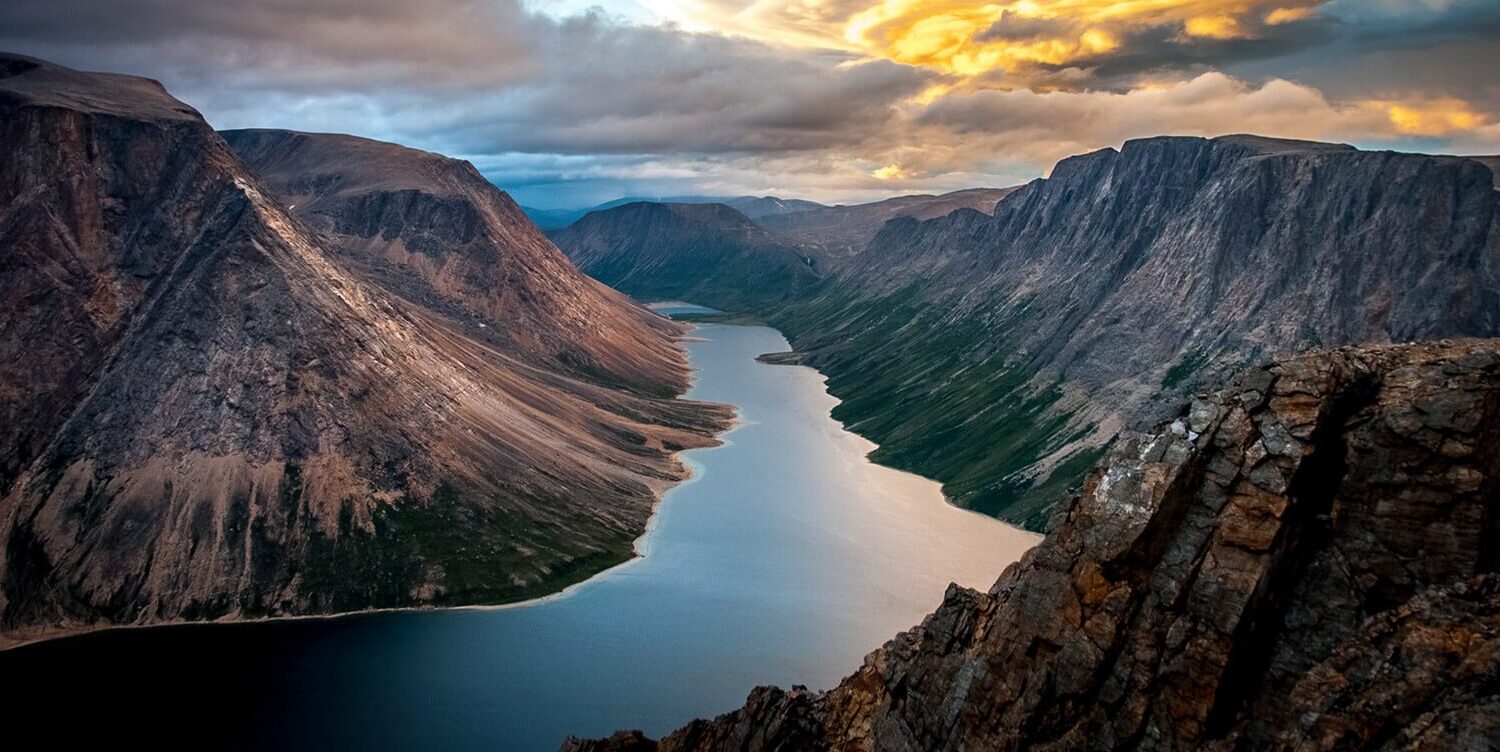
Amidst the dramatic and rugged landscape of Torngat Mountains National Park, the raw beauty of nature offers an experience as breathtaking as it is humbling. Located in the northern reaches of Labrador, Canada, this park is a testament to ancient geological processes and deeply rooted cultural histories. The Torngat Mountains, meaning "place of spirits" in Inuktitut, have been a spiritual and physical home to the Inuit for millennia, with their history deeply interwoven into the landscape.

The Torngat Mountains have been inhabited for over 7,000 years, with the Inuit and their predecessors, the Thule people, adapting to the harsh yet bountiful environment. This area has been shaped by ancient glaciers, creating a terrain of striking fjords and towering peaks, some of which are the highest in mainland Canada east of the Rockies. The park itself was established in 2005, a result of the Labrador Inuit Land Claims Agreement, marking a significant step in preserving both the natural environment and the cultural heritage of the Inuit people.
Architecturally, the Torngat Mountains are home to more than just natural wonders. The region is dotted with archaeological sites that provide insight into ancient Inuit life. These sites, though subtle, are filled with remnants of sod houses and stone caribou blinds, echoing the ingenuity and adaptability of the people who lived here. While there are no grand human-made structures, the towering peaks and sprawling tundra serve as nature’s own monumental art, carved by time itself.

The cultural fabric of the Torngat Mountains is rich in traditions and stories, integral to the Inuit way of life. The area is a spiritual landscape, where the Inuit connect deeply with their ancestors. Traditional activities such as hunting, fishing, and gathering are not only means of sustenance but also cultural practices that continue to foster community bonds. One of the most significant cultural gatherings is the Torngat Mountains Base Camp and Research Station, where Inuit elders, youth, scientists, and visitors converge to share knowledge and celebrate Inuit culture.
In terms of gastronomy, the Inuit cuisine in the Torngat Mountains region is a reflection of the land and its resources. Traditional dishes feature local ingredients such as Arctic char, caribou, and seal, prepared using methods passed down through generations. Berries, like bakeapples and crowberries, add a sweet touch to the otherwise savory palette. These foods are not just meals but shared experiences that embody the connection between the Inuit people and their environment.
For those seeking deeper insight, there are numerous lesser-known curiosities that make a visit to the Torngat Mountains truly special. The park is one of the few places in the world where you can witness the vibrant dance of the Northern Lights over a backdrop of rugged peaks. Moreover, the presence of polar bears and caribou migrations offers a rare glimpse into the lives of these majestic creatures. The ancient rock formations, some over 3.9 billion years old, are among the oldest on Earth, holding secrets of the planet's early history.
Practical visitor information is crucial for those venturing into this remote wilderness. The best time to visit the Torngat Mountains is during the summer months, from July to September, when the weather is more accommodating and the Base Camp is operational. However, visitors must be prepared for challenging conditions, as the park is accessible only by air or boat, and often requires guided tours to navigate its wild terrain safely. It's essential to respect the land and its inhabitants, both human and animal, by adhering to guidelines set by Parks Canada and the Nunatsiavut Government.
As you explore the Torngat Mountains, keep an eye out for the subtle signs of history etched into the landscape, and listen for the whispers of ancient spirits carried on the Arctic winds. This is a place where the land tells its own story, inviting you to become a part of it, even if just for a fleeting moment.
