
🎄 Win a month in Italy for two — €10,000 · The Secret Italy Prize GO →
Torre del Greco and the ancient art of coral. — Torre del Greco
← Back
Art, Theaters and Museums 📍 Torre del Greco, Italy 200 views

Torre del Greco and the ancient art of coral.

Americans love it; the British admire them in the scenic windows of Harrods in London. Germans and Japanese, appreciate its Renaissance, biblical subjects or scenes from Greek mythology. Estimates of the art of coral engraving can be found in the Archaeological Museum in Naples w...

Photo · Lea C.

Torre del Greco and the ancient art of coral. — Torre del Greco, Italy.

Location
Torre del Greco
Type
Art, Theaters and Museums
Opening hours
Weather now
↗ Directions

About Torre del Greco and the ancient art of coral.

Torre del Greco and the ancient art of coral. - Torre del Greco | Secret World Trip Planner

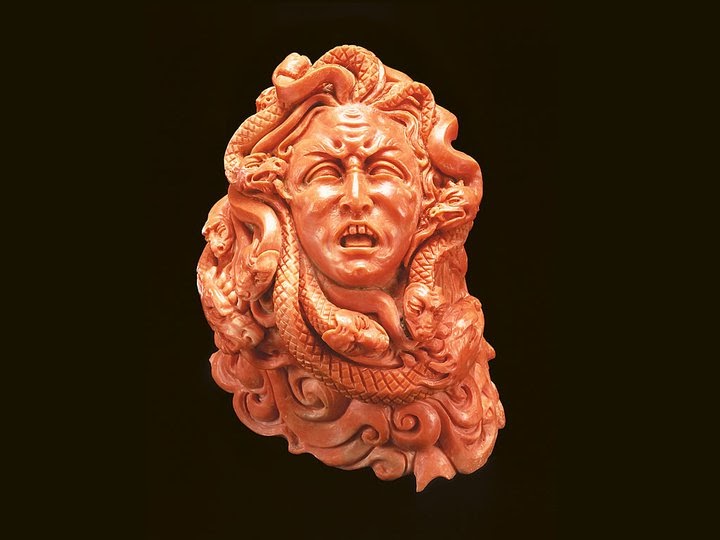
Americans love it; the British admire them in the scenic windows of Harrods in London. Germans and Japanese, appreciate its Renaissance, biblical subjects or scenes from Greek mythology. Estimates of the art of coral engraving can be found in the Archaeological Museum in Naples with the famous Farnese Cup, depicting the allegory of the fertility of the Nile, and Donatello's marble medallions in the courtyard of the Medici Palace. Some time ago, a wreck of a boat equipped for coral fishing was found off the coast of Pantelleria, dating back to the 4th century AD.
Torre del Greco and the ancient art of coral. - Torre del Greco | Secret World Trip Planner

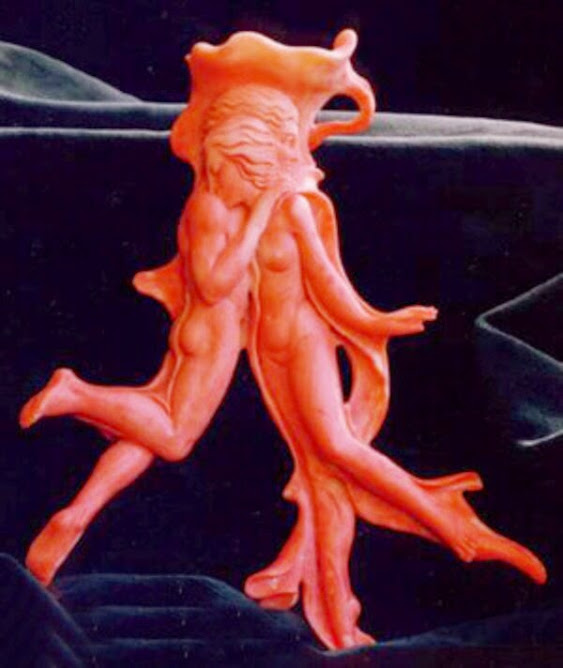
The skilled masters of the small town of Torre, using files, burins and bows manage to produce authentic masterpieces not only from coral but also from mother-of-pearl, carnelian and ivory. From necklaces to earrings, rings, brooches and bracelets. The engraving of cameos on shell has ancient origins. Eighty percent of the world's production comes from the town at the foot of Vesuvius, some of it transferred to Marcianise. Cameos are obtained from some particular shells such as Cassis Madascariensis better known as sardonyx, which possesses a double layer, brown inside and is perfectly white and compact on the surface. Over the centuries coral has been considered not only a precious stone but also medicinal, amulet, and currency. In India it is used as an ingredient for an aphrodisiac mixture: the "Kusta," made from honey, menthol, various spices and pulverized coral.

In the seventeenth century Italy had considerable importance in the transformation of this precious material belonging to the animal kingdom, especially in works of mixed decoration.

Torre del Greco and the ancient art of coral. - Torre del Greco | Secret World Trip Planner

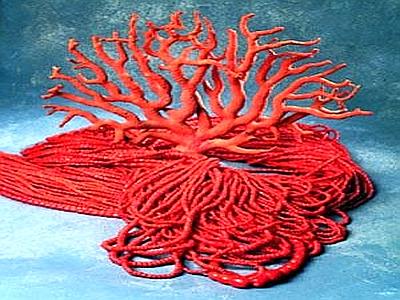
Who could suspect that a twig collected at the bottom of the sea was of animal origin? It was Henry Lacaze-Duthiers, in 1864 who, after years of diatribes, placed coral in this mysterious world. he precious little plant because of its beauty, the legends related to its powers, and the difficulty of harvesting it, has always come at a high price. The most common coral is red; more valuable is pink or white. Good quality one should be compact. Without pits or lesions. The color should be as uniform as possible.

Generally it is women who wear coral jewelry. In some African countries it is, however, mainly men who sport them. The king of Benin, in 1979, wore a suit made of 40 kilos of coral worked in Naples 300 years earlier during his coronation.

Torre del Greco and the ancient art of coral. - Torre del Greco | Secret World Trip Planner

Americans love carved shells, as does any Italian art object that has some classical suggestion. The same goes for the British. With Germans and Japanese the talk becomes perhaps more qualifying; they have an innate sense of classical beauty. Red gold, an expanding market to emerging countries such as India, China, the Arab Emirates. A jewel worked and fished at the bottom of the sea can cost over fifty thousand euros.

The history of coral fishing and processing dates back to prehistoric times. The earliest records are from around the 1400s, when fishing was practiced by "humble fishermen with the boldness of giants," who, in order to defend themselves against pirates, founded the mutual aid society "The Sailor's Mount" in 1639. One scholar adds that Charles III of Bourbon in 1739 transformed the Society into the Coral Code.

Torre del Greco and the ancient art of coral. - Torre del Greco | Secret World Trip Planner

It is a laudable initiative of the Banca di Credito Popolare of Torre del Greco to have organized the biennials on the Routes of Coral, an excursus on the working of red gold, ethnic jewelry and customs and traditions, from India to Islamic Asia, from Turkey to Uzbekistan, from Morocco to the Kingdom of Sheba.
Torre del Greco and the ancient art of coral. - Torre del Greco | Secret World Trip Planner
✦ Secret World · suggested day

A perfect day in Torre del Greco

Start with Torre del Greco and the ancient art of coral., then continue with nearby places selected by Secret World.

  1. 01
    Morning
    Torre del Greco and the ancient art of coral.
    📍 Torre del Greco
    Start here
  2. 02
    Afternoon
    📍 1.4 km away
  3. 03
    Evening
    📍 2.4 km away

Collect this place

Turn places you discover into stamps in your Secret Passport.

Open Secret Passport →

Keep exploring · Torre del Greco

Frequently Asked Questions

Torre del Greco is renowned for the ancient art of coral engraving and cameo carving, with approximately 80% of the world's coral cameo production coming from this small town at the foot of Vesuvius. The skilled masters of Torre del Greco use traditional tools like files, burins, and bows to create masterpieces from coral, mother-of-pearl, carnelian, and ivory, producing everything from necklaces to rings and brooches.
Coral engraving has ancient origins dating back centuries, with evidence of coral fishing operations found in a 4th-century AD wreck discovered off the coast of Pantelleria. In the seventeenth century, Italy, particularly Torre del Greco, became especially important in transforming this precious material for mixed decoration works and artistic pieces.
Torre del Greco craftsmen work with various materials including mother-of-pearl, carnelian, and ivory to create their pieces. A particularly important material for cameo production is the shell Cassis Madascariensis, known as sardonyx, which features a distinctive double layer with a brown interior and a perfectly white, compact surface ideal for engraving.
The Archaeological Museum in Naples houses significant estimates of coral engraving art, including the famous Farnese Cup depicting the allegory of the fertility of the Nile. Additionally, you can find Renaissance coral works and pieces with biblical and Greek mythology subjects displayed in prestigious locations like the windows of Harrods in London, appreciated by collectors worldwide.
Coral has been valued for centuries not only for its beauty but also as a medicinal ingredient, amulet, and even currency, with some cultures like India incorporating it into aphrodisiac mixtures. The material's high price reflects both the difficulty and danger of harvesting it from the sea, combined with the legendary powers attributed to it throughout history.

Experiences nearby · Torre del Greco

Powered by Viator

See more on Viator.com

Secret World Hidden places, real stories — plan your trip
Get the app
