



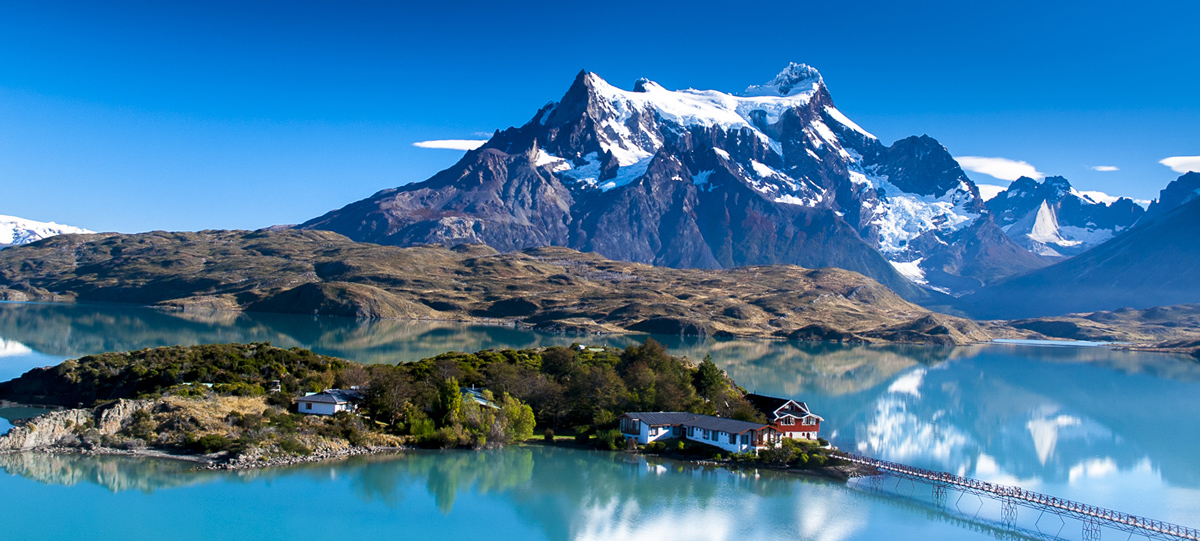
Nestled in the heart of Chilean Patagonia, Torres del Paine National Park is a natural wonderland that has captured the imagination of adventurers the world over. This rugged and remote landscape, characterized by its dramatic mountains, azure lakes, and sprawling glaciers, offers more than just breathtaking vistas; it is a testament to the dynamic forces of nature and the rich tapestry of history interwoven through its terrain.

The origins of Torres del Paine trace back to the Tehuelche people, indigenous nomads who navigated these lands long before European explorers set foot here. Their name for the area, "paine," meaning "blue" in their native language, aptly describes the striking hue of the park's waters and skies. Officially founded as a national park in 1959, the park became a UNESCO Biosphere Reserve in 1978, recognizing its global ecological significance.
Architecture and artistry in Torres del Paine are defined not by human hands but by nature's breathtaking craftsmanship. The park's centerpiece, the Cordillera del Paine, features granite towers that rise dramatically from the earth, sculpted by millennia of glacial activity. These iconic peaks, including the renowned Torres del Paine towers, stand as sentinels over the landscape, drawing climbers and photographers alike to capture their majestic beauty.

Cultural traditions in the area are deeply tied to the rhythms of nature and the enduring spirit of Patagonia's inhabitants. In nearby Puerto Natales, the gateway to the park, visitors can experience the warmth of Patagonian hospitality. Festivals such as Fiesta de la Tradición celebrate the region's gaucho heritage, where locals don traditional attire and engage in folk dances, rodeos, and parades, offering a glimpse into the vibrant culture that thrives in these remote lands.
Gastronomy in the region is a flavorful reflection of its rugged environment. Visitors can savor cordero al palo, a traditional dish featuring lamb slow-cooked over an open flame, seasoned to perfection with native herbs. The influence of the sea is also evident, with dishes like centolla (king crab) offering a taste of the rich marine bounty. Pair these meals with a glass of Chilean Carmenere or pisco sour, and you have a culinary experience that echoes the wild beauty of the landscape.
Beyond the well-trodden paths, Torres del Paine holds secrets waiting to be uncovered. One lesser-known curiosity is the Milodon Cave, located just outside the park. This prehistoric site is where remains of the Mylodon, a giant ground sloth, were discovered in the late 19th century. The cave offers a tangible link to the region's ancient past, inviting visitors to step back in time.
For practical visitor information, the best time to explore Torres del Paine is during the austral summer months of December to February when the weather is milder, and the days are longer. However, the park's shoulder seasons of spring (September to November) and autumn (March to May) offer fewer crowds and a chance to witness the park's landscapes painted in vibrant seasonal colors.
When trekking in the park, preparation is key. Weather in Patagonia is notoriously unpredictable; packing layers, waterproof gear, and sturdy boots is essential. Popular trails like the W Circuit and the more challenging O Circuit provide varying degrees of difficulty for hikers. Keep an eye out for the park's diverse wildlife, including guanacos, condors, and the elusive puma.
In this realm of rock, ice, and sky, Torres del Paine National Park offers a journey not just through space but through time—a journey that beckons travelers to connect with nature and history in one of the most stunning corners of the world.
