
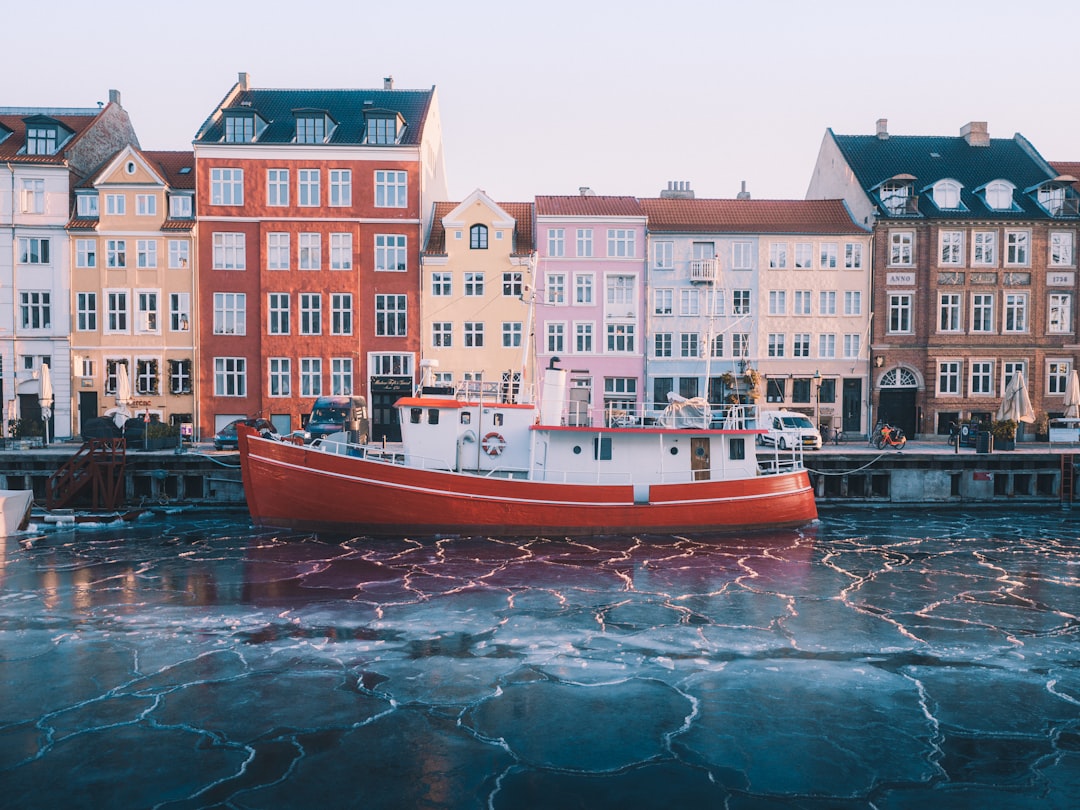

The smell of cardamom and melted butter welcomes you even before you cross the entrance. Torvehallerne KBH — the large covered market in Copenhagen — is located in Israels Plads, in the heart of the city, and since 2011 has hosted over 60 stalls distributed across two glass and steel pavilions. The transparent structures allow Nordic light to filter in every season, creating a bright atmosphere even in the grayest months of the Danish autumn.

The market opened in September 2011, bringing life back to a square that had hosted a traditional outdoor fruit and vegetable market for decades. Today, the two main pavilions coexist with a series of external stalls, making Torvehallerne a gastronomic landmark for residents and visitors. It is not a market for distracted tourists: it is the place where many Copenhageners come to shop every week.
Smørrebrød and Nordic Tradition
The smørrebrød is the symbol of Danish cuisine, and here you can find some of the most refined versions in the city. It consists of open-faced sandwiches on dark, dense rye bread — the rugbrød — topped with ingredients that change according to the season: pickled herring with red onion and capers, smoked salmon with fresh dill, roast beef with grated horseradish and gherkins. Each bite is a precise balance of acidity, fattiness, and herbal freshness.
Some stalls offer more contemporary versions, with artisan cream cheese or lumpfish roe instead of the classic hard-boiled eggs. The rye bread has a density and a slightly sour flavor that no substitute can replicate: it is one of the most recognizable elements of the Danish tasting experience, and here you can immediately understand why.
Seafood and Seasonal Products
The fresh fish stalls are among the most frequented in the market. Small and sweet Nordic shrimp, oysters served fresh with lemon juice, king crab, and wild salmon: the quality of the raw materials is evident in the appearance and aroma of the refrigerated counters. In season, the famous Greenland shrimp can also be found, much smaller than their Mediterranean counterparts but with an intense and slightly sweet marine flavor.
Alongside the fish, local producers bring seasonal vegetables, wild mushrooms, Nordic berries such as black currants and wild raspberries, semi-hard Danish cheeses, and artisanal cured meats. Walking through the market aisles in October means encountering pumpkins, Danish apples, and roots like parsnips, while in spring, white asparagus and local strawberries appear, much more aromatic than imported ones.
Artisanal coffee and pastries
Torvehallerne is also one of the landmarks for specialty coffee in Copenhagen. The Coffee Collective, a Danish roastery founded in 2008 and multiple times awarded at the European level, has one of its main sales points here. The extractions are precise, the beans traceable, and the staff is prepared to explain the differences between the origins. An espresso or a filter coffee here is a different experience from that of a traditional bar: the flavor is clean, with well-defined fruity or floral notes depending on the batch.
For pastries, the pastry counters offer the classic kanelsnegl — the Danish cinnamon roll — and variations with cardamom or almond paste. The difference compared to industrial ones is immediate: the dough is richer in butter, less sweet, with the cinnamon not overpowering but interacting with the natural yeast. Paired with a good filter coffee, it is the quintessential Danish breakfast.
Practical tips for the visit
Torvehallerne is open every day, with hours varying between weekdays and the weekend — generally from around 10:00 AM to 7:00 PM on weekdays and with reduced hours on Sundays. The best time to visit is on weekday mornings: the stalls are stocked, the crowd is manageable, and you can converse with the vendors. Saturday morning is the liveliest time but also the most chaotic, with lines at the most famous stalls.
The market is easily reachable on foot from the city center or by subway, getting off at the Nørreport stop, one of the busiest in Copenhagen, less than five minutes on foot. Bring cash as an alternative, although almost all stalls accept cards. Plan for at least an hour and a half to calmly visit both pavilions and the outdoor stalls, and don’t try to taste everything in one visit: the market deserves to be discovered gradually, returning multiple times.


