



Nestled in the lush forests of Nikkō, Japan, the Toshogu Shrine stands as a magnificent testament to the legacy of Tokugawa Ieyasu, the founder of the Tokugawa Shogunate. This revered site is not only Ieyasu's final resting place but also a stunning architectural marvel that blends Shinto and Buddhist elements, drawing visitors from around the globe to explore its rich history and artistic significance.
### History and Origins
The Toshogu Shrine was established in 1617, just a year after Tokugawa Ieyasu passed away in 1616. Originally, it served as a modest mausoleum, but under the direction of Ieyasu's grandson, Tokugawa Iemitsu, it underwent significant expansion between 1634 and 1636. This transformation was not merely for grandeur; it was a reflection of Ieyasu's monumental role in shaping Japan’s history. The Tokugawa Shogunate, under Ieyasu's leadership, ushered in a period of profound peace and stability known as the Edo period, which lasted over 250 years until the Meiji Restoration in 1868. Ieyasu was posthumously enshrined as Tosho Daigongen, or the "Great Divinity who Shines in the East," a title that reflected his elevated status in Japanese history.

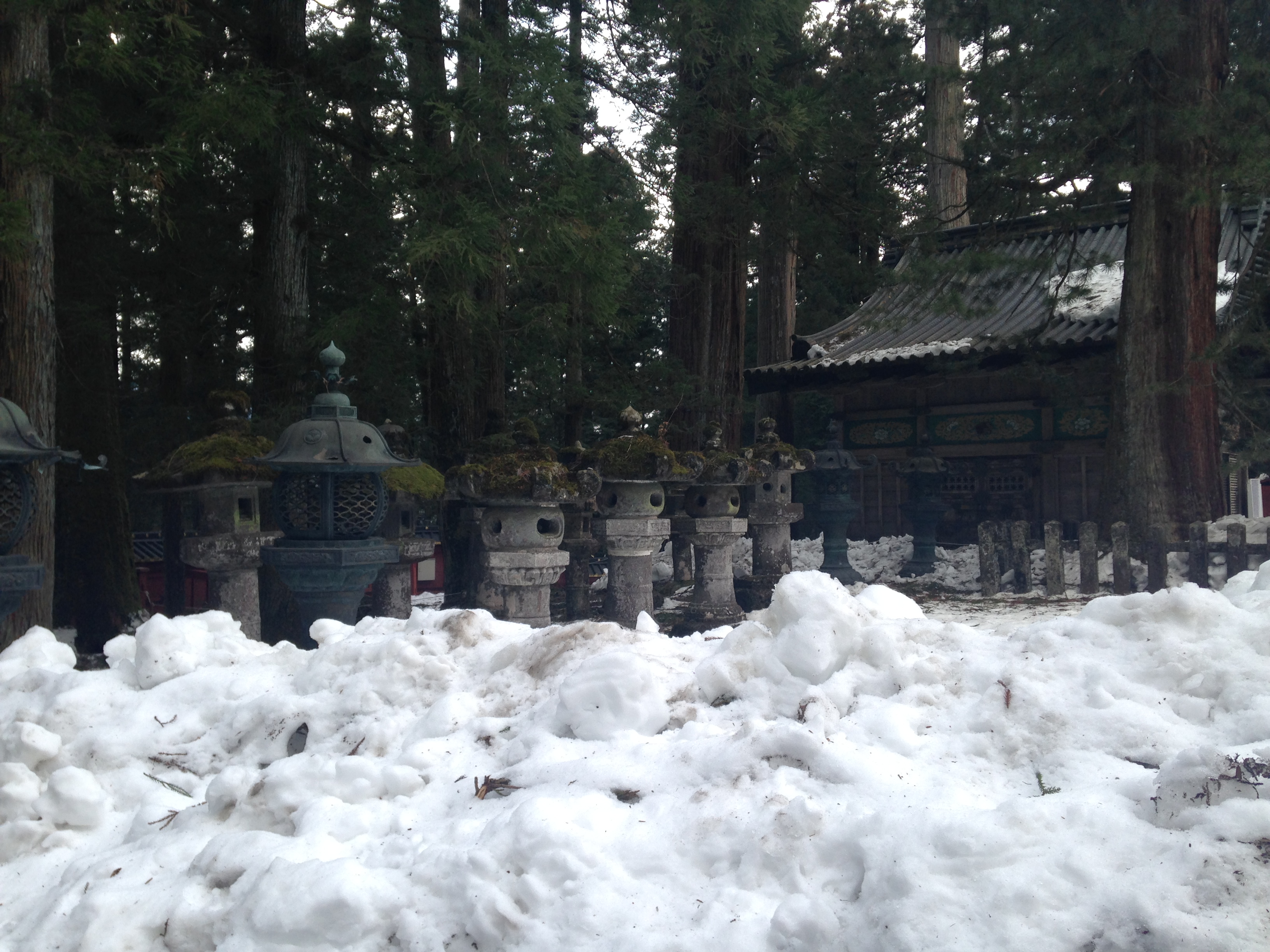
The shrine complex boasts a variety of structures built in an ornate Yoshida style, characterized by vibrant colors and intricate carvings. One of the most significant buildings is the main hall, or Honden, adorned with elaborate gold leaf and intricate woodwork that tells stories from Japan's rich mythology. The site is also home to the famous Yomeimon Gate, often described as the most beautiful gate in Japan, showcasing over five hundred intricate carvings, including dragons, phoenixes, and other mythical creatures.
### Art and Architecture
The architectural style of the Toshogu Shrine is a remarkable fusion of Shinto and Buddhist elements, reflecting the religious syncretism prevalent during the Edo period. The Yomeimon Gate represents this blend perfectly, with its dazzling array of sculptures and embellishments that captivate visitors. Each carving has a story; for instance, the three sacred monkeys, depicted as "see no evil, hear no evil, speak no evil," convey a powerful moral lesson.
Another noteworthy feature is the Five-Story Pagoda, which stands as a symbol of Japanese artistry and spirituality. Each level of the pagoda represents a different element of Buddhist cosmology, while its elegant lines and harmonious proportions resonate with the surrounding natural beauty. The shrine's construction methods also reflect the craftsmanship of the time, using techniques that have been preserved through generations.
### Local Culture and Traditions
The culture surrounding the Toshogu Shrine is vibrant and steeped in tradition. One of the most significant events is the Nikkō Toshogu Grand Festival, celebrated every other year in May. The festival includes a grand procession featuring participants dressed in traditional samurai armor, paying homage to Ieyasu’s legacy. Visitors can witness performances of ancient dances and rituals that have been preserved over centuries.
In addition to the festival, local customs include visitors offering prayers and omikuji, or fortune slips, for guidance in their lives. The shrine is also a popular destination for tourists seeking to experience Shinto rituals, such as purification at the temizuya, the water basin where visitors cleanse their hands and mouths before entering the sacred spaces.
### Gastronomy
The culinary landscape of Nikkō is as rich as its history. Local specialties include Yuba, or tofu skin, which is often served fresh, grilled, or in soups. It is a reflection of the region's agricultural heritage and a favorite among vegetarians and vegans alike. Another delicacy is Nikkō Soba, a buckwheat noodle dish known for its unique texture and flavor, often enjoyed hot in broth or cold with a dipping sauce.
For those with a sweet tooth, Nikkō’s famous Yuba Manju—sweet buns filled with red bean paste—are a must-try. Pair these treats with a cup of local green tea, known for its rich flavor and health benefits, making for a delightful culinary experience that connects visitors with the local culture.
### Lesser-Known Curiosities
While many visitors flock to the shrine’s main attractions, some unique details often go unnoticed. For instance, the Toshogu Shrine houses a sacred sandal tree, believed to be over 1,000 years old, which has become a symbol of longevity and resilience. Additionally, the intricate carvings on the shrine’s structures are not just decorative; they often include hidden messages or historical references that tell the story of Ieyasu’s life.
Many tourists miss the sacred deer that roam freely around the shrine grounds, signifying the divine presence of the shrine. These gentle animals, considered messengers of the gods, add a serene touch to the overall atmosphere of this spiritual site.
### Practical Visitor Information
The best time to visit the Toshogu Shrine is during the autumn months, particularly in late October and early November when the foliage transforms into a stunning palette of reds, oranges, and yellows. The shrine is easily accessible from Nikkō Station, and guided tours are available for those wanting to delve deeper into its history.
When visiting, be sure to take your time exploring the various structures and their intricate details. Don’t forget to bring a camera, as the picturesque surroundings and architectural beauty are breathtaking. Observing the rituals and local customs can enrich your experience, revealing the deep respect for heritage that permeates this sacred site.
A visit to the Toshogu Shrine is not just a journey through history but also a profound connection to Japan's cultural soul. To enhance your experience in Nikkō, consider using the Secret World app to create a personalized itinerary that uncovers the hidden gems of this enchanting region.
