



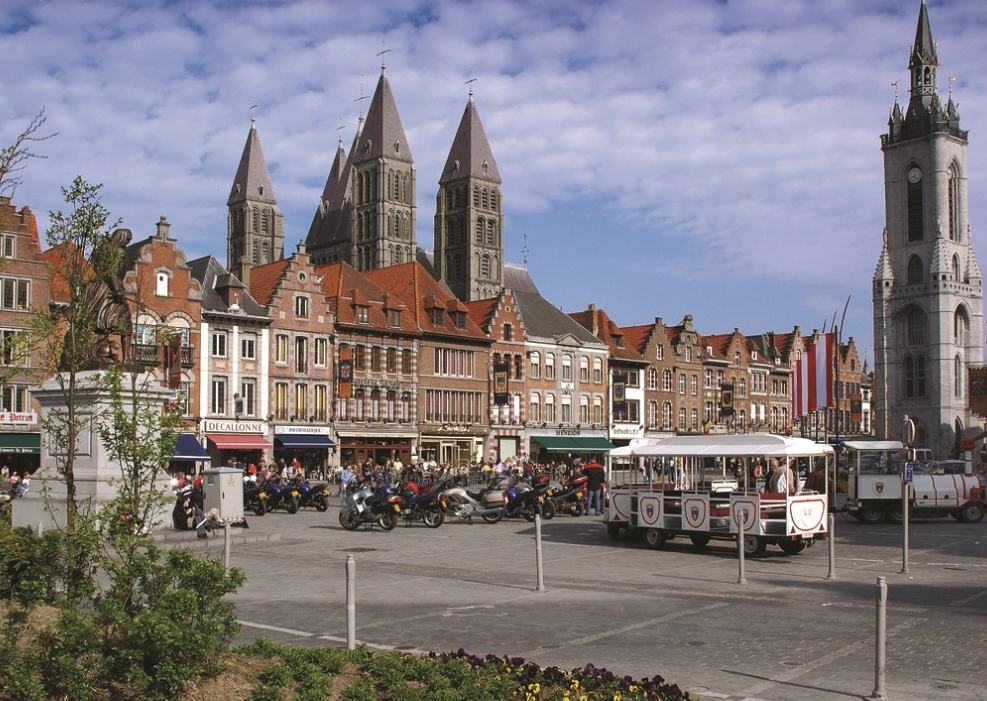
Tournai, one of the oldest cities in Belgium, is a hidden gem that reveals layers of history and cultural richness. Nestled along the Escaut River, this enchanting town offers a tapestry of architectural wonders, vibrant traditions, and culinary delights waiting to be discovered.
History and Origins
The origins of Tournai date back to Roman times when it was known as Tornacum, a significant settlement strategically positioned at the crossroads of ancient trade routes. The city flourished under Roman rule, and its historical importance only deepened during the Middle Ages. Tournai became the seat of a powerful bishopric, one of the richest in northern Europe, especially during the reign of Bishop Hildebert** in the 11th century.
Throughout its storied past, Tournai has witnessed numerous key historical events. In 1302, it played a vital role in the Battle of the Golden Spurs, where the Flemish defeated the French. The city's fate continued to shift through the centuries, influenced by various rulers, including the Franks, Spanish, and Austrians. The year 2013 marked a notable celebration of Tournai’s English connections with the 500th anniversary of Henry VIII’s occupation, further highlighting its significance in European history.
Art and Architecture
Tournai's architectural heritage is a magnificent reflection of its varied past. The city is home to two UNESCO World Heritage Sites: the stunning Notre-Dame Cathedral and the iconic Belfry. The cathedral, with its five towers and a blend of Romanesque and Gothic styles, showcases intricate sculptures and remarkable stained-glass windows that chronicle biblical stories.
Walking through Tournai, visitors can admire some of the oldest private houses in Europe, built between 1175 and 1200 in Romanesque style. The Maison de la Culture, a former abbey, also stands as an artistic hub, housing exhibitions and performances that celebrate contemporary and classical art alike. The Belfry of Tournai, one of the oldest in Belgium, rises majestically at 70 meters and offers panoramic views of the city, inviting visitors to appreciate its unique skyline.
Local Culture and Traditions
Tournai's rich cultural tapestry is woven with vibrant local customs and time-honored traditions. The annual Tournai Carnival, celebrated in February, transforms the streets into a colorful spectacle filled with parades, music, and revelry that echoes centuries of community spirit.
The city also hosts the Fête de la Musique in June, where musicians from across the region gather to fill the air with melodies, reflecting the city's deep-rooted love for music. The Gilles de Binche, recognized by UNESCO as an Intangible Cultural Heritage, is another fascinating tradition, characterized by flamboyant costumes and lively street performances that capture the essence of Tournai's festive spirit.
Gastronomy
No visit to Tournai would be complete without indulging in its local gastronomy. The region is known for its delicious Tournai-style tart, a savory pastry often filled with local ingredients. Another must-try is the Tournai beer, brewed using traditional methods, which pairs perfectly with a serving of Belgian fries and moules-frites (mussels and fries), a classic dish that reflects the culinary heritage of the region.
Additionally, the city is famous for its chocolatiers. Strolling through the cobblestone streets, you’ll find numerous shops offering exquisite handmade chocolates, a sweet testament to Belgium's reputation as a chocolate paradise.
Lesser-known Curiosities
While Tournai boasts well-known attractions, it hides lesser-known curiosities that add to its charm. For instance, the Belfry is not only a symbol of civic pride but also houses a carillon with 62 bells, which chime melodiously throughout the day. Interestingly, the city is said to have a “hidden” underground passageway, connecting the cathedral to the former bishop's palace, a remnant of its medieval past.
Another curious fact is that Tournai is home to the “Tournai Stone,” a unique type of limestone that has been used since the Roman period in buildings across Europe, including in the construction of the Notre-Dame Cathedral.
Practical Visitor Information
The best time to visit Tournai is during the spring months, particularly April and May, when the city is alive with blooming flowers and outdoor festivities. The morning mists that linger over the landscape create a magical atmosphere, enhancing the charm of the historical sites.
When exploring Tournai, take your time to wander through its quaint streets and enjoy the local cafes that offer a taste of Belgian hospitality. Don’t miss the chance to climb the Belfry for unparalleled views, and be sure to explore the quaint boutiques selling artisan crafts.
To make the most of your visit, consider using the Secret World app to plan a personalized AI itinerary tailored to your interests in Tournai.
