


The Fontana di Saturno in Trapani is more than just a historical monument; it is a testament to the city’s enduring connection with its past, a symbol of resilience and ingenuity. Nestled in the heart of Trapani, this fountain has stood since 1342, when it was erected by the influential Chiaramonte family. They commissioned the fountain to commemorate the first aqueduct that brought fresh water from the slopes of Mount Erice into the city’s walls, a monumental achievement for its time.
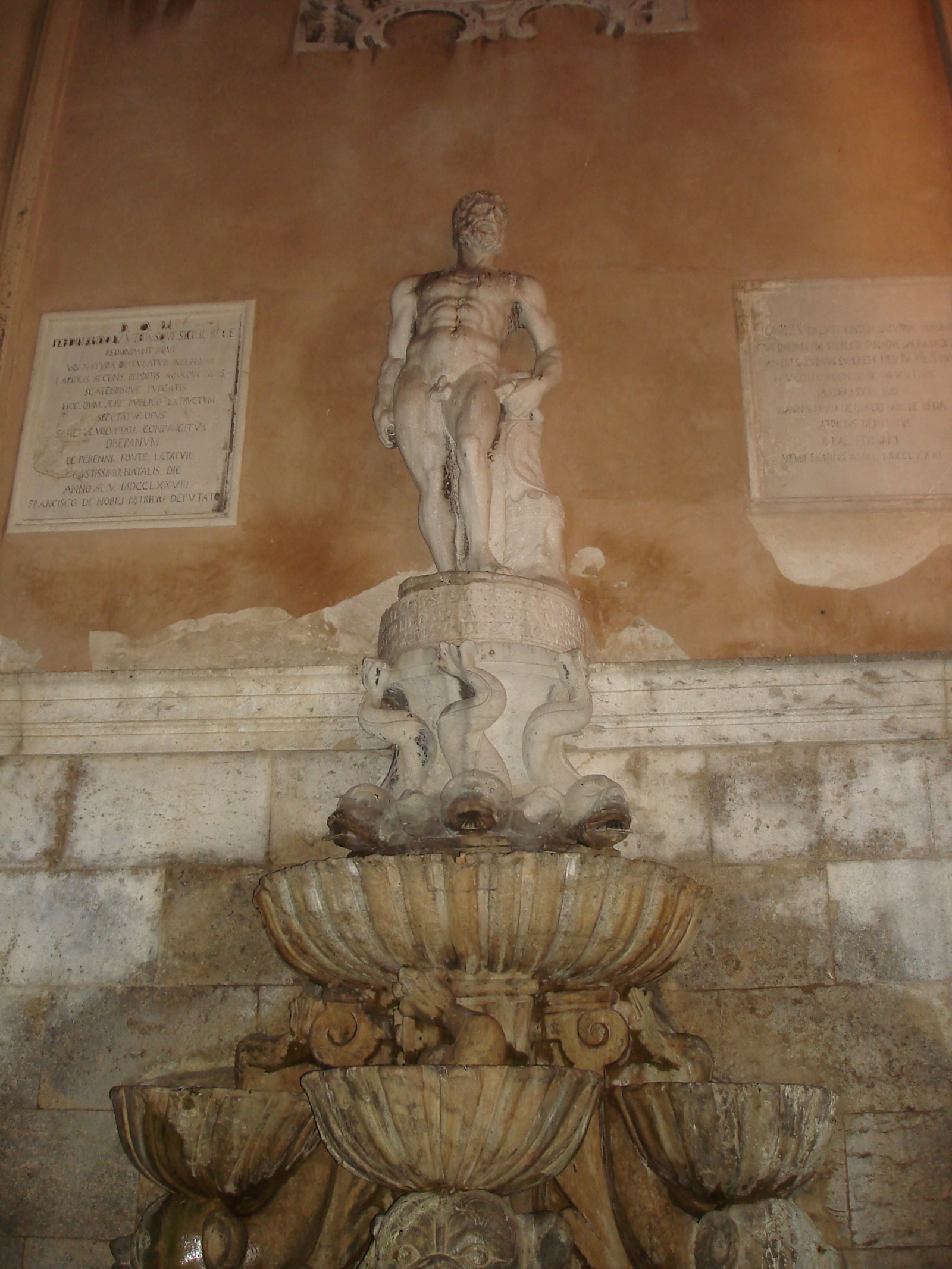
The fountain is crowned by a statue of Saturn, the deity who, in pagan times, was revered as the protector and father figure of Trapani. This divine connection underscores the city’s ancient roots, tracing back to its mythological founding by Saturn himself, who is said to have created the Sicilian islands with a stroke of his sickle. The presence of this deity atop the fountain reflects the city's deep-seated reverence for its mythological and cultural heritage.
Architecturally, the Fontana di Saturno is a classic example of medieval craftsmanship. Its design is simple yet striking, with its stone basin and the prominently placed statue capturing the essence of Gothic artistry prevalent during the 14th century. The statue of Saturn, with his traditional scythe, stands in a poised, watchful stance, a serene guardian of the city. This artistic choice speaks volumes about the period’s architectural tendencies, where functionality often met with symbolic artistry.
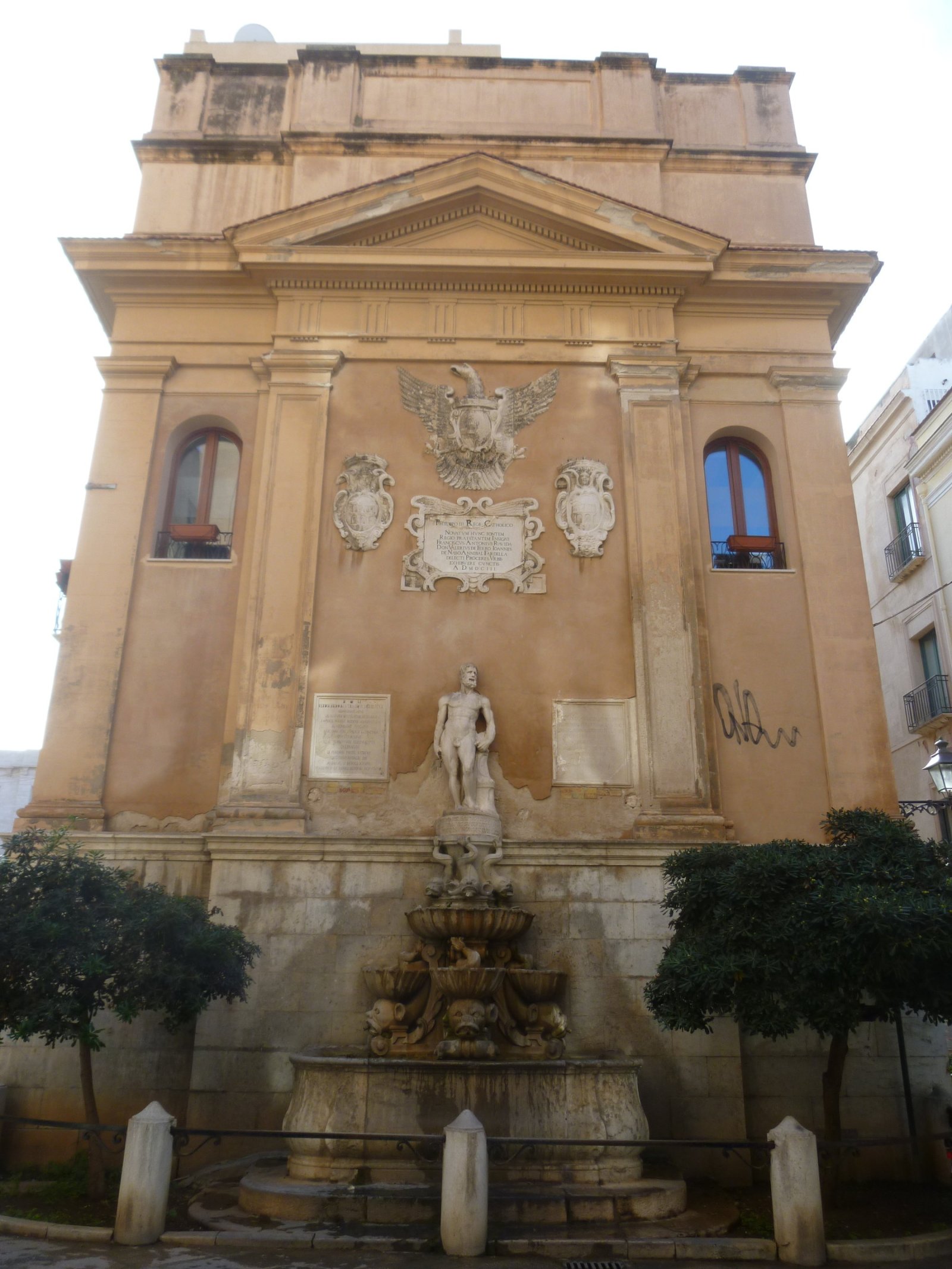
Beyond its architectural beauty, the fountain is embedded in the cultural tapestry of Trapani. The city, known for its vibrant traditions and festivals, considers the fountain a cornerstone of local identity. Events such as the Processione dei Misteri, held during Easter week, see processions passing through the streets near the fountain, infusing the area with a palpable sense of historical continuity and communal celebration.
The local gastronomic scene provides yet another layer of cultural richness. Trapani is renowned for its seafood, with dishes such as couscous alla Trapanese and pasta con le sarde offering a flavorful glimpse into the region’s culinary heritage. Visitors can enjoy these delicacies in the bustling eateries surrounding the fountain, where the aroma of fresh seafood mingles with the salty sea breeze. Pairing these dishes with a glass of Marsala wine, another local specialty, completes the authentic Trapani experience.
For those venturing to Trapani, a visit to the Fontana di Saturno offers more than meets the eye. A lesser-known curiosity is the fountain’s connection to the city's aqueduct history. Although the original aqueduct no longer exists, the fountain stands as a surviving piece of that once-crucial infrastructure, a reminder of the city’s innovative spirit in harnessing natural resources.
The best time to visit Trapani and its historic fountain is during the spring or early autumn. The weather is pleasantly warm, ideal for exploring the city’s attractions without the intense summer heat. As you plan your visit, consider timing it with local festivals to immerse yourself fully in the vibrant local culture. While at the fountain, take a moment to appreciate the intricate details of Saturn's statue and the craftsmanship of the basin, each telling a story of a bygone era.
In conclusion, the Fontana di Saturno is not just a monument but a living piece of Trapani’s history and culture. It captures the essence of this charming Sicilian city, from its ancient origins and architectural wonders to its rich traditions and culinary delights. As you stand before the fountain, you are not merely witnessing a historical artifact but engaging with the very spirit of Trapani itself.


