
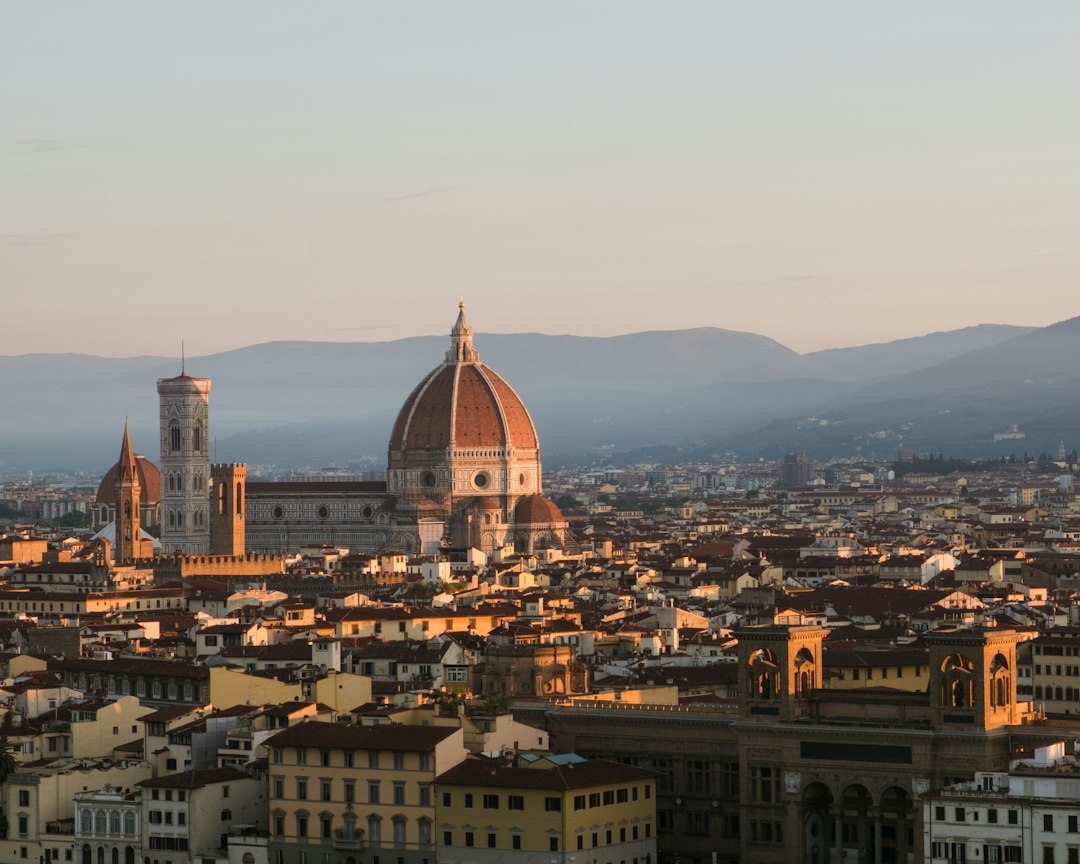

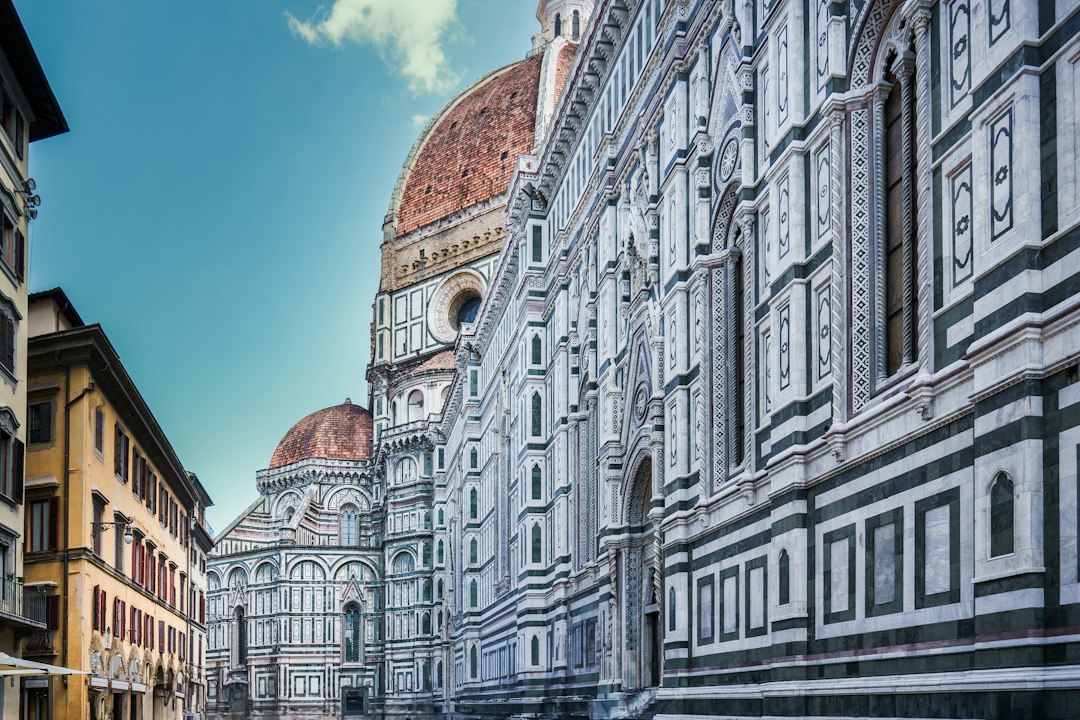
Florence has a problem that no other Italian city has to the same extent: too much to see, too little time. The Uffizi alone requires at least three hours for a decent visit, the Duomo with the climb to Brunelleschi's dome requires another two, and then there's Michelangelo's David at the Accademia, Palazzo Pitti, the Bargello, Santa Croce. In three days — the average length of stay for tourists — it is mathematically impossible to see everything without turning the visit into an exhausting race. The solution is not to give up, but to plan intelligently.
In 2026, those who visit Florence with a minimum of preparation experience a radically different experience from those who arrive without a plan. The difference lies not only in skipping the lines — which with online booking at the Uffizi are reduced from 90 minutes to zero — but in knowing where to go, when, and in what order. This is where artificial intelligence applied to travel is changing the rules of the game, and tools like Secret World represent a concrete leap compared to old paper guides or generic websites.
Florence neighborhood by neighborhood: how to really get oriented
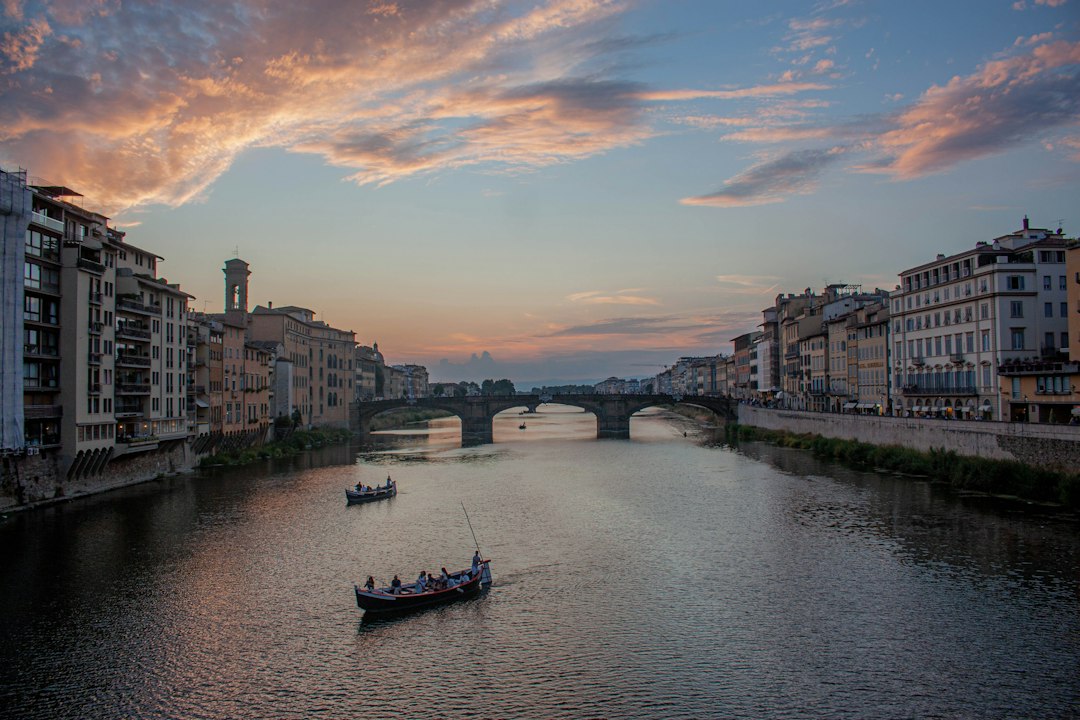
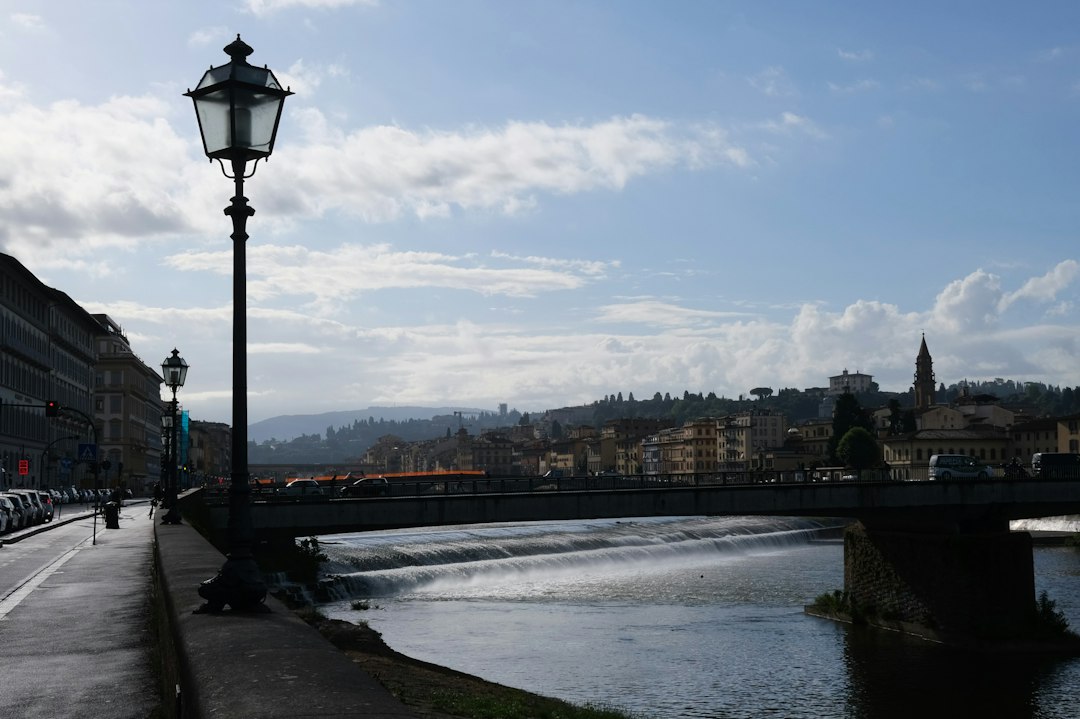
The historic center of Florence is surprisingly compact: from the Duomo to the Uffizi it is 650 meters on foot, from the Uffizi to Palazzo Pitti another 700 crossing the Ponte Vecchio. This means that most of the main attractions are reachable on foot in less than 15 minutes from each other. The problem is that many tourists do not know this and waste precious time on useless buses or taxis. The Oltrarno district, on the left bank of the Arno, is often overlooked but offers artisan shops, authentic trattorias, and the Boboli Gardens — 45,000 square meters of greenery with a panoramic view of the city — with a combined ticket of about 22 euros that also includes Palazzo Pitti.
The Santa Croce district, to the east of the center, is instead the heart of less touristy Florence: the Flea Market, bars frequented by Florentines, and the basilica that houses the tombs of Michelangelo, Galileo, and Machiavelli. Entrance costs 8 euros and takes about an hour. Knowing this geography before arriving allows for the construction of logical itineraries that do not force you to retrace the same steps three times a day.
How AI Transforms Travel Planning in Florence
Until a few years ago, planning a trip to Florence meant consulting TripAdvisor, buying a Lonely Planet guide, and hoping not to forget anything. Today, AI-based tools like Secret World allow you to generate personalized itineraries in just a few seconds, taking into account the number of available days, specific interests, and even the expected weather. The platform accesses a database of over 1 million destinations worldwide, with up-to-date information on schedules, prices, and accessibility.
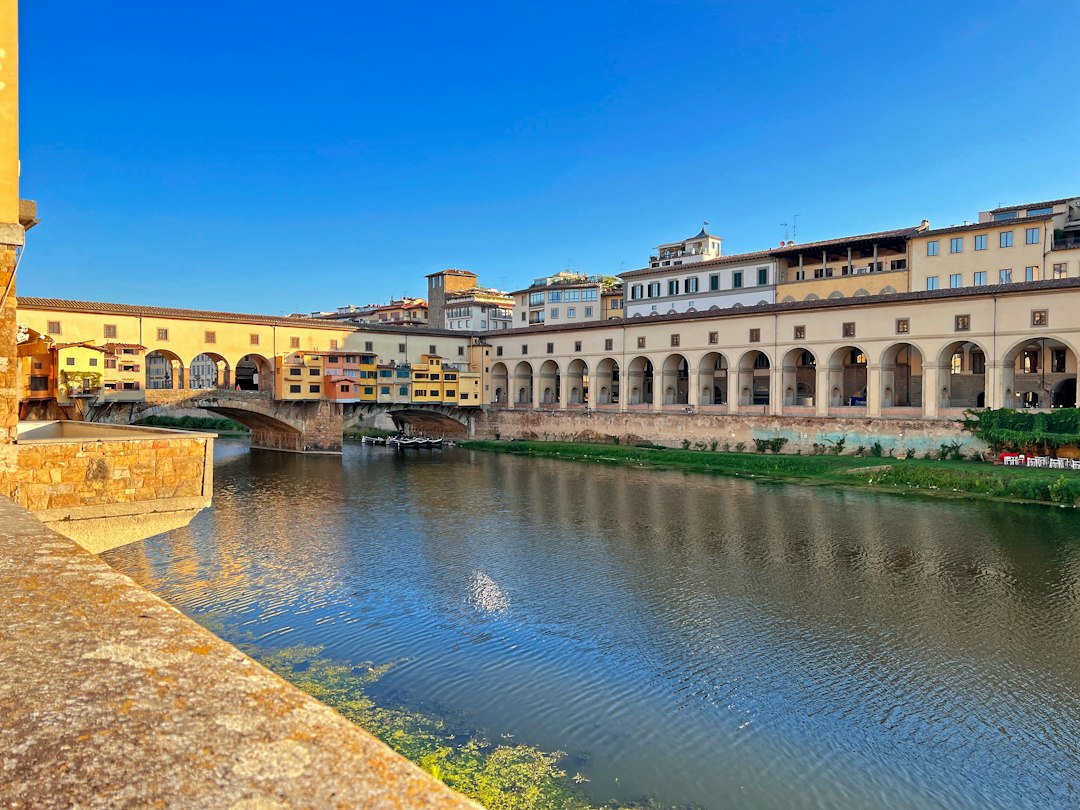
The concrete difference compared to a Google search is that Secret World does not return a list of links to visit one by one: it generates a structured plan, with suggested times, realistic travel durations, and alternatives in case of closures or queues. For Florence, this means receiving an itinerary that takes into account the fact that the Uffizi is closed on Mondays, that the Brunelleschi dome needs to be booked at least a week in advance during high season, and that the sunset from Piazzale Michelangelo — free and reachable on foot in 20 minutes from the center — is one of the most beautiful moments of the day.
KnowWhere and audio guide: the local guide always in your pocket
One of the most useful features of Secret World for those visiting Florence is KnowWhere, the contextual recommendation system that suggests what to do nearby in real-time. If you are in front of the Baptistery of San Giovanni and have 40 minutes free before your reservation at the Uffizi, KnowWhere points you to the Museum of the Opera del Duomo just 200 meters away — often overlooked by tourists but with an extraordinary collection that includes Michelangelo's Pietà — instead of wasting time in a souvenir shop.
The integrated audio guides in the app work without an internet connection, which is essential in a city where the signal in museums is often absent. Each point of interest has a narration of 3-5 minutes, designed to be listened to on-site without interrupting the flow of the visit. For Florence, this means being able to understand the historical context of Ghirlandaio's frescoes in Santa Maria Novella or the hidden symbolism in the Vasari Corridor without having to carry books or rely on a paid tour guide — which in the city costs an average of 150-200 euros for half a day.
Final practical tips for your trip to Florence in 2026
Some concrete data to keep in mind: the Florence Card, the city museum pass, costs 85 euros and gives access to over 70 museums in 72 hours — convenient only if you plan to visit at least 4-5 paid places. The best months to visit are April, May, September, and October: mild temperatures, shorter lines compared to summer, optimal photographic light. In July and August, temperatures often exceed 35 degrees and lines at the Uffizi without a reservation can reach two hours.
Planning a trip to Florence in 2026 takes less time than you think if you use the right tools. Secret World is available for free: download the app, enter the dates of your stay in Florence, and let the AI build your personalized itinerary — with schedules, maps, audio guides, and real-time suggestions. Zero subscriptions, zero hidden costs. Just Florence, experienced in the best possible way.


