
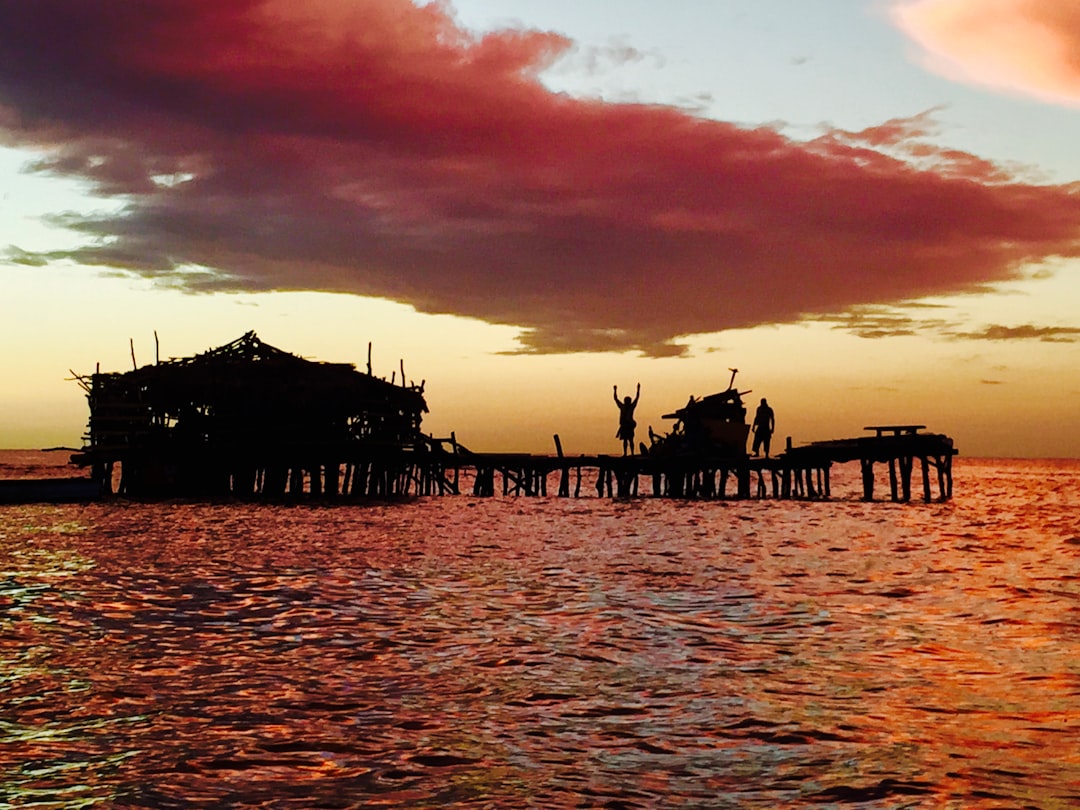

The fishermen's boats far outnumber the tourists on the southern coast of Jamaica. At Treasure Beach, a stretch of four small bays that follow one another between the parish of St. Elizabeth and the Caribbean Sea, the rhythm of the day is still dictated by the nets to be pulled ashore and the smoke from makeshift grills where fishermen cook the freshly caught fish. It is not a matter of fashion or marketing: it is simply how this place has functioned for generations.

Treasure Beach is located on the southern coast of Jamaica, away from the large resorts of Negril and Montego Bay that dominate the island's tourism. Reaching this area requires a commitment: from Kingston, it takes about two hours of driving west, or you can arrive from Mandeville descending towards the sea through the Santa Cruz hills. The distance from the main circuits is exactly the reason why this place has remained what it is.
The color of the water and the dark sand

The water in front of the bays of Treasure Beach does not have the bright turquoise that one expects from the Caribbean in postcards. The sea here is deeper, with shades ranging from petroleum green to dark blue almost indigo, especially early in the morning when the slanting light enhances the contrasts. This is partly due to the shape of the seabed and the geographical location: the southern coast of Jamaica is exposed to different currents compared to the north.
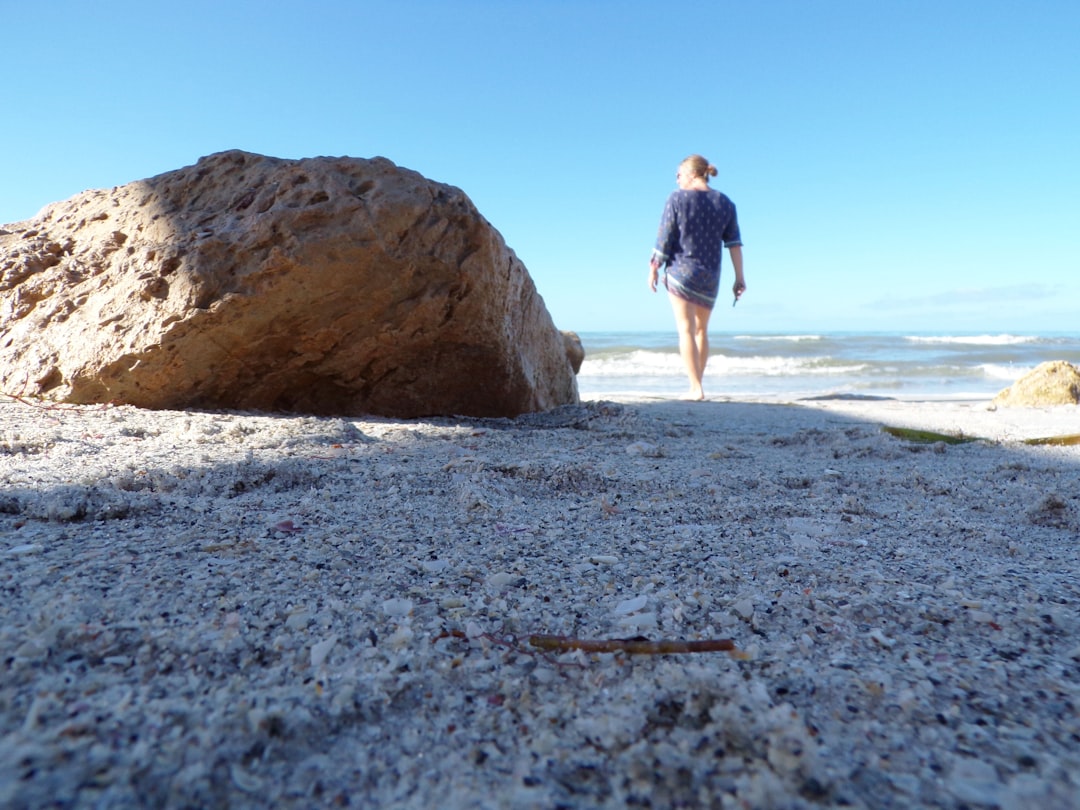
The sand is a detail that surprises many visitors: it is not white. It has a golden hue tending towards light brown, at times almost gray, mixed with fragments of shells and small volcanic rocks. The four main bays — including Billy's Bay and Frenchman's Bay, which are the most frequented by locals — each have their own personality: some with wider beaches, others with small coves bordered by rocks where the water calms and becomes clear even when the open sea is choppy.
The atmosphere: no umbrellas for rent, no street vendors
What is missing in Treasure Beach is just as important as what is there. There are no rows of paid sunbeds, there are no street vendors offering braids or souvenirs, there are no entertainers. The beaches are essentially free in the most literal sense of the term: you sit where you want, bring your own food, and talk to the fishermen if you feel like it.
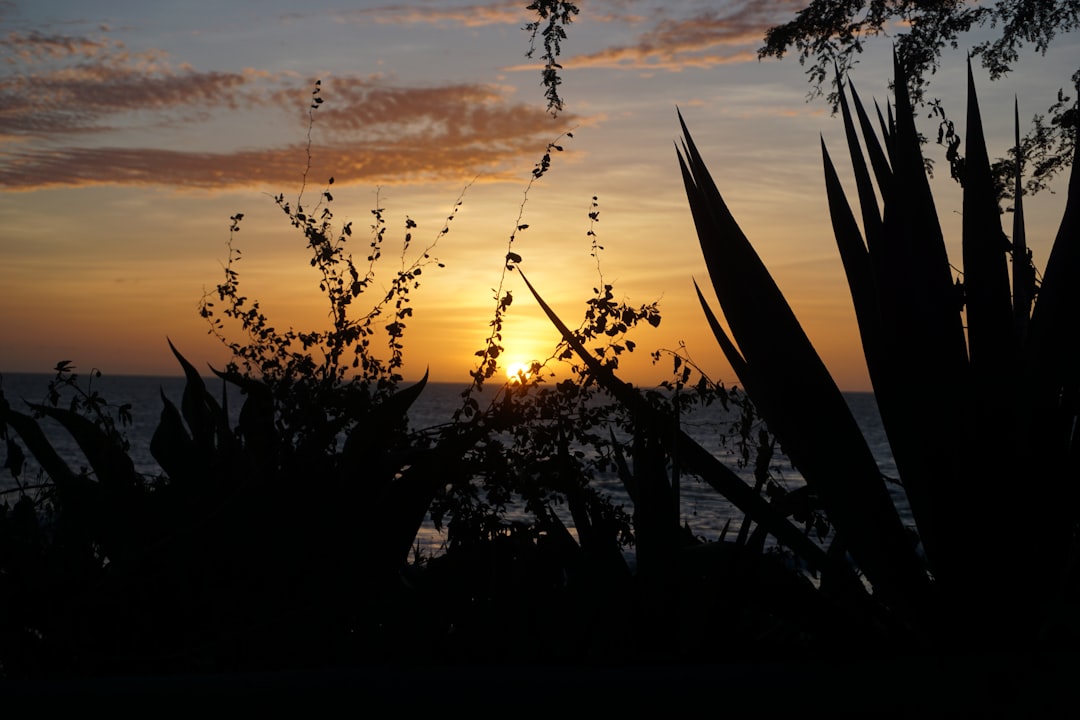
The local fishermen use painted wooden boats, often in bright colors, which are pulled ashore on the sand when not at sea. At sunset, some of them light small grills on the shore and sell fresh fish — mainly snapper and parrotfish — cooked on the spot. It is not an organized tourist service: it is simply what they do. The price varies, but it is generally very low compared to any restaurant. Bringing cash in small bills is essential, because there are no POS in these informal exchanges.
What to Observe Physically on Site

Walking along the coast, you encounter the fishing boats with hand-painted names on the hull — religious names, nicknames, family references. The nets are repaired directly on the beach, sitting on plastic chairs or logs. It is a daily spectacle, not a performance for tourists, and this difference is immediately noticeable.
In the Great Bay area, one of the bays in the resort, there are some small, family-run accommodations — guesthouses and cottages — that blend into the landscape without altering it. The Treasure Beach Foundation, a local organization active in the community, has contributed over the years to maintaining a tourism approach that prioritizes sustainability over commercial growth. This philosophy is evident: there are no large constructions on the coast, there are no resorts with private beaches.
Practical tips for visiting Treasure Beach
The best time to visit is between November and April, during the dry season. From May onwards, the rains become more frequent and the sea can be rougher. The early morning is the best time to see the fishermen return with their catch: generally between six and eight in the morning, the boats come back and the activity on the beach is at its peak.
There is no comfortable direct public transport to get to Treasure Beach from outside. The most practical solution is to rent a car in Kingston or Montego Bay, or to arrange a private transfer. Some local guesthouses help guests organize transportation. Plan for at least two nights to appreciate the pace of the place: with just one day, you risk not understanding why those who come here often stay longer than expected.


