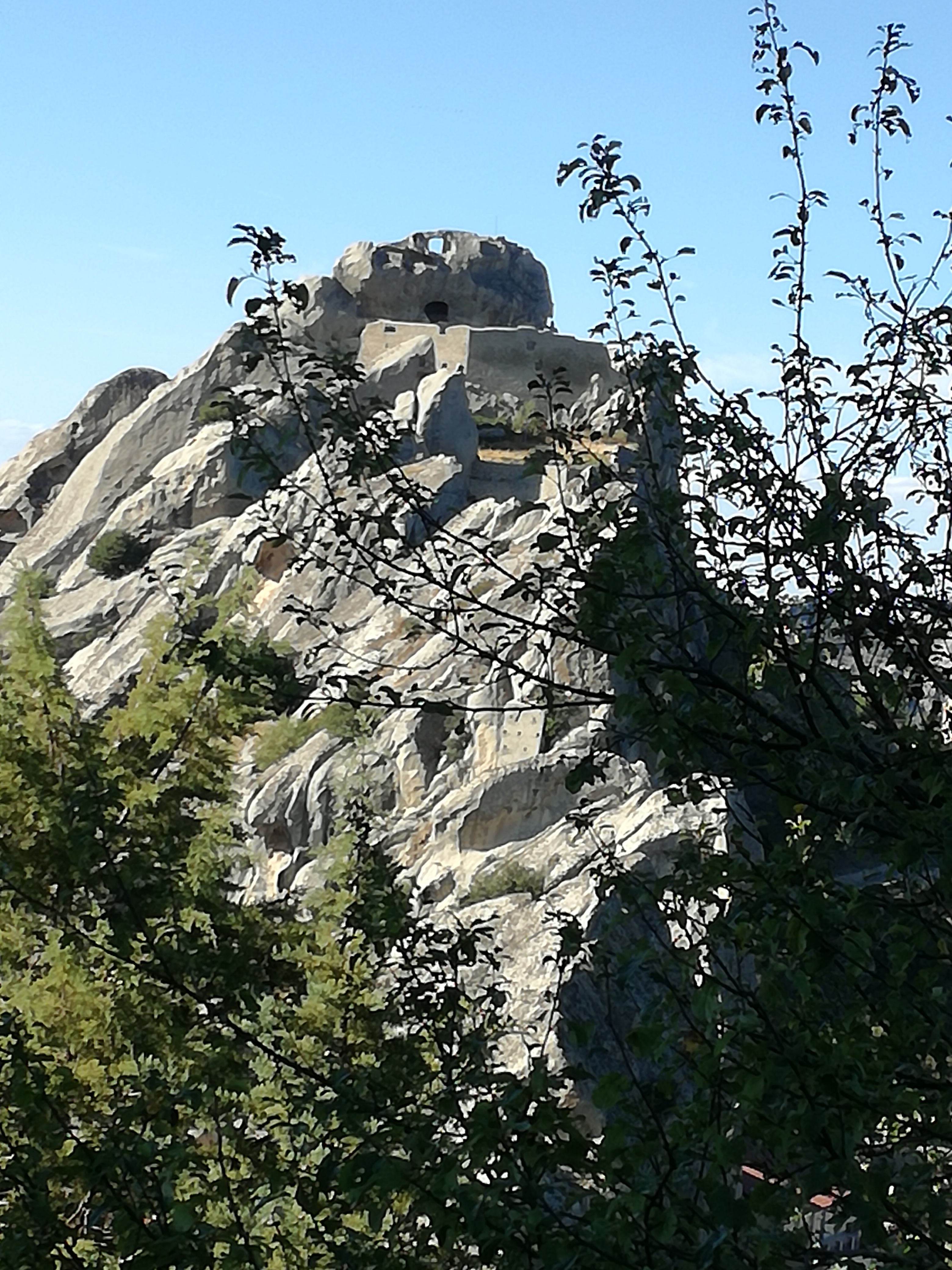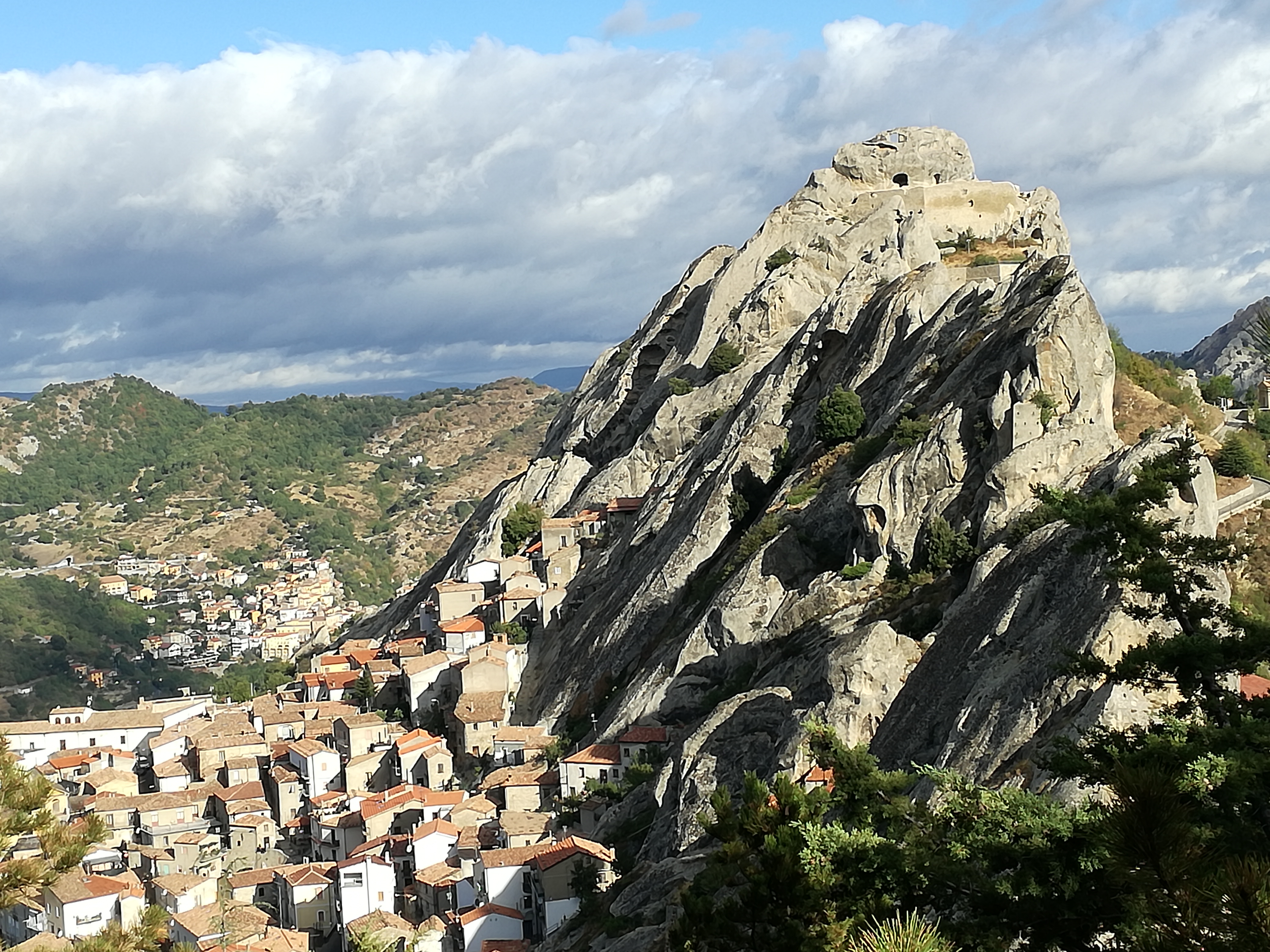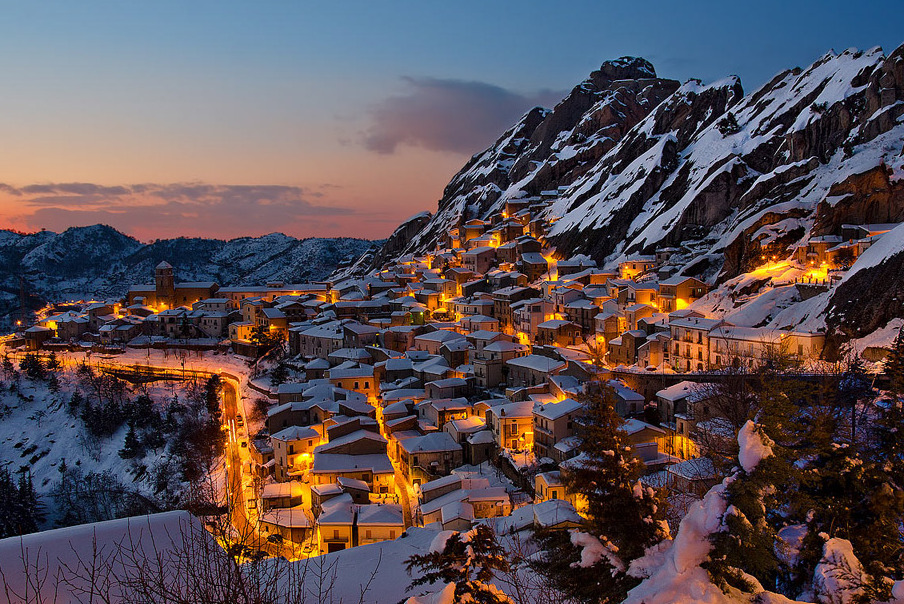

{ "title": "Lucane Dolomites: Discovering Pietrapertosa's Hidden Gems", "description": "Nestled in the heart of Basilicata, Pietrapertosa is a stunning village that rests dramatically against the backdrop of the Lucane Dolomites. Known for its breathtaking landscapes and rich history, this area offers visitors an enchanting blend of nature, culture, and gastronomy.\n\nHistory and Origins \nThe origins of Pietrapertosa can be traced back to ancient times. It is believed that the name derives from the Latin 'Petrus', meaning stone, and 'Pertusa', meaning hole, which reflects its rocky terrain. Initially established by the Lucanians, a pre-Roman tribe, the village has seen numerous transformations through the centuries, influenced by various cultures, including the Saracens and the Normans. One of the most pivotal events in its history was the construction of the Castle of Pietrapertosa in the 11th century, which played a crucial role during the struggles against foreign invaders.\n\nArt and Architecture \nWalking through Pietrapertosa, visitors are captivated by the medieval architecture that adorns the village. The Castle, or Castello di Pietrapertosa, stands as a testament to the village's rich history, its ruins perched high on a rocky outcrop, offering panoramic views of the surrounding landscape. The Church of St. James, dating back to the 15th century, showcases stunning Gothic architecture and features beautifully preserved frescoes that depict biblical scenes. The winding streets of the Arabat district, with their narrow alleys and terraced houses, invite exploration and reveal the Saracen influence in the layout and construction styles.\n\nLocal Culture and Traditions \nPietrapertosa is vibrant with local customs and traditions that reflect its rich cultural heritage. One of the most celebrated events is the Festival of St. James, held every year in the first week of September, where the town transforms into a vibrant tapestry of music, dance, and culinary delights. The festival features traditional music performances, a parade showcasing local folklore, and a showcase of local crafts. Additionally, the Volo dell’Angelo, or "