
← Back

Tren a las Nubes, Argentina

Estación de Trenes, Ameghino 660, A4400 Salta, Argentina ★★★★☆ 286 views
Marilù Versace
Salta
🏆 AI Trip Planner 2026

Get the free app

Discover the best of Salta with Secret World — the AI trip planner with 1M+ destinations. Get personalized itineraries, hidden gems and local tips. Free on iOS & Android.

🧠 AI Itineraries 🎒 Trip Toolkit 🎮 KnowWhere Game 🎧 Audio Guides 📹 Videos
Scan to download iOS / Android
Scan for AppGallery Huawei users

About Tren a las Nubes, Argentina

Tren a las Nubes, Argentina - Salta | Secret World Trip Planner

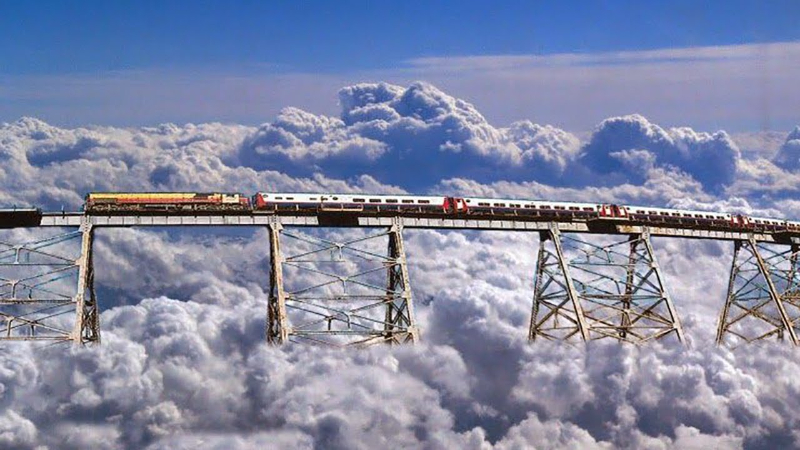
Since being inaugurated in the late 1940s, Argentina's famous Tren a las Nubes - or Train to the Clouds - has been regularly ranked among the world's top rail adventures. It's also been frequently out of action, hampered by everything from financial problems to a derailment, and it's impacted on the route.
Tren a las Nubes, Argentina - Salta | Secret World Trip Planner

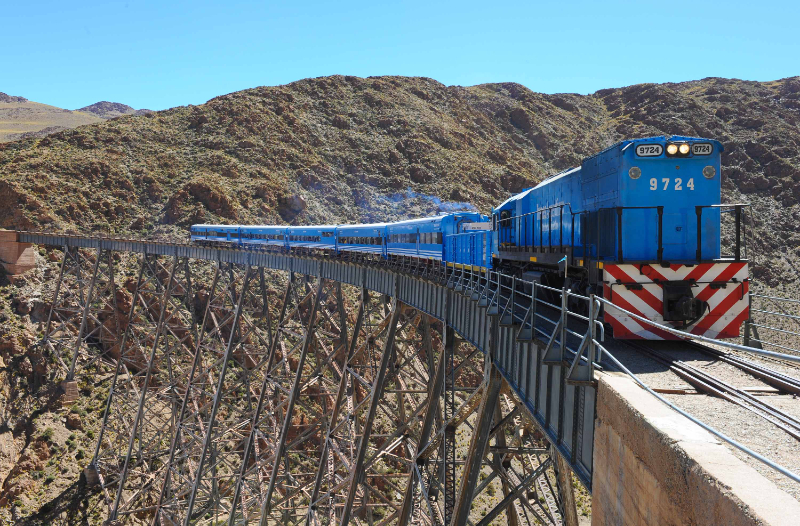
The service is currently running as a bus-and-train combination journey (Tuesday, Thursday & Saturday), with only the most westerly section between San Antonio de los Cobres and the Polvorilla Viaduct covered by rail. This is likely to remain the case until around 2022, when the full line is due to reopen.

It remains, however, one of the simplest ways of witnessing the country's towering north-west. Buses connecting with the train depart the attractive colonial city of Salta at 7am, though it's worth arriving here a day early to explore. Wander the crumbling 17th-century buildings or visit the curious Museum of High Altitude Archeology, where you can see mummified remains found in an Inca burial site on nearby Mount Llullaillaco.
Tren a las Nubes, Argentina - Salta | Secret World Trip Planner

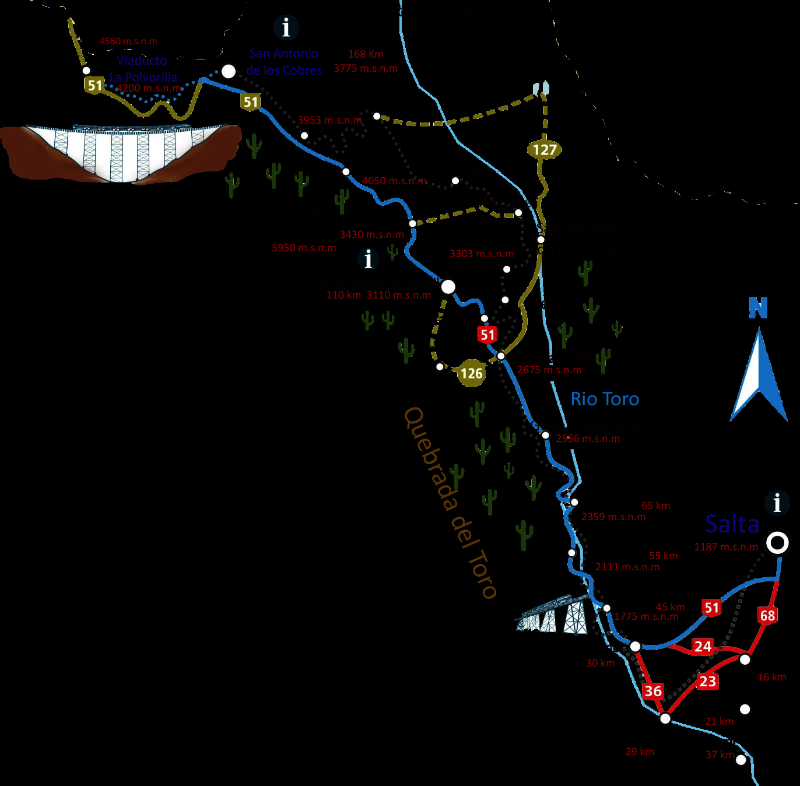
The bus makes multiple photo stops en route as it snakes west through the tobacco fields of the Lerma Valley, passing forests of red-blossoming ceibo (the national flower of Argentina). From there, it rises into the brightly coloured rocky ravines of the Quebrada del Toro, slowly twirling up into the high-altitude desert plains of La Puna and - five hours after leaving Salta - the old mining town of San Antonio de los Cobres. This is where you'll board the train and set out across the high plateau to reach the Polvorilla Viaduct, a structure that sits at an atmospherically thin 4,200m above sea level, seemingly on top of the world.

Buy Unique Travel Experiences

Powered by Viator

See more on Viator.com

Frequently Asked Questions

The train is currently operating as a combined bus-and-train journey on Tuesdays, Thursdays, and Saturdays, with only the westernmost section between San Antonio de los Cobres and the Polvorilla Viaduct covered by rail. The full line is expected to reopen around 2022, though the current hybrid service remains one of the best ways to experience Argentina's north-west landscape.
Buses depart from the colonial city of Salta at 7am, connecting with the train at San Antonio de los Cobres after approximately five hours of travel through varied landscapes. It's recommended to arrive in Salta a day early to explore the city's historic 17th-century buildings and museums before the journey begins.
The journey culminates at the Polvorilla Viaduct, which sits at 4,200 meters above sea level on the high plateau, seemingly on top of the world. This atmospherically thin altitude makes it one of the most dramatic and memorable points of the entire rail adventure.
Salta features charming crumbling 17th-century colonial buildings worth exploring on foot, and the Museum of High Altitude Archeology, which displays mummified remains discovered in an Inca burial site on nearby Mount Llullaillaco. These attractions provide excellent context for understanding the region's rich cultural heritage.
The route passes through tobacco fields in the Lerma Valley with red-blossoming ceibo trees (Argentina's national flower), before ascending through the strikingly colored rocky ravines of the Quebrada del Toro and finally onto the high-altitude desert plains of La Puna. Multiple photo stops along the way allow you to capture the dramatic transformation from valley to mountain landscape.
