
← Back

Trieste and the Coffee | Caffé San Marco

Via Cesare Battisti, 18, 34133 Trieste, Italia ★★★★☆ 681 views
Gal Cook
Trieste
🏆 AI Trip Planner 2026

Get the free app

Discover the best of Trieste with Secret World — the AI trip planner with 1M+ destinations. Get personalized itineraries, hidden gems and local tips. Free on iOS & Android.

🧠 AI Itineraries 🎒 Trip Toolkit 🎮 KnowWhere Game 🎧 Audio Guides 📹 Videos
Download on the App Store Get it on Google Play
Scan to download Scan to download

About Trieste and the Coffee | Caffé San Marco

Trieste and the Coffee | Caffé San Marco - Trieste | Secret World Trip Planner

In the heart of Trieste, where the Adriatic Sea meets the rich tapestry of Central European culture, lies Caffé San Marco—a sanctuary for intellect, creativity, and spirited conversation. Opened on January 3, 1914, this café has not only served coffee but has brewed ideas and fostered connections among the city's most brilliant minds.

### History and Origins

Trieste's history is a fascinating blend of Italian, Slovenian, and Austro-Hungarian influences, a reflection of its strategic position as a port city. Established as a Roman settlement, the area has witnessed the rise and fall of empires, but it was during the late 19th and early 20th centuries that it burgeoned as a cultural hub.

Caffé San Marco, housed in a building owned by Assicurazioni Generali, was founded by Marco Lovrinovich. From the outset, it became a haven for intellectuals and artists. Literary giants such as Italo Svevo and Umberto Saba frequented its tables, along with expatriates like James Joyce, who famously pondered over his monumental work, “Ulysses,” within its walls. The café also served as a clandestine meeting point for young irredentists, who, during the tumultuous times of the early 20th century, forged passports to help anti-Austrian patriots escape to Italy.

### Art and Architecture

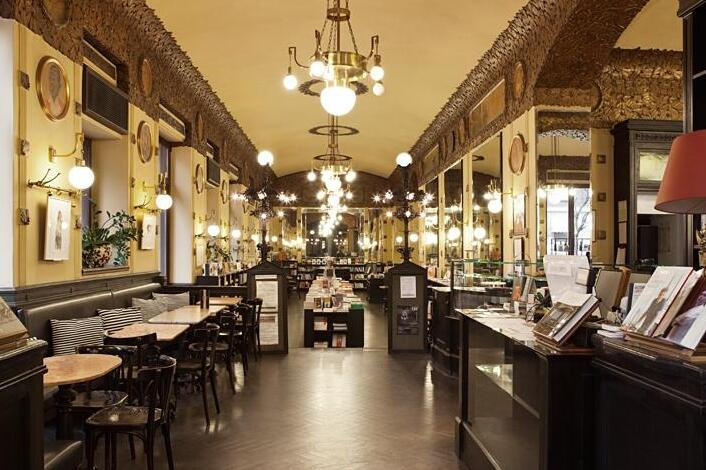
The architectural style of Caffé San Marco is a testament to its historical roots. The interior boasts Art Nouveau elements, characterized by decorative motifs and elegant lines that evoke the grandeur of a bygone era. Murals adorn the walls, celebrating the café's rich literary heritage and the cultural vibrancy of Trieste.

The café's design is not merely functional; it is a canvas that reflects its artistic significance. The wooden furnishings and large windows create an inviting atmosphere, allowing patrons to immerse themselves in both the hustle of the city and the quiet contemplation of art and literature. The space has been meticulously preserved, making it feel as if time has stood still since the early 20th century.

### Local Culture and Traditions

Trieste has a unique cultural identity, one that is celebrated through various festivals and customs. The annual Trieste Coffee Festival pays homage to the city’s deep-rooted coffee culture, attracting aficionados and casual drinkers alike. The festival offers tastings, workshops, and discussions that highlight the significance of coffee in everyday life.

In addition, local customs such as the “Panzarotti”—a traditional pastry often enjoyed with coffee—bring people together. The café has become a symbol of the city’s cultural fabric, embodying the spirit of dialogue and creativity that defines Trieste.

### Gastronomy

When it comes to gastronomy, Caffé San Marco serves a range of local delights that pair perfectly with its renowned coffee. The café is famous for its espresso, a drink that has become synonymous with Trieste. The city's coffee culture is deeply influenced by its historical ties to the Austro-Hungarian Empire, with coffee served in a variety of styles, each with its unique flavor profile.

Beyond coffee, patrons can indulge in local pastries like Strudel or Krapfen, which are often enjoyed with a rich cappuccino. The café also offers a selection of wines from the nearby Collio region, further enhancing the culinary experience.

### Lesser-known Curiosities

While Caffé San Marco is well-known, there are hidden stories that many visitors miss. For instance, the café was not only a literary refuge but also a site of political intrigue, with whispers of revolution echoing off its walls. The forging of passports for anti-Austrian patriots is a testament to the café's role in the struggle for Italian identity.

Moreover, the café has hosted countless artistic events, including poetry readings and art exhibitions, making it a living gallery of Trieste's cultural evolution. On any given day, you might find a local artist sketching the café’s interior or a writer tapping away at their latest manuscript, continuing the legacy of creativity that Caffé San Marco embodies.

### Practical Visitor Information

The best time to visit Caffé San Marco is during the spring or fall when Trieste is less crowded, and the weather is perfect for sipping coffee outdoors. The café is open daily, welcoming both locals and travelers eager to experience its historical ambiance.

When visiting, take the time to explore the surrounding area—a stroll through the Piazza Unità d'Italia or a visit to the nearby Castello di Miramare can complement your café experience beautifully. Don’t forget to engage with the baristas, who often share stories about the café’s rich past.

As you plan your visit, consider using the Secret World app to curate a personalized itinerary that allows you to delve deeper into the enchanting world of Trieste.

🗺 AI Trip Planner

Plan your visit to Trieste

Suggested itinerary near Trieste and the Coffee | Caffé San Marco

MAJ+
500.000+ travelers worldwide
  1. 🌅
    Morning
    Trieste and the Coffee | Caffé San Marco
    📍 Trieste
  2. ☀️
    Afternoon
    The San Marco Café in Trieste
    📍 0 km · Trieste
  3. 🌆
    Evening
    The Kleine Berlin is a complex of anti-aircraft tunnels built in the second half of the 20th century.
    📍 0.3 km · Trieste

Buy Unique Travel Experiences

Powered by Viator

See more on Viator.com

Explore nearby · Trieste

Frequently Asked Questions

Caffé San Marco was opened on January 3, 1914, by Marco Lovrinovich in a building owned by Assicurazioni Generali. From its inception, it became a haven for intellectuals and artists, quickly establishing itself as a cultural landmark in the heart of Trieste.
Literary giants including Italo Svevo and Umberto Saba were regular patrons, and James Joyce famously worked on his monumental novel 'Ulysses' within its walls. The café became a gathering place for Trieste's most brilliant intellectual minds during the early 20th century.
The café features Art Nouveau architectural elements, characterized by decorative motifs, elegant lines, and murals that celebrate its literary heritage. The interior combines wooden furnishings and large windows to create an inviting atmosphere that reflects both the grandeur of a bygone era and Trieste's cultural vibrancy.
Beyond serving as a cultural meeting place, Caffé San Marco served as a clandestine meeting point for young irredentists who forged passports to help anti-Austrian patriots escape to Italy during the tumultuous early 20th century. This hidden history adds another layer to the café's significance in Trieste's complex past.
The café embodies Trieste's unique blend of Italian, Slovenian, and Austro-Hungarian influences through both its Art Nouveau design and its role as a sanctuary for intellectuals and artists. Its walls and atmosphere celebrate the city's rich literary heritage and position as a cosmopolitan cultural hub where European traditions converge.
