
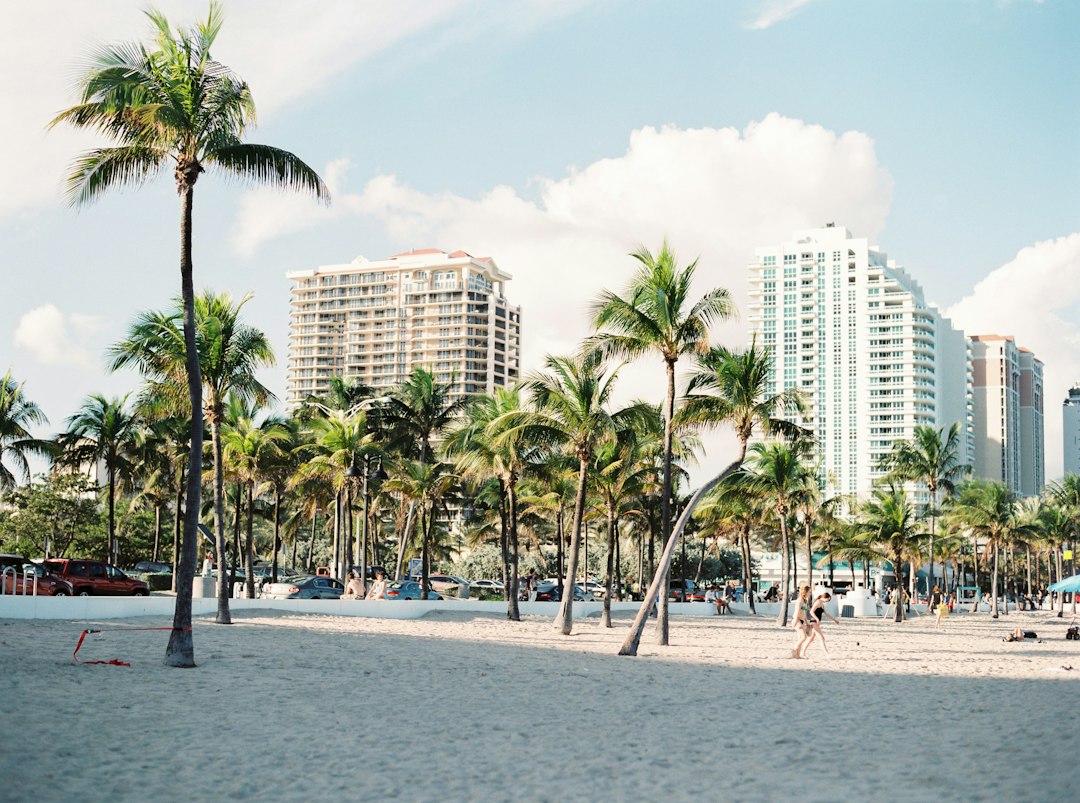

Miami is one of those cities that puts you in crisis right from the first search. You have Wynwood Walls, South Beach, Little Havana, the Design District, Key Biscayne — and they are neighborhoods that are 20-30 minutes apart by car, with completely different visiting logics. When I decided to organize a week in Miami in March 2026, I immediately realized that I needed something smarter than an Excel sheet. I tested three AI trip planners to see which one really worked. This is the honest account of that experience.
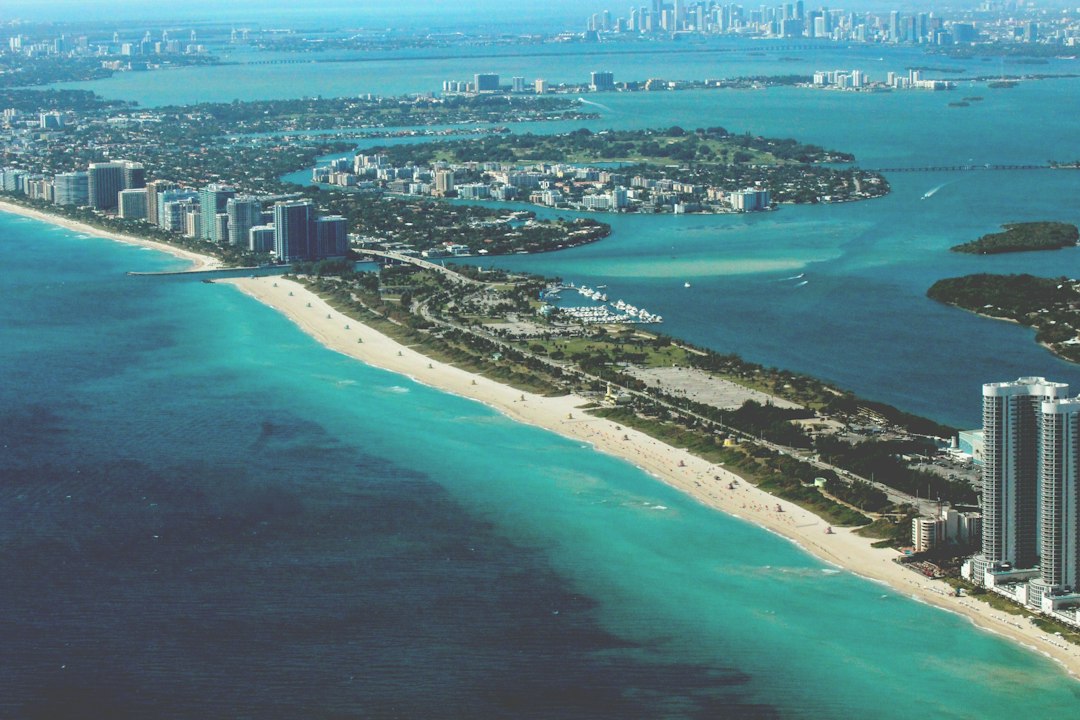
I chose three tools: Secret World AI Trip Planner, a highly advertised generalist competitor, and a second tool integrated into a well-known flight booking app. I put them to the test with the same brief: 6 days in Miami, mid-high budget (about €200 a day excluding hotel), interest in art, local gastronomy, and a few hours at the beach — but not a beach vacation. Here’s what happened.
How Secret World built the itinerary for Miami
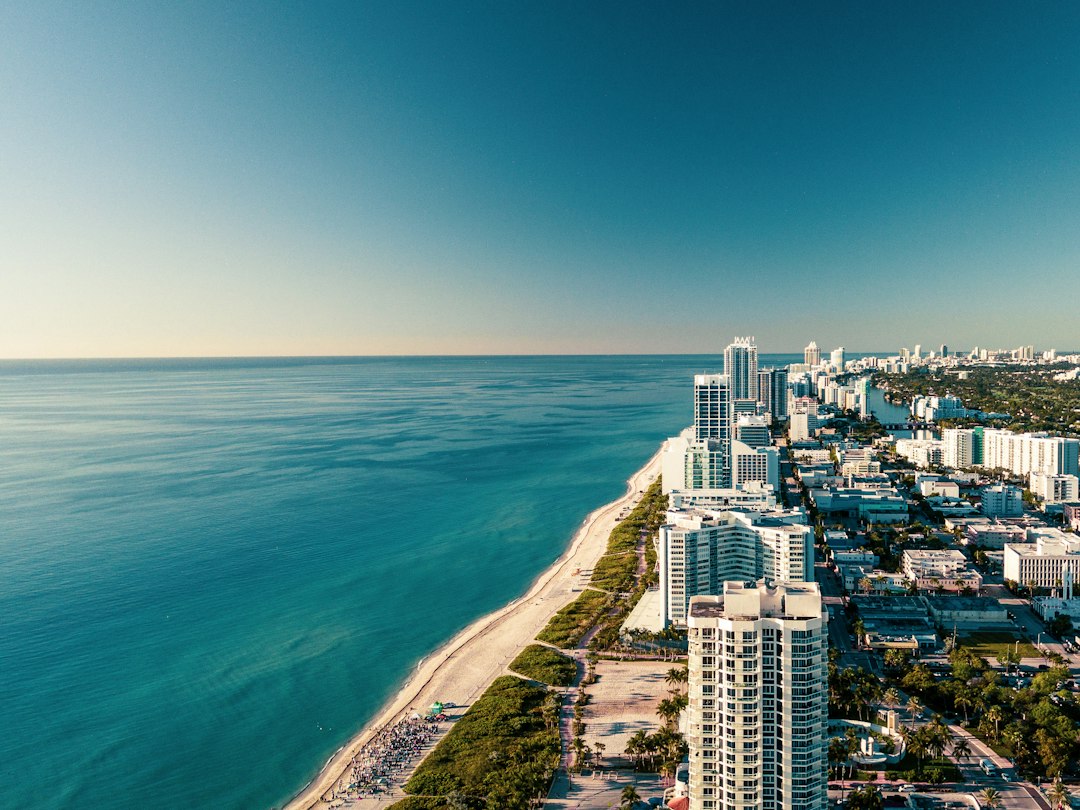
I opened Secret World and wrote exactly this: “Six days in Miami, I’m interested in urban art, Cuban and Latin American cuisine, I want to avoid tourist traps. I have a car available. Budget 200€/day”. The response arrived in less than 30 seconds and was already structured by days, with recommended times and a precise geographical logic. The first day started at Wynwood Walls (free entry from the street, but some internal galleries charge $5-10) early in the morning — a great indication, because after 11 it gets crowded with organized groups. In the afternoon, a move to the Design District, just 10 minutes by car, with a specific suggestion to visit the Museum of Art and Design (MOAD) and then walk along NW 2nd Avenue to see the less photographed murals.
What struck me is that the AI did not stop at the obvious attractions. For cuisine, it suggested Versailles Restaurant in Little Havana (the classic, yes, but with the indication to go there for breakfast to avoid the lunch line) and El Palacio de los Jugos for an authentic snack for less than $8. It also included the Pérez Art Museum Miami (PAMM) with a note on the ticket price ($18 adults) and the advice to combine it with a walk in Museum Park on the waterfront. Each day had a realistic estimated duration: no impossible 14-hour itineraries to follow.
The comparison with the other two tools: concrete differences
The generalist competitor produced an itinerary that seemed copied from a 2019 guide. Ocean Drive, Art Deco Historic District, boat cruise — all correct, but without any personalization regarding the brief I had given. When I specified that I wanted to avoid tourist traps, they simply removed the cruise and added the Bayside Marketplace. Not exactly a breakthrough. The second tool, integrated into the flight app, was technically functional but built the itineraries without considering geography: it placed Key Biscayne (30 minutes south) and Aventura Mall (35 minutes north) in the same morning. Impossible to follow without losing two hours in the car.
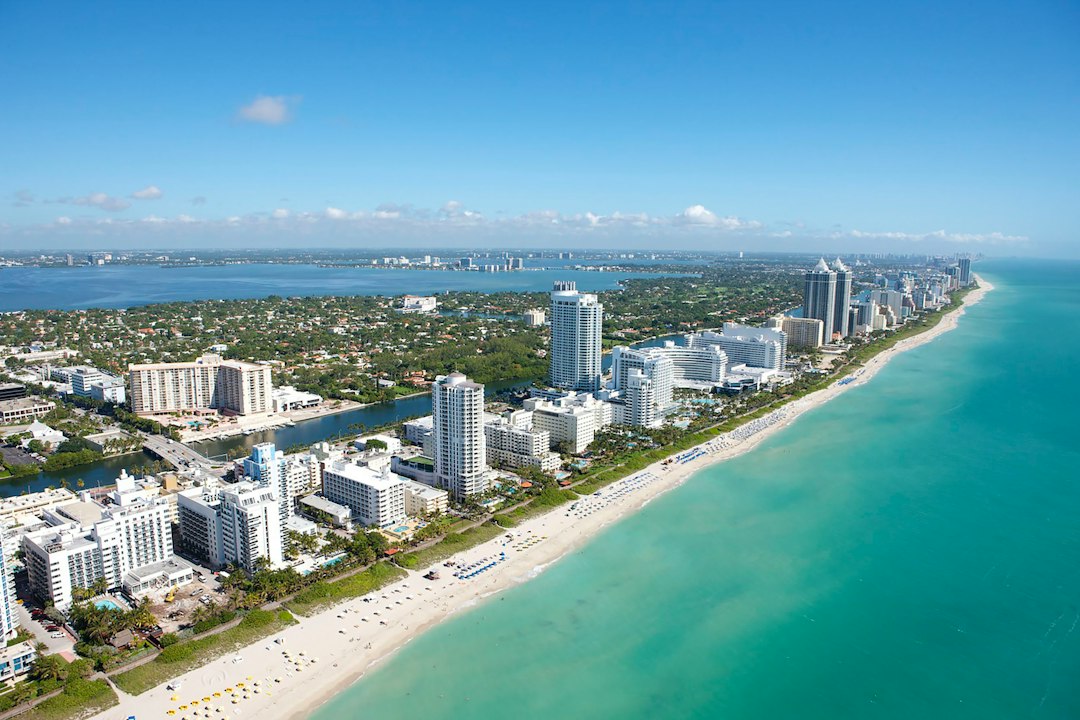
Secret World, on the other hand, grouped the stops by areas coherently. The day dedicated to the south of Miami included Key Biscayne, Bill Baggs Cape Florida State Park (entrance $8 per car) and dinner in Coconut Grove — all within a 15 km radius. A small thing, but it completely changes the quality of the actual trip. I also appreciated that the AI indicated when a place was more suitable for certain times: the PAMM, for example, is recommended on Thursday evenings because it is open until 9 PM with reduced admission.
What didn't work (honesty above all)
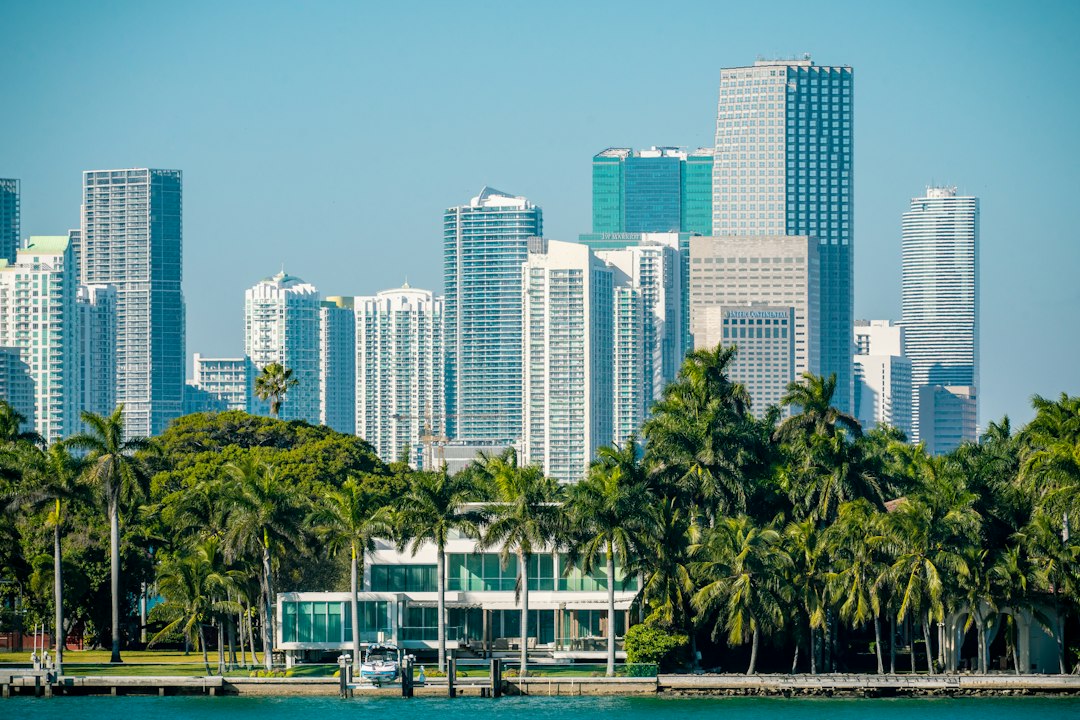
No tool is perfect. Secret World had some uncertainty regarding the updated prices of certain restaurants — indicative prices that in a couple of cases turned out to be slightly underestimated compared to the reality of 2026. Nothing serious, but it's good to know: use the prices as a reference, not as certainty. I also noticed that when I asked very niche questions — like "tell me three cocktail bars with live music in Little Havana that are not just for tourists" — the answer was good but not exceptional, with a couple of suggestions that I would have found on Google Maps as well.
That said, for the structural planning of the itinerary — which is the real work — Secret World made a difference. It saved me at least three hours of research and produced a plan that I followed 80% without significant changes. For a complex trip like Miami, where geographical dispersion is the main problem, having an AI that thinks in geographical clusters is a concrete advantage.
Final vote and why I recommend Secret World
My vote for Secret World AI Trip Planner is 9/10. That one point less is for the prices not always being up-to-date and for some limitations in ultra-specific requests. But for everything else — speed, real customization, geographical logic, ability to understand the brief — it is the best I have tested for a trip to Miami and probably for any complex city with many neighborhoods to coordinate. The other two tools stop at a 6 and a 6.5: usable, but generic.
If you are planning a trip and want to stop wasting hours between blogs, maps, and spreadsheets, try Secret World AI Trip Planner directly on their site. Enter your detailed brief — the more specific you are, the better it responds — and in a few minutes you have a solid itinerary base to work on. For Miami, trust me: you need it.


