
Ferrandina, Miglionico and the Badlands: The Slow Heartbeat of the Hills
Today belongs to the villages that time almost forgot. You start among olive trees that are older than memory, climb to a castle that witnessed a conspiracy that changed the Kingdom of Naples, and end the day watching the earth crack open into otherworldly ravines. No rush — this landscape demands you slow down.
- 1
 Discover this place →
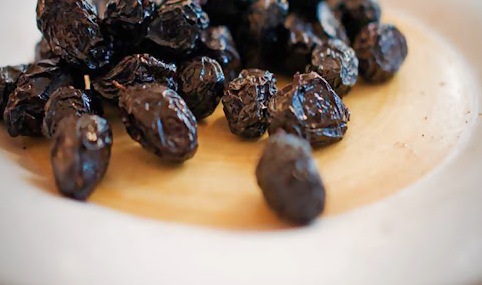
The olive trees of Ferrandina
SecretNestled in the heart of Basilicata, the village of Ferrandina is a jewel steeped in a rich tapestry of history, culture, and gastronomic delight. Among its most cherished treasures are the ancient …
Before entering Ferrandina, stop and look: these ancient olive groves have been producing oil for centuries and most visitors drive right past them. Let yourself wander between the trunks — each one is a living archive.
Details, photos & videos → - 2
 Discover this place →
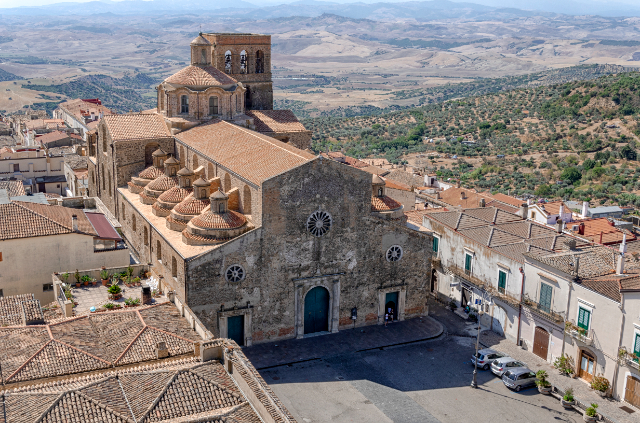
The Church of St. Mary of the Cross
SecretThe Church of Santa Maria della Croce in Ferrandina is an architectural gem that embodies the city's deep religious and artistic history. Located in the charming Piazza Plebiscito, in the heart of …
A small church on the edge of Ferrandina that carries an emotional weight far beyond its size. The frescoes inside are fragile and beautiful — arrive quietly and give your eyes time to adjust to the dim light.
Details, photos & videos → - 3
 Discover this place →
Amaro Lucano
ClassicThe history of Amaro Lucano dates back to the late 19th century in the Basilicata region of southern Italy. It was created by Pasquale Vena, a herbalist from Pisticci, a small town in the province …
Amaro Lucano is one of Basilicata's most beloved exports. This stop is a sensory detour into herbal tradition — taste it as the locals do, without ice, after a meal. Ask about the secret recipe. Nobody will tell you, but the conversation is always worth it.
Details, photos & videos → - 4
 Discover this place →
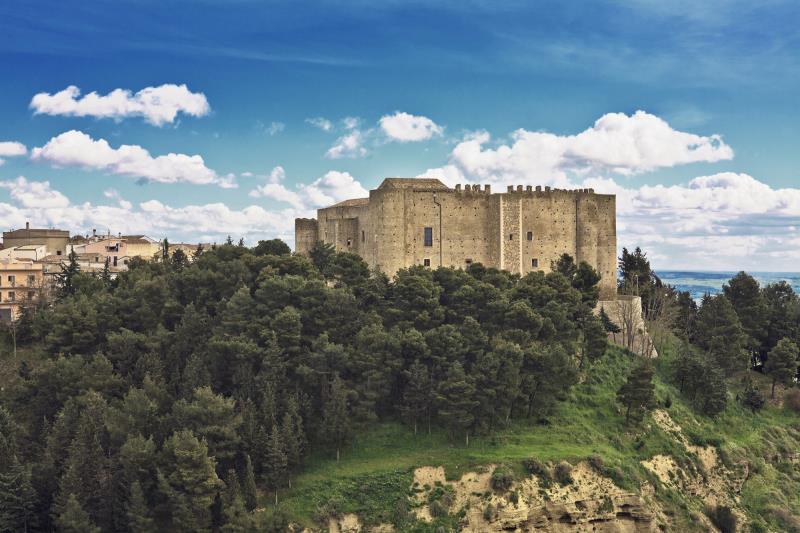
Miglionico
ClassicAccording to tradition, Miglionico was founded by Milone, from whom the name of the town would also derive; he was a famous athlete from Crotone in the 6th century B.C., winner in the battle agains…
Miglionico is the kind of village where a single main square holds centuries of drama. The Conspiracy of the Barons happened here. Walk the streets, peek into the churches, and let the afternoon light do its work on the stone facades.
Details, photos & videos → - 5
 Discover this place →
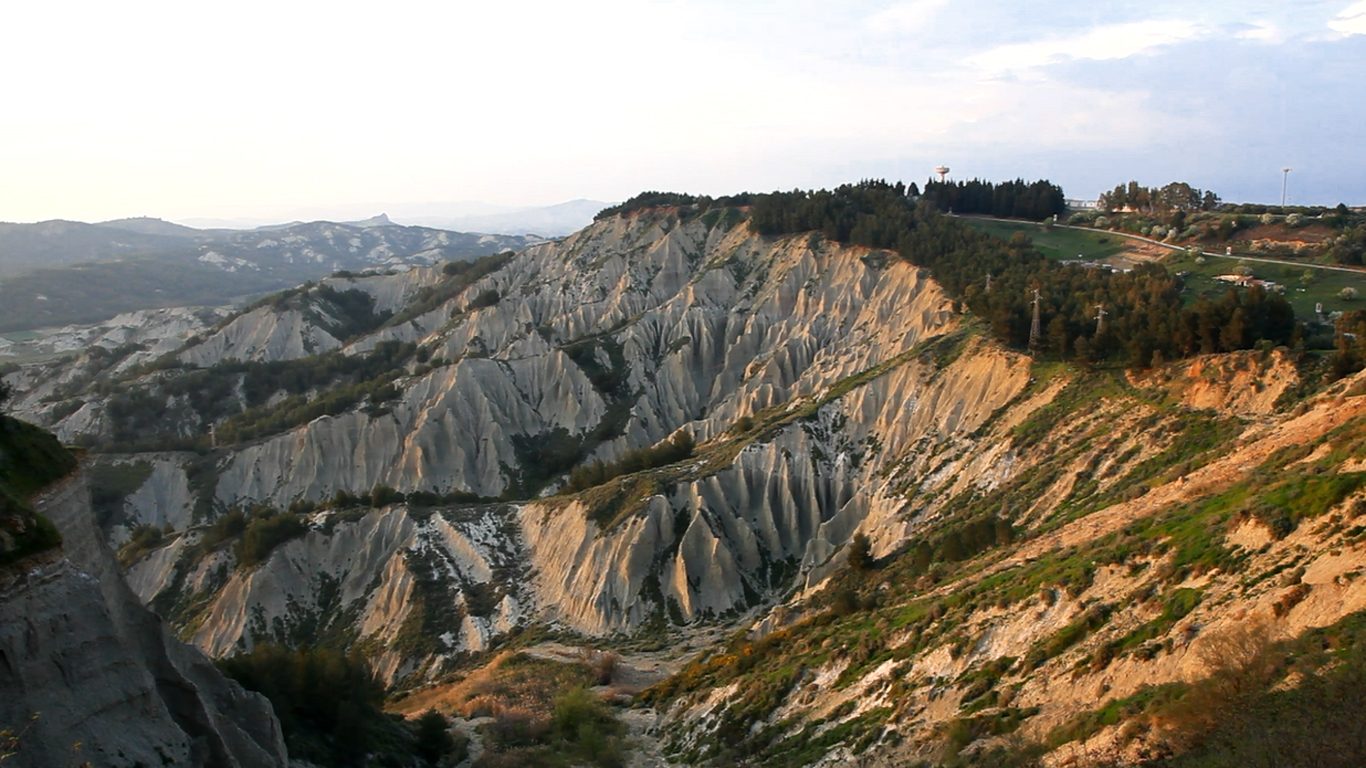
Basilicata: The badlands
SecretThe geological substratum of the gullies area is characterized by the presence of a calcareous basement on which various clay layers mixed with sand and limestone material have been superimposed ov…
End the day at the badlands — the calanchi. These eroded clay gullies look like a scene from another planet, especially at golden hour when the shadows deepen. This is Basilicata's most underrated natural spectacle.
Details, photos & videos →
Matera and Its Satellites: The City That Carved Itself from Rock
Matera is a UNESCO World Heritage Site and deservedly famous, but the way most people visit it — quickly, checking it off — misses the point entirely. Today you enter slowly, through its living room square, into its ancient Sassi, and then escape briefly to a hidden crypt painted by a mysterious Byzantine monk. This is art and history at their most visceral.
- 6
 Discover this place →
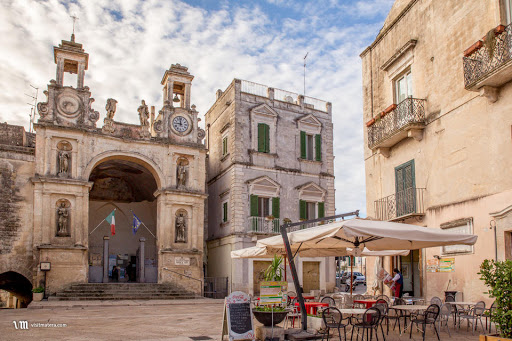
Piazza del Sedile : The living room of Matera
ClassicPiazza del Sedile represents the musical heart of the city: some of the buildings that overlook it house, in fact, the classrooms of the conservatory “Egidio Romualdo Duni”. During the …
Piazza del Sedile is where Matera's daily life has always unfolded. Arrive before the tour groups and have a coffee at a bar on the square. Watch the city wake up. This is your orientation point — everything radiates from here.
Details, photos & videos → - 7
 Discover this place →
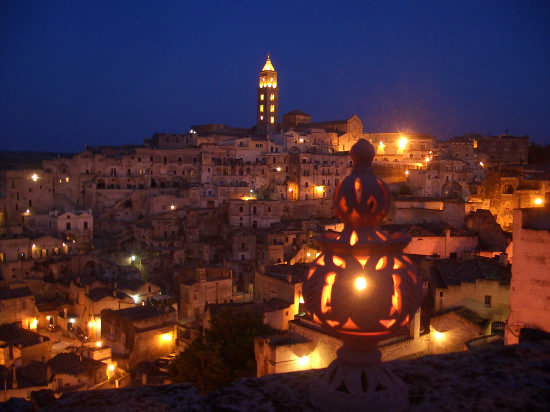
Stones of Matera
ClassicIn the caves of the Sassi is hidden the capital of the peasants, the hidden heart of their ancient civilization. Whoever sees Matera cannot but be struck by it, so expressive and touching is its pa…
Now descend into the Sassi. The Stones of Matera are not just a sight — they are a concept. Families lived in these cave dwellings until the 1950s. Walk slowly, resist the temptation to photograph everything, and try to imagine the smell of a winter fire inside one of these rooms.
Details, photos & videos → - 8
 Discover this place →
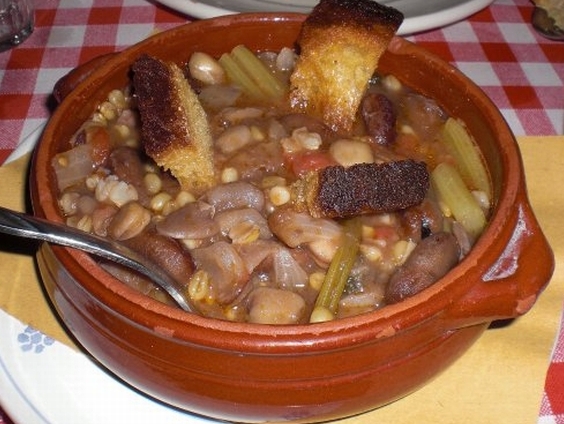
Crapiata materana
SecretWe are now at the beginning of August and this time of year in Matera coincides with the preparation of the famous crapiata, known in the local dialect as "crapiet". It is a particular soup of legu…
Before leaving Matera's orbit, seek out the story of Crapiata — the ancient peasant soup of the Sassi. This is food as memory, food as identity. Find a trattoria that still makes it properly and order a bowl for lunch. It will surprise you with its depth.
Details, photos & videos → - 9
 Discover this place →
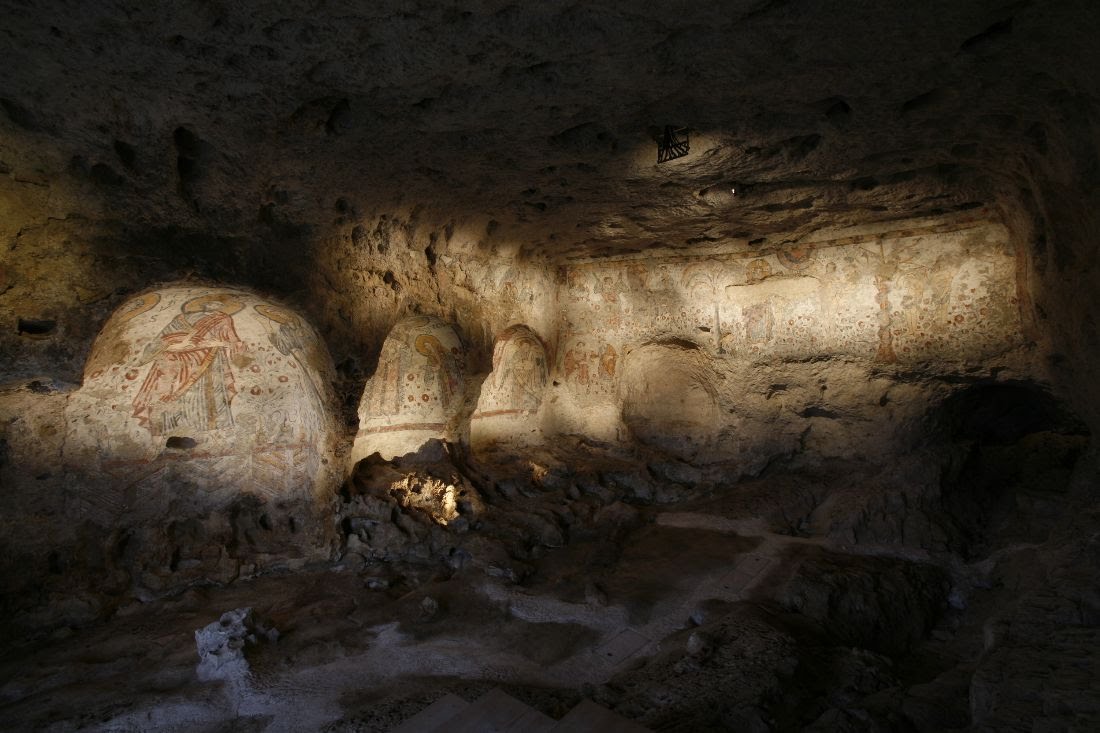
Crypt of Original Sin: A Hidden Gem near Matera, Italy
SecretNestled in the dramatic landscape of Basilicata, the Crypt of Original Sin is a testament to the region’s rich history and artistic heritage. This ancient cave, located just a short drive from the …
A short drive from Matera takes you to the Crypt of Original Sin — sometimes called the Sistine Chapel of cave art. A Benedictine monk painted these astonishing frescoes around the 8th century and they remained hidden for over a millennium. Book in advance: access is limited and that is exactly why it remains extraordinary.
Details, photos & videos → - 10
 Discover this place →
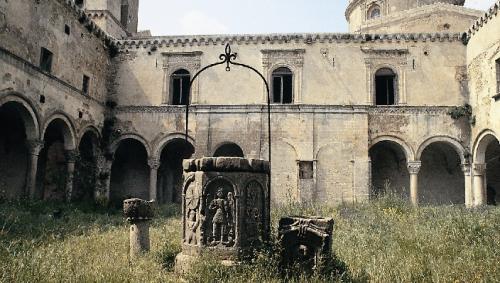
Montescaglioso
SecretThe earliest frequentation of the area is documented from the Bronze Age, while the formation of the first inhabited nucleus is attested around the 9th-8th centuries BC. Greek colonization transfor…
Close the journey at Montescaglioso, perched on its ridge above the Bradano valley. The Benedictine abbey here is one of the largest in southern Italy and almost nobody comes. Walk the cloister in the late afternoon light and let the silence be the last thing you carry home.
Details, photos & videos →


