



Tunisia is a captivating blend of ancient history, vibrant culture, and stunning landscapes. Nestled between the azure waters of the Mediterranean Sea and the vast expanses of the Sahara Desert, this North African nation has long been a crossroads of civilizations. From its Phoenician roots to its role in the Arab world, Tunisia’s rich tapestry of history is woven with tales of conquests, trade, and cultural exchange.
The origins of Tunis can be traced back to the Phoenician city of Carthage, founded in the 9th century BCE. Carthage quickly rose to prominence, becoming a major power in the Mediterranean through trade and military prowess. It was here that the legendary Hannibal crafted his strategies against Rome during the Punic Wars. The city fell to the Romans in 146 BCE, leading to significant Roman influence in the region. Today, visitors can explore the ruins of ancient Carthage, with highlights like the Baths of Antoninus and the Carthage National Museum, which houses artifacts that tell the story of this once-great city.
The art and architecture of Tunisia reflect its diverse history. The medina of Tunis is a UNESCO World Heritage Site, characterized by its winding alleyways and stunning architecture. Notable structures include the Al-Zaytuna Mosque, an architectural gem dating back to the 8th century, which showcases the intricate tile work and arches typical of Islamic architecture. The Bardo National Museum, renowned for its exceptional collection of Roman mosaics, captures the artistic brilliance of the ancient world. Visitors can marvel at scenes depicting mythology, nature, and daily life, providing a glimpse into the past.

Tunisian culture is a vibrant mosaic of influences, where Arab, Berber, and Mediterranean traditions intertwine. The local customs are rich and diverse, with festivals playing a significant role in community life. The Medina Festival in Tunis celebrates traditional crafts, music, and dance, while the Carthage Film Festival showcases emerging filmmakers from Africa and the Arab world. These events are a testament to Tunisia's commitment to preserving its cultural heritage while embracing modernity.
When it comes to gastronomy, Tunisia offers a feast for the senses. The cuisine is a delightful fusion of flavors, with dishes like couscous, often considered the national dish, served with a variety of meats and vegetables. Another local favorite is brik, a crispy pastry filled with egg and tuna, typically enjoyed as a snack or appetizer. Harissa, a spicy chili paste, is a staple in many Tunisian dishes, providing a kick that spice lovers will appreciate. For a refreshing drink, try mint tea, traditionally served in small glasses and often accompanied by a sweet treat.
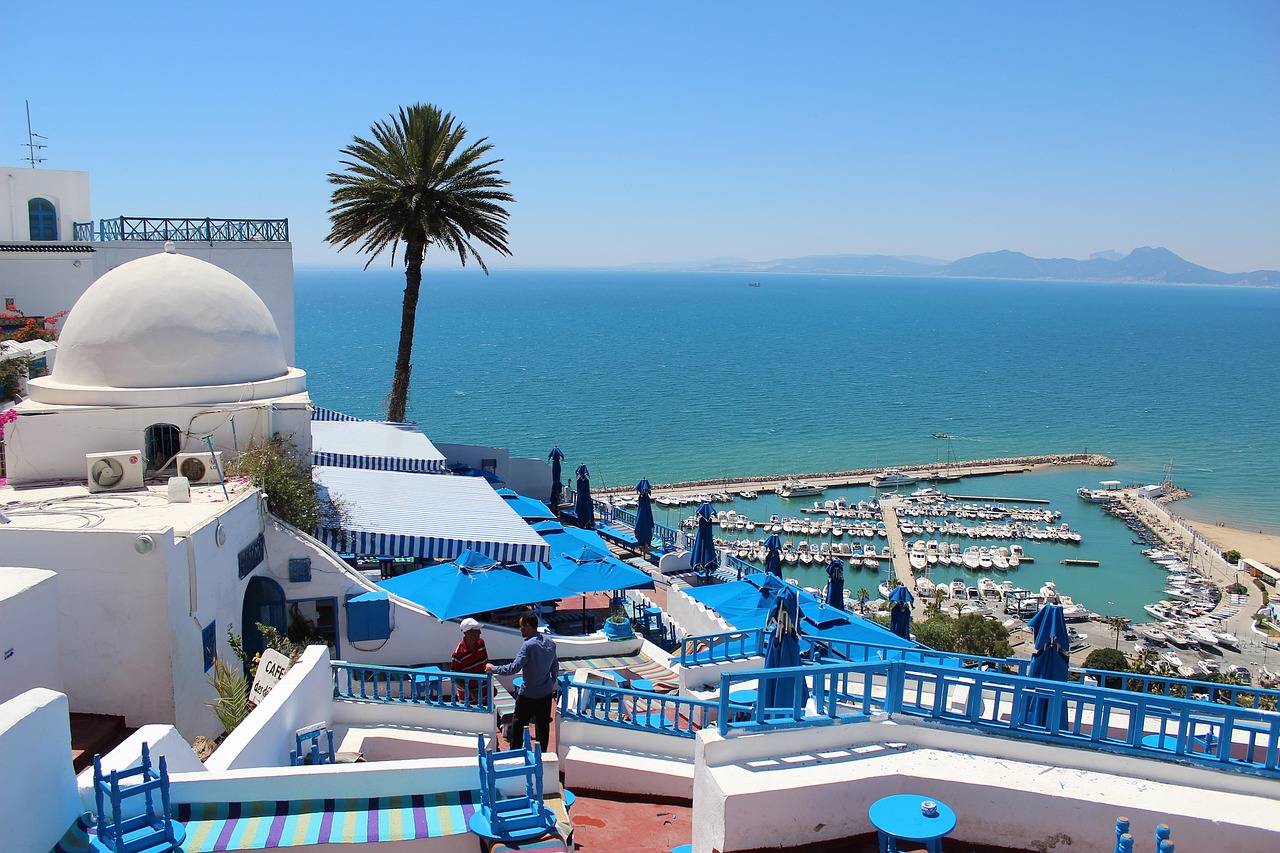
Beyond the well-known attractions, Tunisia is full of lesser-known curiosities that can enrich your travel experience. For instance, the Ksar Ouled Soltane, located in the Mediterranean region, is a stunning example of a traditional granary and has served as a filming location for the Star Wars franchise. Additionally, the blue-and-white town of Sidi Bou Said, perched on a cliff overlooking the sea, offers picturesque views and charming streets that are perfect for leisurely exploration.
The best time to visit Tunisia is during the spring (March to May) and autumn (September to November) months when the weather is mild and ideal for sightseeing. Summer can be scorching, especially in the southern regions. When planning your trip, consider dressing modestly, especially in rural areas, to respect local customs. Don’t miss the chance to haggle in the bustling souks, where you can find everything from spices to handcrafted souvenirs.
As you explore this enchanting country, take time to immerse yourself in its history, savor its flavors, and engage with its warm-hearted people. From the ancient ruins of Carthage to the vibrant streets of Tunis, Tunisia promises a journey that is as enriching as it is memorable. For a personalized itinerary tailored to your interests, consider using the Secret World app to plan your visit.
