



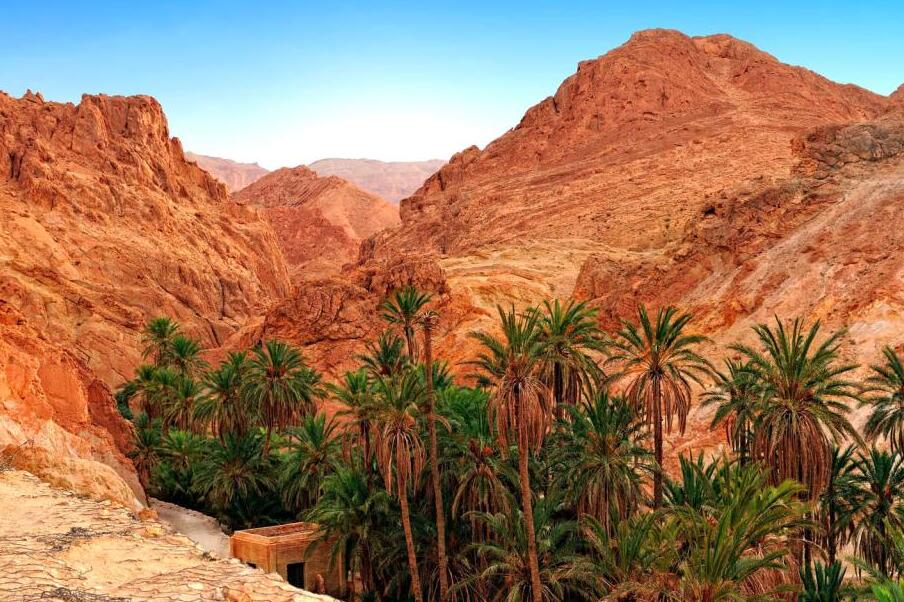
In the heart of west Tunisia, the Chebika Oasis emerges as a stunning testament to the resilience of nature and human ingenuity. Tucked away in the Djebel el Negeb mountain range, this oasis is not merely a lush expanse of greenery amid the arid desert; it is a vibrant locale steeped in history, art, and culture, offering visitors an unparalleled glimpse into the harmony between man and nature.
### History and Origins
The roots of Chebika stretch back to ancient times, with its origins believed to date back to the Roman Empire. The oasis served as a vital stop on trade routes, providing water and sustenance to travelers. The Romans established a settlement here known as Tebessa, which was instrumental in the region's agricultural development. However, the oasis gained fame during the Islamic period, as it became a refuge for the local Berber tribes, who sought shelter from the harsh desert conditions.

A significant historical event occurred in 1969, when the region experienced devastating floods, leading to the relocation of many inhabitants to the nearby village of Tamerza. This natural disaster transformed Chebika, leaving behind the remnants of the old village, which now add a haunting beauty to the landscape.
### Art and Architecture
The architectural style of Chebika is a blend of traditional Berber and Islamic influences, characterized by its use of local materials such as stone and mud. The remains of the old village, with its crumbling walls and narrow alleys, tell a story of a bygone era. Visitors can explore the Kasbah, a fortified structure that once served as a lookout point, providing breathtaking views of the surrounding landscape.
In the backdrop, the rugged mountains contrasting with the lush greenery of the oasis create a canvas that has inspired many artists. Local craftsmanship is evident in the handmade textiles and pottery available in the small markets, which showcase the artistic talents of the residents.
### Local Culture and Traditions
The culture of Chebika is deeply rooted in Berber traditions, with local customs reflecting a rich tapestry of history. Festivals are an integral part of life here, with the Festival of Oases celebrated annually to honor the importance of oases in the region's agricultural practices. During this festival, visitors can experience traditional music, dance, and local handicrafts, providing a glimpse into the vibrant cultural heritage of the area.
Daily life in Chebika revolves around family and community, with customs such as communal meals playing a significant role. The warm hospitality of the locals is evident as they invite visitors to share in their meals, often featuring traditional dishes like couscous and brik, a savory pastry filled with eggs and tuna.
### Gastronomy
The cuisine of Chebika is a delightful fusion of flavors, heavily influenced by both Berber and Mediterranean traditions. One of the must-try dishes is couscous, typically served with stewed vegetables and tender meat, showcasing the agricultural bounty of the oasis. The region is also known for its dattes, particularly the sweet Deglet Nour dates, which are often enjoyed fresh or used in local desserts.
Another local specialty is lablabi, a chickpea soup seasoned with spices, perfect for warming up after a day of exploring. Visitors should not miss the chance to sip on mint tea, a staple in Tunisian culture, often served as a sign of hospitality.
### Lesser-Known Curiosities
Beyond its stunning landscapes and rich history, Chebika holds unique stories that many tourists might overlook. For instance, the nickname “Castle of the Moon” refers to the way the sunlight reflects off the surrounding mountains at dusk, creating a magical ambiance. Additionally, the oasis has been a filming location for several Hollywood movies, including scenes from Star Wars: Episode IV – A New Hope and The English Patient, which have contributed to its allure.
One can also find ancient irrigation systems that date back to Roman times, illustrating the ingenuity of past civilizations in adapting to the harsh environment. These systems continue to support local agriculture, showcasing a sustainable way of life that has persisted for centuries.
### Practical Visitor Information
The best time to visit Chebika is during the spring (March to May) and autumn (September to November) months, when the weather is mild and the oasis is in full bloom. It is advisable to wear comfortable shoes for exploring the rocky terrain and to carry plenty of water to stay hydrated.
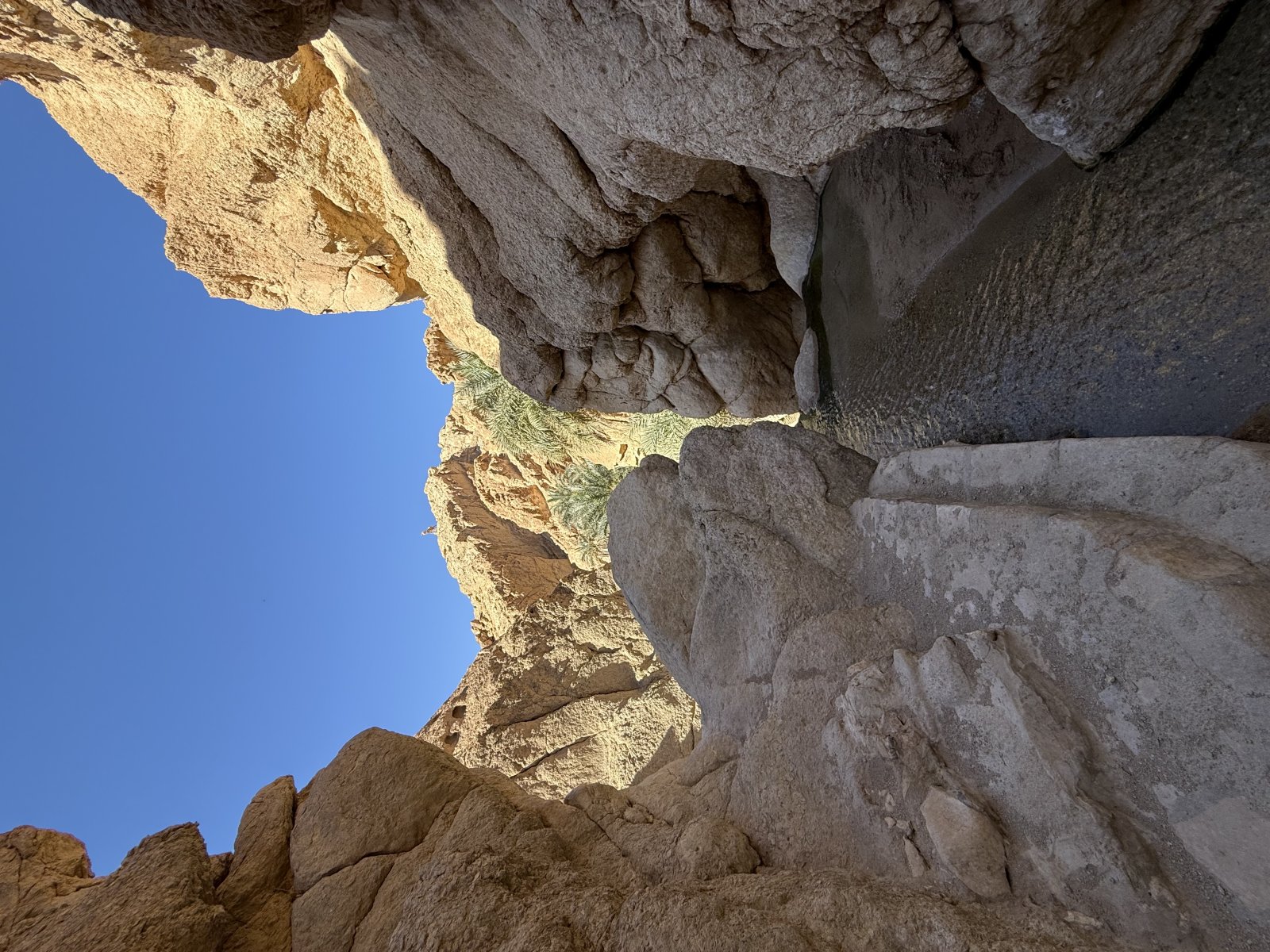
When visiting, be sure to look for the waterfalls that cascade down the mountainsides, particularly after rainfall, creating a stunning natural spectacle. Engaging with local artisans in the market offers a chance to take home a piece of Chebika’s rich culture.
For an unforgettable adventure that captures the essence of Chebika, consider using the Secret World app to plan a personalized AI itinerary to visit this enchanting oasis.
