



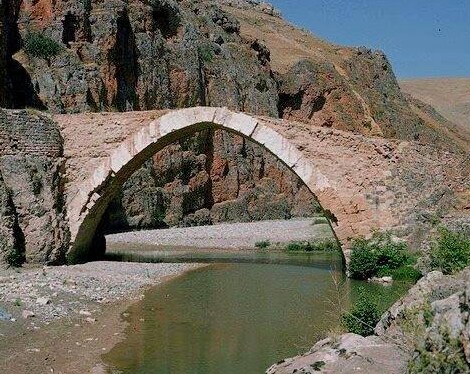
Nestled in the heart of Eastern Anatolia, the Karamagara Bridge stands as a testament to Byzantine engineering and architecture. Built in the 5th or 6th century, it is recognized as possibly the earliest known example of a pointed arch bridge, a significant milestone in the evolution of bridge design. This remarkable structure once served as a critical crossing over the Murad River, facilitating travel along a vital Roman road leading to the ancient city of Melitene. The bridge’s history intertwines with the greater narrative of the region, a crossroads of cultures and empires for centuries.
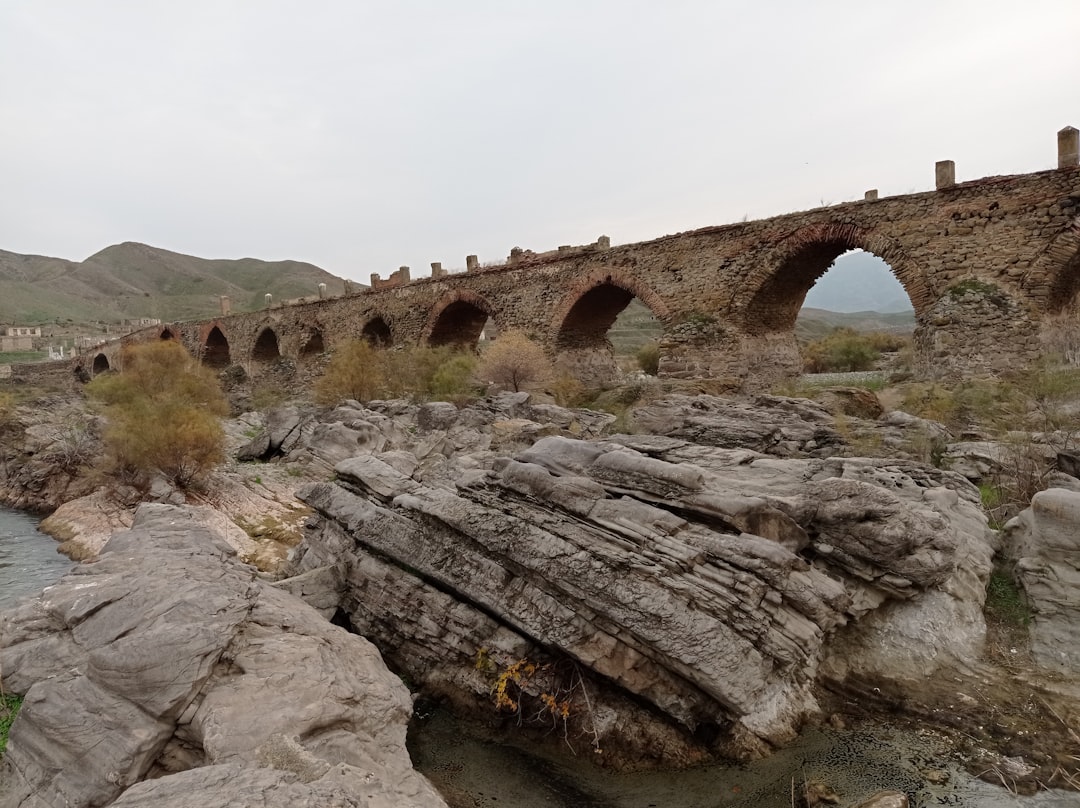
The Karamagara Bridge is distinguished by its single pointed arch, rising dramatically from the riverbed, a design that speaks to the ingenuity of its creators. Its architectural style reflects the blend of Roman practicality and Byzantine artistry, evident in the precise stonework and the elegant curve of the arch. Although the bridge was submerged after the completion of the Keban Dam in 1975, it remains an iconic relic that has been studied for its historical and engineering significance, notably by scholars from the Middle East Technical University in Ankara.
Local culture around the Karamagara Bridge is steeped in the rich traditions of Eastern Anatolia. The region is known for its hospitality, with local customs emphasizing the importance of community and sharing. Festivals such as the Keban Water Festival celebrate the area’s connection to water and agriculture, drawing visitors and locals alike to partake in traditional music, dance, and food. These events highlight the enduring cultural significance of the region, making it a vibrant part of local identity.
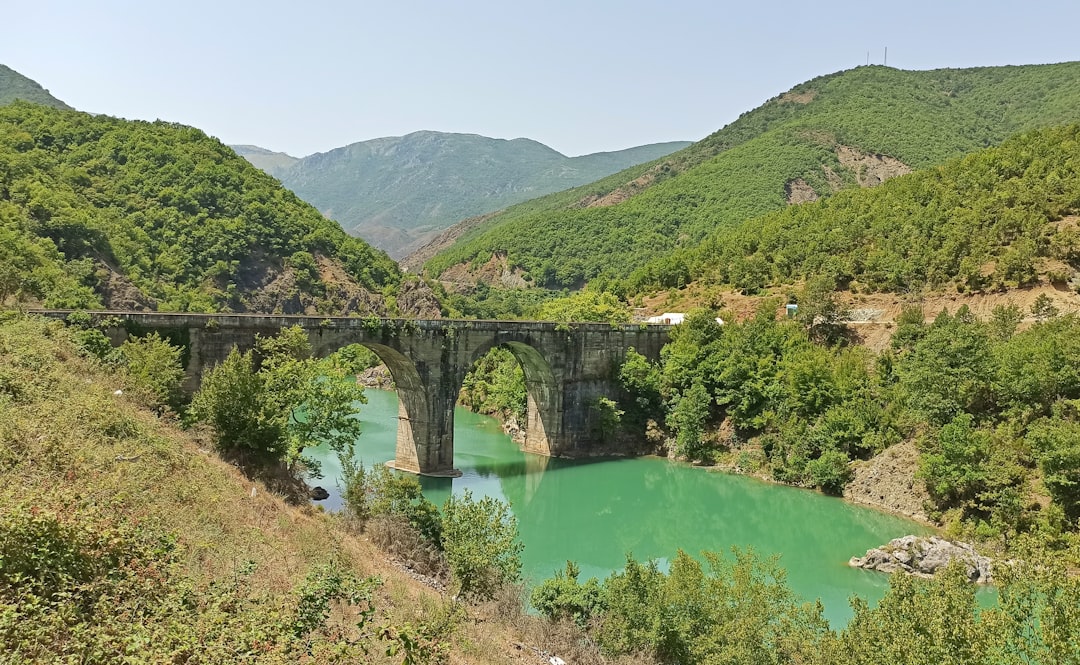
Speaking of food, the culinary offerings around the Karamagara Bridge are a delightful reflection of Anatolian gastronomy. Visitors can savor local specialties such as Kebabs, Dolma (stuffed grape leaves), and Pide (a type of flatbread often topped with cheese, meat, or vegetables). The region is also known for its Turkish coffee, a staple of hospitality that embodies the essence of local tradition. The flavors of Eastern Anatolia are robust and hearty, often accompanied by fresh herbs and spices that reflect the agricultural bounty of the area.
For the curious traveler, Karamagara Bridge holds many lesser-known stories. One intriguing fact is that it was not only a route for travelers and traders but also a strategic military crossing during various conflicts, including the Byzantine-Sassanian Wars. Its architectural design was likely influenced by the need for both durability and aesthetic appeal, making it a point of pride for the builders of the time. The bridge's submerged state has sparked interest among historians and archaeologists, leading to ongoing discussions about potential underwater explorations to uncover more about its construction and the life around it during its operational years.
When planning a visit to the Karamagara Bridge, the best time to go is during the spring or fall when the weather is pleasant and the landscape is lush. Although the bridge itself is no longer accessible for walking, the surrounding scenery offers ample opportunities for photography and exploration. Bring a picnic to enjoy by the riverbank, and don't forget to capture the sunset, which casts a magical glow over the remnants of this ancient marvel.
For those interested in history, architecture, and local culture, Karamagara Bridge provides a compelling glimpse into the past. As you explore this captivating site, you’ll find that the stories it holds are as deep as the waters that now flow above it. Whether you are a history buff, an architecture enthusiast, or simply a traveler looking for hidden gems, the Karamagara Bridge is a must-see destination in Eastern Anatolia.
To make the most of your visit, consider using the Secret World app to create a personalized itinerary that highlights the fascinating history and culture surrounding this remarkable bridge.
