
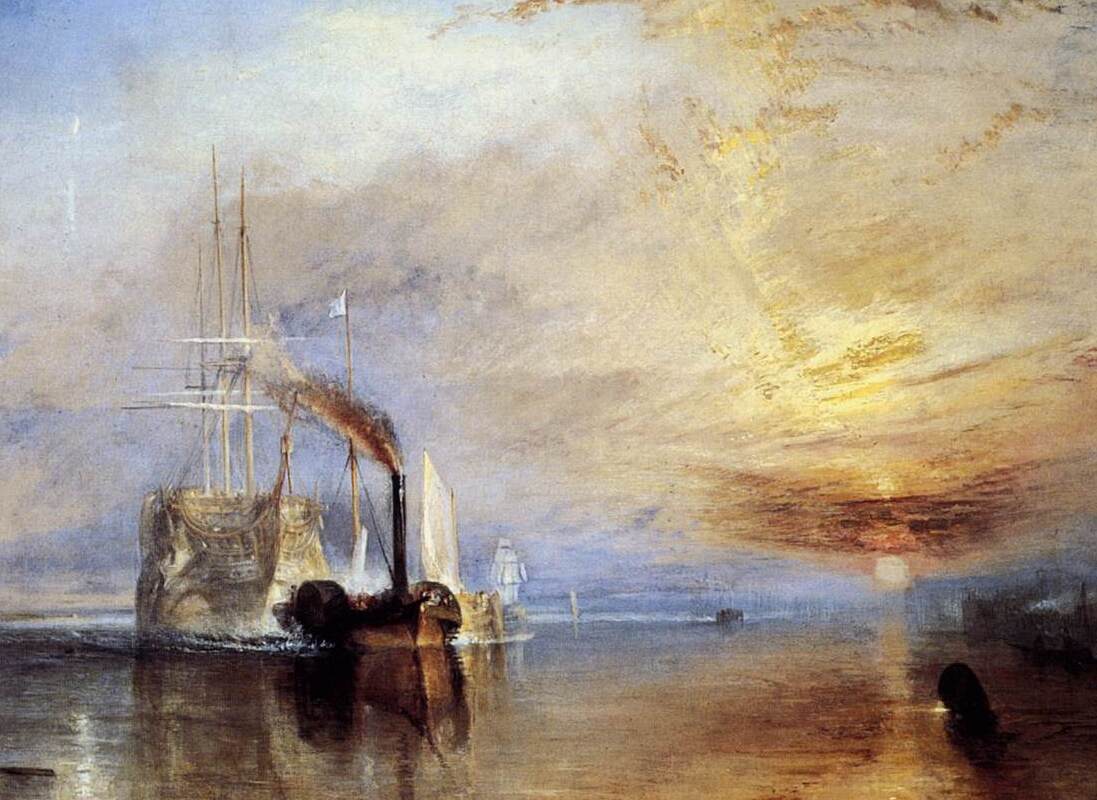

In the heart of London, a tale of naval glory and artistic genius unfolds, encapsulated in J.M.W. Turner’s iconic painting, *The Fighting Temeraire tugged to her last berth to be broken up, 1838*. This masterpiece reflects a poignant moment in British history, intertwining the legacy of the HMS Temeraire and the broader narrative of the Battle of Trafalgar.
The Battle of Trafalgar, fought on 21 October 1805, was a pivotal naval engagement during the Napoleonic Wars. Led by Vice Admiral Horatio Nelson, the British fleet decisively defeated the combined forces of France and Spain, securing British naval supremacy for over a century. Nelson’s innovative tactics and heroic leadership during the battle have made him a national icon, with Trafalgar Square in London serving as a lasting tribute to his legacy.
The HMS Temeraire played a heroic role in this battle, famously engaging in combat against the French ship Redoutable. The ship was renowned for her strength and resilience, earning a place in the hearts of the British public. However, by the late 1830s, Temeraire's glory had faded. After her decommissioning in 1812, she was repurposed multiple times, serving as a prison ship and later as a floating storage facility. The final journey up the River Thames to the shipyard for dismantling symbolizes the end of an era, a theme that Turner poignantly captured in his painting.
Turner's engagement with the ship's demise reflects a broader emotional landscape, one marked by ambivalence toward change and the passage of time. His use of light and color in the painting contrasts the vibrant sunset with the dark tugboat, a metaphor for the fading glory of Britain’s naval power. The painting is not merely a historical record; it is an emotional exploration of loss and memory, an artistic testament to the complexities of national identity.
The architectural style of the era, particularly in the context of naval history, is also noteworthy. Nelson’s Column in Trafalgar Square, completed in 1843, stands as a monumental tribute to the Admiral, towering over the square with its Corinthian column and statue of Nelson at its peak. The surrounding area showcases the neoclassical architecture characteristic of London, blending history with artistry in an evocative urban landscape.
Beyond history and art, London’s local culture is rich with traditions that echo its past. The Trafalgar Day celebrations, held annually on 21 October, commemorate the naval victory with parades, reenactments, and festivities. These events not only honor Admiral Nelson and his crew but also foster a sense of community and national pride. The British Navy’s presence in the city remains palpable, with various naval museums and maritime events that celebrate the country’s seafaring legacy.
Gastronomically, London offers a tapestry of flavors that reflects its multicultural fabric. Traditional British fare, such as fish and chips, pays homage to the maritime heritage, with local fish caught from the surrounding waters. A visit to the historic Borough Market will introduce you to classic delicacies like Cornish pasties and artisanal cheeses, alongside international cuisines that mirror the city’s diversity. Don’t miss the chance to try a Pimm's cocktail, a quintessentially British summer drink, especially during the warmer months when outdoor festivities abound.
For those venturing off the beaten path, several lesser-known curiosities enhance the experience of visiting this historic area. Did you know that the National Gallery, located in Trafalgar Square, houses a secret collection of works by Turner himself? Many visitors overlook this treasure trove of paintings, including *The Fighting Temeraire*. Additionally, the nearby Admiralty Arch has a fascinating story; it was originally built to commemorate Queen Victoria's diamond jubilee and now serves as a gateway to The Mall, leading to Buckingham Palace.
For an optimal experience, the best time to visit London is during the late spring and early autumn, when the weather is mild and the city hosts numerous outdoor events. Make sure to take a leisurely stroll along the Thames, where you can catch glimpses of historical landmarks and modern developments. As you explore, look for hidden gems like the Turner Contemporary gallery in Margate, which pays homage to Turner’s legacy and his connection to the sea.
In planning your journey, consider using the Secret World app to create a personalized itinerary that highlights both the iconic and the lesser-known aspects of London’s rich tapestry.


