



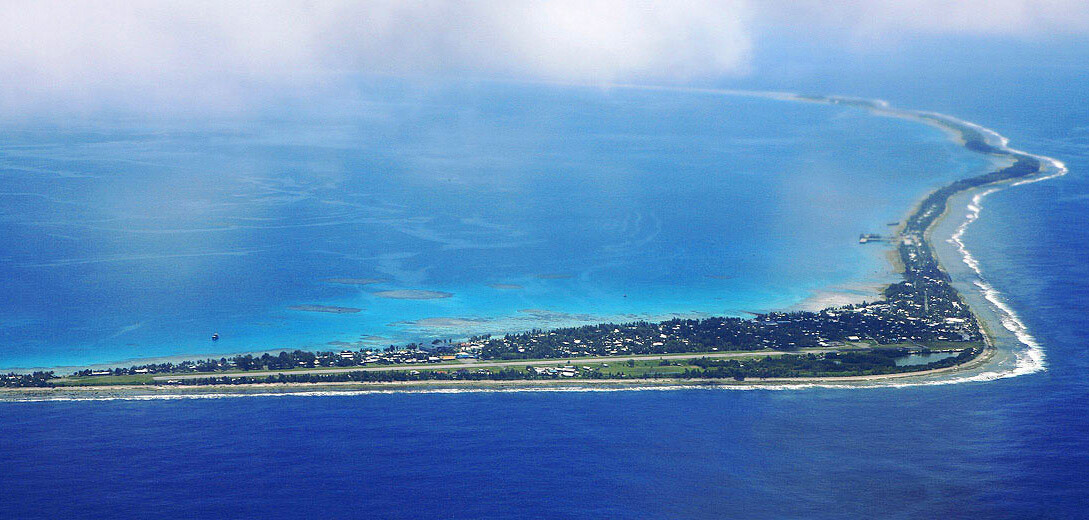
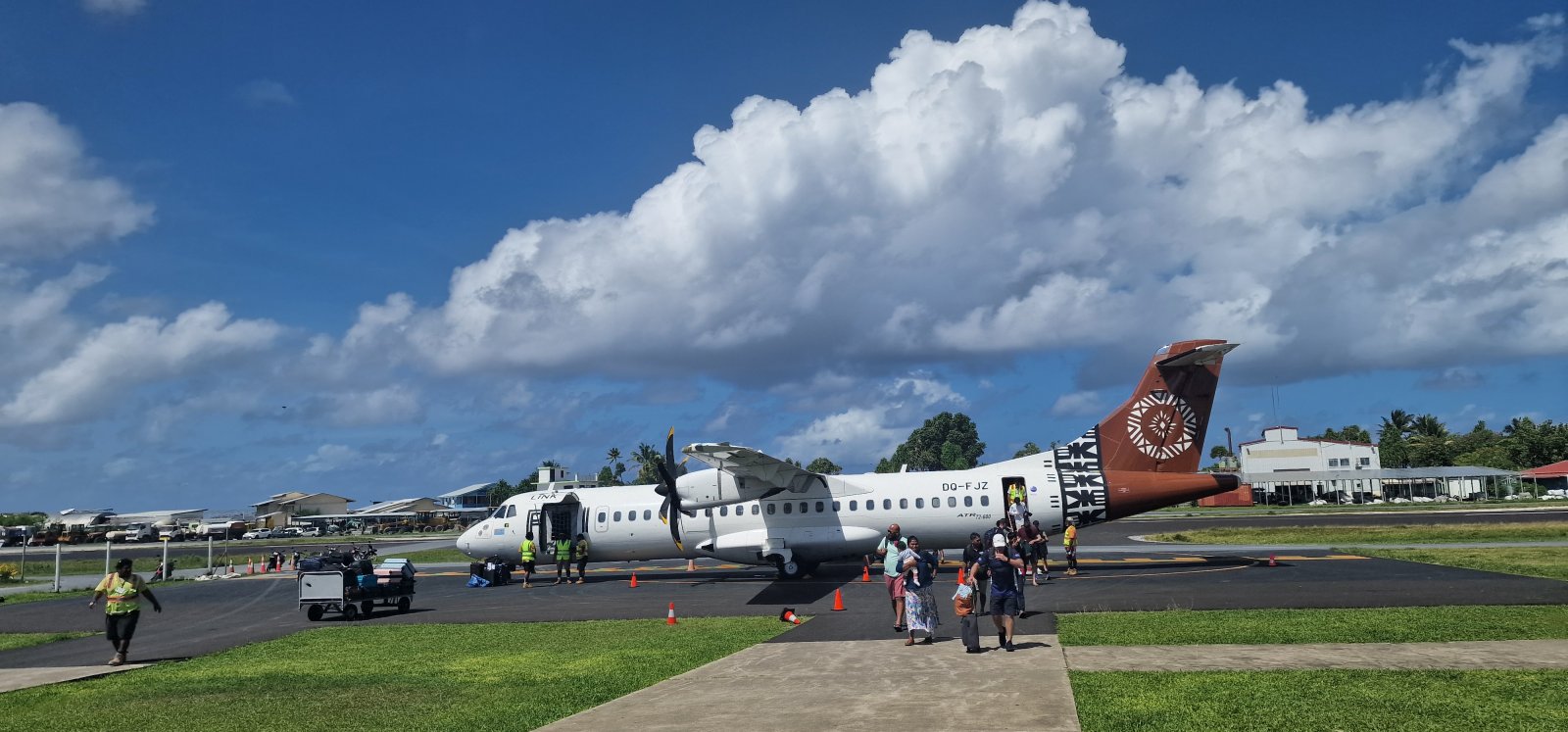
Funafuti, the vibrant capital of Tuvalu, is a captivating destination that embodies the essence of Pacific island life. This skinny atoll, composed of 30 islets, offers stunning views that are best appreciated from the air or the ground, where the gentle embrace of sea, coral, and sand envelops you. The islet of Fongafale, the most developed area, features a small airstrip, a deep-sea wharf, and remnants of a causeway built by American forces during World War II. The history of Funafuti is rich and layered, with roots tracing back to the ancient Polynesians who navigated the vast Pacific Ocean long before European explorers arrived. In 1892, Tuvalu was claimed as a British protectorate, which brought about a series of changes that shaped its modern identity. The islets have witnessed significant historical events, including the establishment of a military base by the United States during the war, which played a crucial role in the Pacific theater.
The architecture of Funafuti is a fascinating blend of traditional and modern influences. Traditional Tuvaluan structures, often built from local materials like palm fronds and timber, evoke a sense of harmony with nature. Visitors will find fale—open, airy buildings that serve as communal spaces—scattered throughout the islets. Notable artworks include vibrant tapa cloth designs and intricate carvings that reflect the islanders' connection to their environment and ancestral beliefs. The artistic significance of these works extends beyond mere aesthetics; they are vital expressions of Tuvalu's cultural identity, often showcased during local festivals.
Local culture thrives in Funafuti, where customs and traditions are integral to daily life. One such tradition is the practice of “Te Lapa,” a ceremonial gathering where community members come together to share stories, music, and dance. Festivals like “Fatele”, a traditional dance festival, highlight the islanders' rich cultural heritage, featuring performances that tell stories of love, history, and the sea. The importance of community is palpable here, as individuals participate in various activities that promote unity and cooperation.

When it comes to gastronomy, Funafuti offers a delightful array of local dishes that reflect its maritime culture. Fresh seafood reigns supreme, with delicacies like palusami—a dish made from taro leaves and coconut cream—being a staple at communal feasts. Other popular dishes include fish and coconut bread, often accompanied by local fruits such as bananas and papayas. Traditional drinks like kava, made from the root of the kava plant, are commonly served during gatherings, fostering a sense of relaxation and camaraderie among participants.
For those willing to dig a little deeper, there are lesser-known curiosities that make Funafuti unique. One fascinating aspect is the Tuvaluan language, which has only about 11,000 speakers, making it one of the smallest languages in the world. Furthermore, Funafuti is considered one of the least visited capitals globally, with only a handful of tourists arriving each year, allowing for a more intimate experience with the local culture. The atoll is also home to the Funafuti Conservation Area, a protected marine reserve that showcases vibrant coral reefs and diverse marine life, providing opportunities for snorkeling and diving in crystal-clear waters.
The best time to visit Funafuti is during the dry season, which typically runs from May to October. This period offers more favorable weather conditions, with lower humidity and less rainfall, making it ideal for outdoor activities. When planning your visit, consider staying in locally-run guesthouses to immerse yourself in the culture fully. Be sure to pack lightweight clothing, sunscreen, and a camera to capture the stunning landscapes.
In conclusion, Funafuti is a hidden gem in the Pacific, rich in history, culture, and natural beauty. Whether you’re exploring its fascinating past, indulging in local cuisine, or engaging with the warm and welcoming community, this atoll promises a unique experience that lingers long after you leave. For a personalized journey through this enchanting destination, consider using the Secret World app to plan your itinerary.
