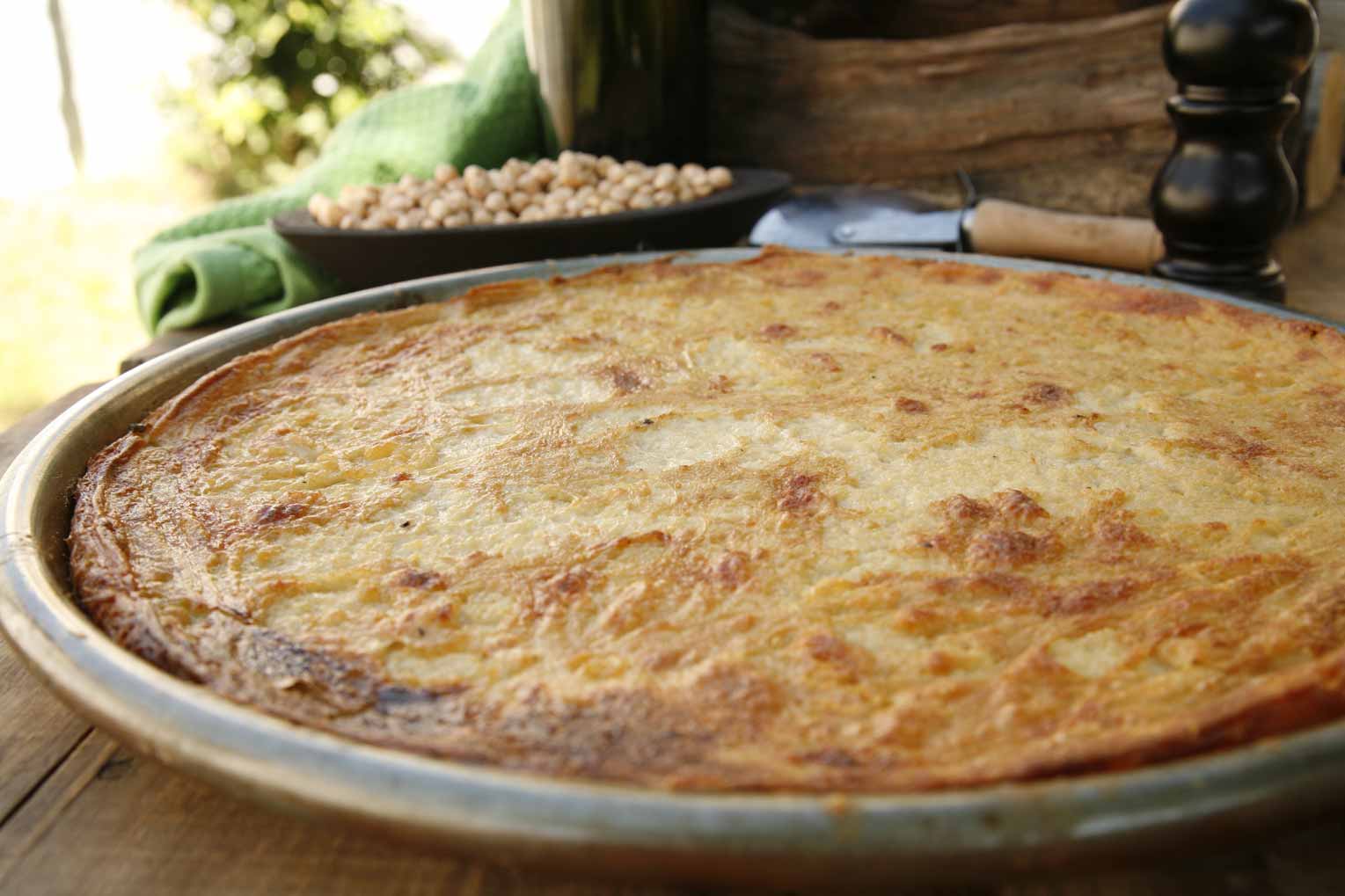

In the sunny streets of Nice, the tantalizing aroma of socca wafts through the air, beckoning locals and travelers alike to indulge in one of the city's most cherished culinary delights. This simple yet flavorful dish, made from chickpea flour, is not just a meal; it embodies the spirit and history of Vieux Nice, the old town that serves as a vibrant backdrop for this culinary tradition.
### History and Origins
The origins of socca trace back to the 17th century, a time when Nice was an integral part of the Kingdom of Sardinia. The dish is believed to have evolved from the Italian farinata, a similar chickpea pancake that has its roots in ancient Rome. As trade flourished along the Mediterranean, chickpeas became a staple in the region, leading to the creation of socca in the bustling streets of Nice.
Notably, socca has been a part of the local culture during significant historical events. During the French Revolution, it was a popular meal among the working class, providing a nutritious option that could be made easily and inexpensively. Today, it remains a beloved comfort food, symbolizing the resilience and creativity of the people of Nice.
### Art and Architecture
As you wander through the narrow alleyways of Vieux Nice, you are met with a stunning display of Baroque architecture, with its pastel-colored buildings and intricate facades. The Cathédrale Sainte-Réparate, a prime example of Baroque design, stands as a centerpiece in the old town. The vibrant atmosphere of the streets mirrors the lively spirit of socca, often served from rustic food stalls and charming cafes that dot the landscape.
In this artistic hub, the cultural significance of socca becomes clear. It is not merely a dish but a canvas for local artisans who craft it to perfection. The art of making socca involves a special copper pan, which is traditionally placed in a wood-fired oven, allowing for the ideal balance of a crispy exterior and a soft, fluffy interior.
### Local Culture and Traditions
Socca is deeply entwined with Niçoise culture, often enjoyed during local festivities. One of the most notable celebrations is the Carnaval de Nice, where food stalls line the streets, offering socca alongside other regional specialties. Here, the vibrant colors and sounds of carnival festivities create a bustling atmosphere, encouraging both locals and visitors to gather and share in the joy of communal dining.
Moreover, socca is often enjoyed during an afternoon game of pétanque, a popular pastime in Nice. The combination of good food and friendly competition exemplifies the laid-back Mediterranean lifestyle, where social interactions are as important as the meal itself.
### Gastronomy
While socca is the star of the show, it is often accompanied by other local delicacies, such as pan bagnat (a Niçoise sandwich) and ratatouille. For beverages, a glass of rosé wine or a local Pastis complements the flavors beautifully. The local markets, particularly the Cours Saleya, offer a rich array of fresh produce and regional ingredients that highlight the culinary heritage of Nice.
In addition to socca, don’t miss trying farcis niçois, stuffed vegetables that reflect the region's agricultural bounty. The emphasis on fresh, seasonal ingredients is a testament to the area's commitment to culinary excellence.
### Lesser-known Curiosities
Despite its popularity, socca holds a few secrets that many tourists may overlook. For instance, the best socca is said to be found at Chez Pipo, a family-run establishment that has been serving the dish since 1920. Locals often share a tip: the perfect socca should be slightly charred, offering a smoky flavor that elevates the dish.
Another curiosity is the unique way socca is served. It is typically sliced into wedges and enjoyed plain or with a drizzle of olive oil and a sprinkle of black pepper. Some adventurous souls even pair it with a dash of harissa for an extra kick.
### Practical Visitor Information
The best time to visit Nice is during the spring and early autumn months when the weather is pleasantly warm, and the crowds are manageable. If you’re looking to savor authentic socca, head to Vieux Nice, where you can find street vendors and quaint cafes offering this iconic dish.
When visiting, take a moment to enjoy the ambiance of the streets. Look for bustling markets, where you can sample socca fresh off the grill. Don’t be shy to engage with the locals; they are often more than happy to share their recommendations and stories about this beloved dish.
Whether you’re strolling through the old town or enjoying a game of pétanque, socca is more than just food—it's a cultural experience that captures the essence of Nice.
For a tailored experience to uncover the hidden gems of Nizza, consider using the Secret World app to plan your personalized itinerary.
