
← Back

Ubari or Awbari is a Tuareg-speaking oasis town

Ubari, Libia ★★★★☆ 2,432 views
Ranita Tata
Ubari
🏆 AI Trip Planner 2026

Get the free app

Discover the best of Ubari with Secret World — the AI trip planner with 1M+ destinations. Get personalized itineraries, hidden gems and local tips. Free on iOS & Android.

🧠 AI Itineraries 🎒 Trip Toolkit 🎮 KnowWhere Game 🎧 Audio Guides 📹 Videos
Scan to download iOS / Android
Scan for AppGallery Huawei users

About Ubari or Awbari is a Tuareg-speaking oasis town

Ubari or Awbari is a Tuareg-speaking oasis town - Ubari | Secret World Trip Planner

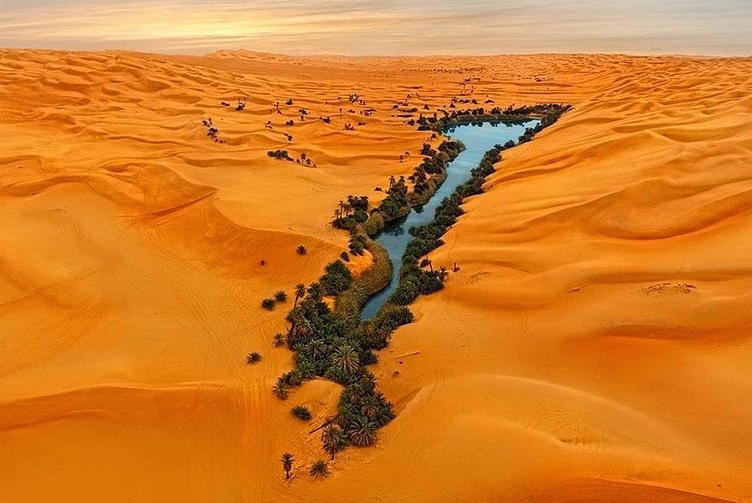
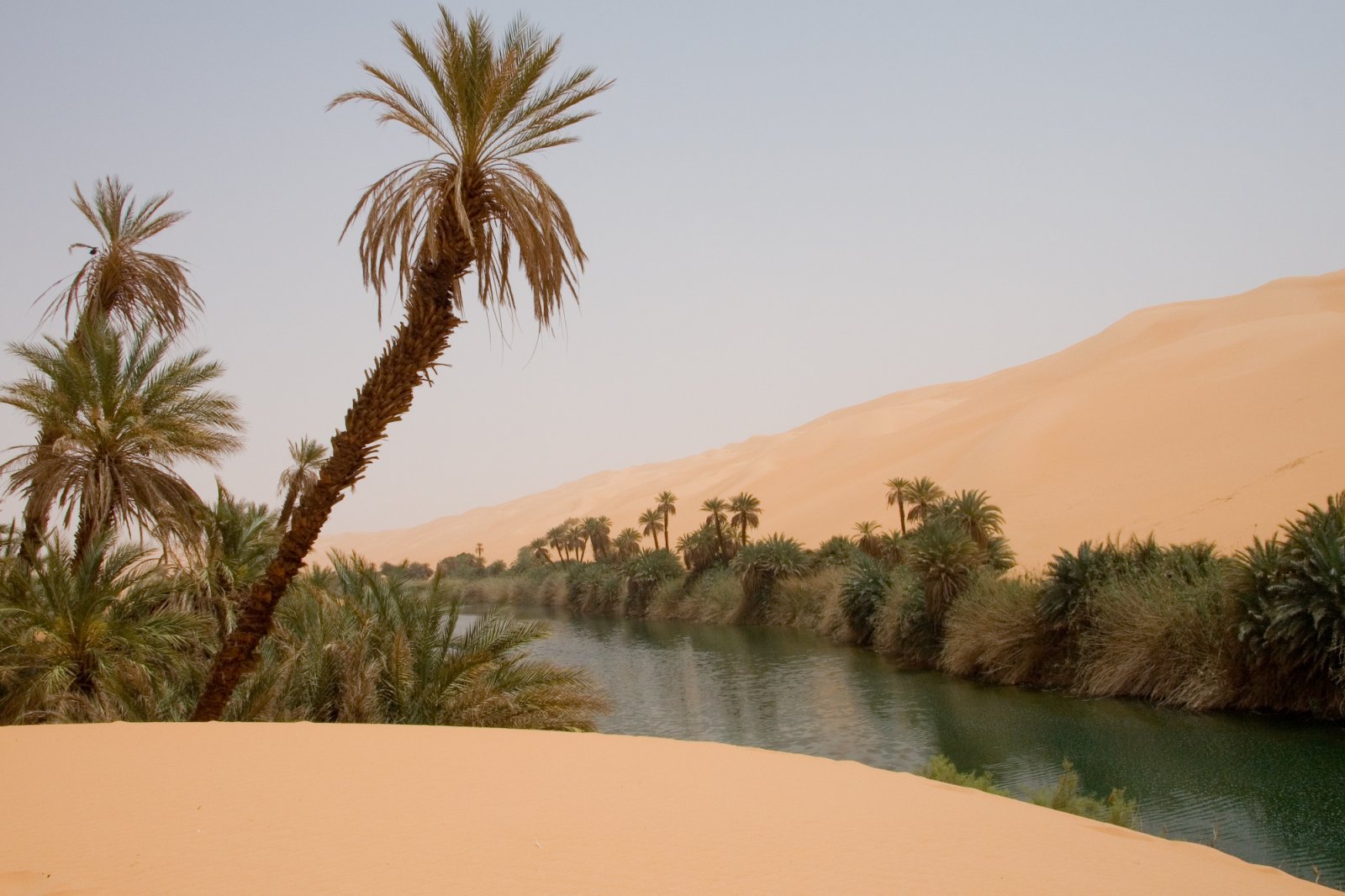
Nestled in the heart of the Sahara Desert, Ubari (or Awbari) is a captivating Tuareg-speaking oasis town that offers a unique glimpse into Libyan history and culture. As the capital of the Wadi al Hayaa District in the Fezzan region, Ubari is surrounded by the breathtaking Idehan Ubari, an expansive desert landscape that feels almost surreal. Visitors are greeted by the sight of approximately twenty small salt lakes, their shimmering surfaces contrasting beautifully with the arid surroundings.

Ubari or Awbari is a Tuareg-speaking oasis town - Ubari | Secret World Trip Planner

### History and Origins The history of Ubari is deeply intertwined with the nomadic Tuareg people, who have inhabited this region for centuries. The oasis itself is believed to have been established as a vital stop along trade routes that connected North Africa to sub-Saharan Africa. Historically, it served as a hub for caravans transporting goods such as salt, gold, and slaves. In the 19th century, Ubari became a focal point for European explorers and traders, eager to uncover the mysteries of the Sahara.

Throughout its history, Ubari has been a melting pot of cultures, influenced by Berber, Arab, and Tuareg traditions. The town's strategic location made it a target during the Libyan Civil War, but it remains a resilient community that honors its rich legacy.

Ubari or Awbari is a Tuareg-speaking oasis town - Ubari | Secret World Trip Planner

### Art and Architecture The architectural style of Ubari reflects its unique cultural heritage. The town features traditional mud-brick structures known as qsar, which are designed to withstand the harsh desert climate. These buildings are often adorned with intricate geometric patterns and vibrant colors, showcasing the artistic flair of the Tuareg people.

One notable artistic highlight is the mosque of Ubari, which exemplifies the blend of Islamic and local architectural styles. The craftsmanship of local artisans is also evident in the beautifully woven textiles and handcrafted jewelry, often decorated with silver and semi-precious stones.

### Local Culture and Traditions Ubari is a vibrant hub of Tuareg culture, characterized by its music, dance, and festivals. The Ghadames Festival, celebrated annually, showcases traditional music and dance performances, drawing visitors from across the region. The festival is a celebration of unity and cultural heritage, where locals come together to honor their ancestors and share stories of their history.

Another significant tradition is the Tuareg tea ceremony, a social ritual that emphasizes hospitality and friendship. Guests are offered three rounds of tea, each with a different flavor and significance, symbolizing life’s stages. This communal experience fosters connections and reflects the community's values of generosity and warmth.

### Gastronomy The cuisine of Ubari is a delightful reflection of its cultural diversity. One of the local staples is couscous, often served with lamb or chicken in a rich, aromatic sauce. Another popular dish is frik—a roasted and crushed wheat dish, often paired with vegetables and spices.

For those with a sweet tooth, date pastries are a must-try, made with locally sourced dates and nuts, providing a taste of the region’s agricultural bounty. To wash it down, sip on traditional mint tea, a refreshing beverage integral to Tuareg hospitality.

### Lesser-Known Curiosities While many tourists flock to the more famous sights of Libya, Ubari holds hidden treasures that often go unnoticed. For instance, the salt lakes surrounding the town, particularly the Lake of Ubari, are not just beautiful; they also have therapeutic properties believed to help with skin ailments.

Another lesser-known fact is the remarkable rock art found in the nearby Messak Settafet, which dates back thousands of years and provides insight into the life of prehistoric inhabitants. This ancient artwork depicts scenes of hunting and daily activities, illustrating how life has evolved in this harsh landscape.

### Practical Visitor Information The best time to visit Ubari is during the spring and autumn months (March to May and September to November), when temperatures are milder and more pleasant for exploring. Travelers should be prepared for the unique desert environment by packing suitable clothing, including light fabrics, sun protection, and plenty of water.

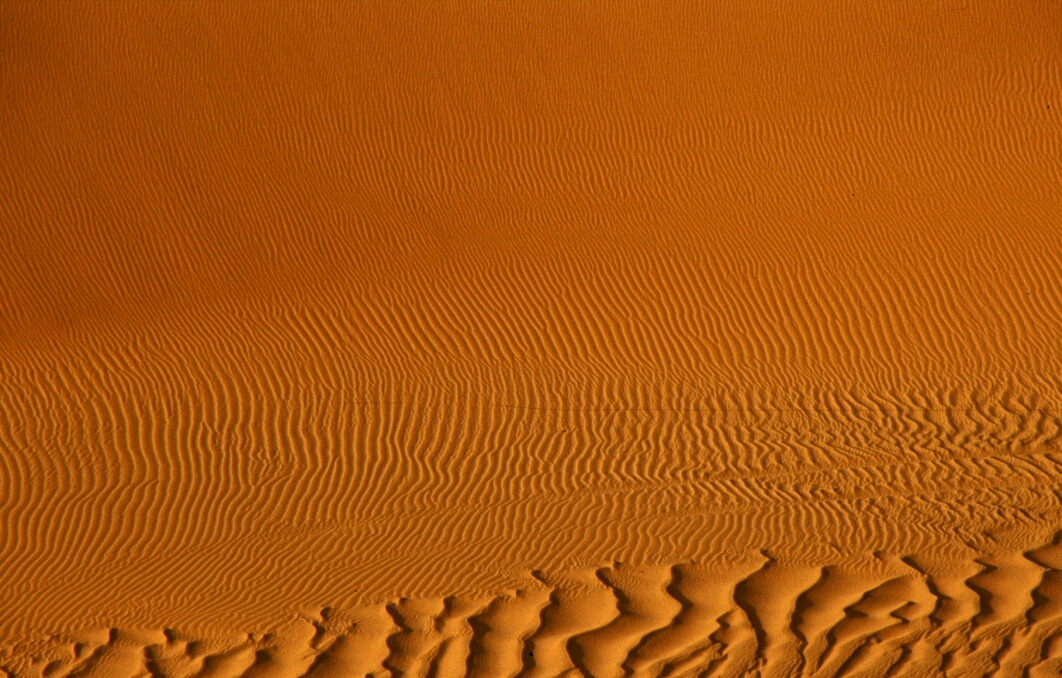
When in Ubari, take the time to explore the surrounding desert landscapes, including the stunning Sand Dunes of Ubari, where visitors can enjoy activities like sandboarding or simply marvel at the natural beauty.

In conclusion, Ubari is a hidden gem within Libya's vast desert, offering a rich tapestry of history, culture, and breathtaking landscapes. To ensure a personalized experience, consider using the Secret World app to plan your itinerary and uncover the many wonders of this enchanting oasis town.

Buy Unique Travel Experiences

Powered by Viator

See more on Viator.com