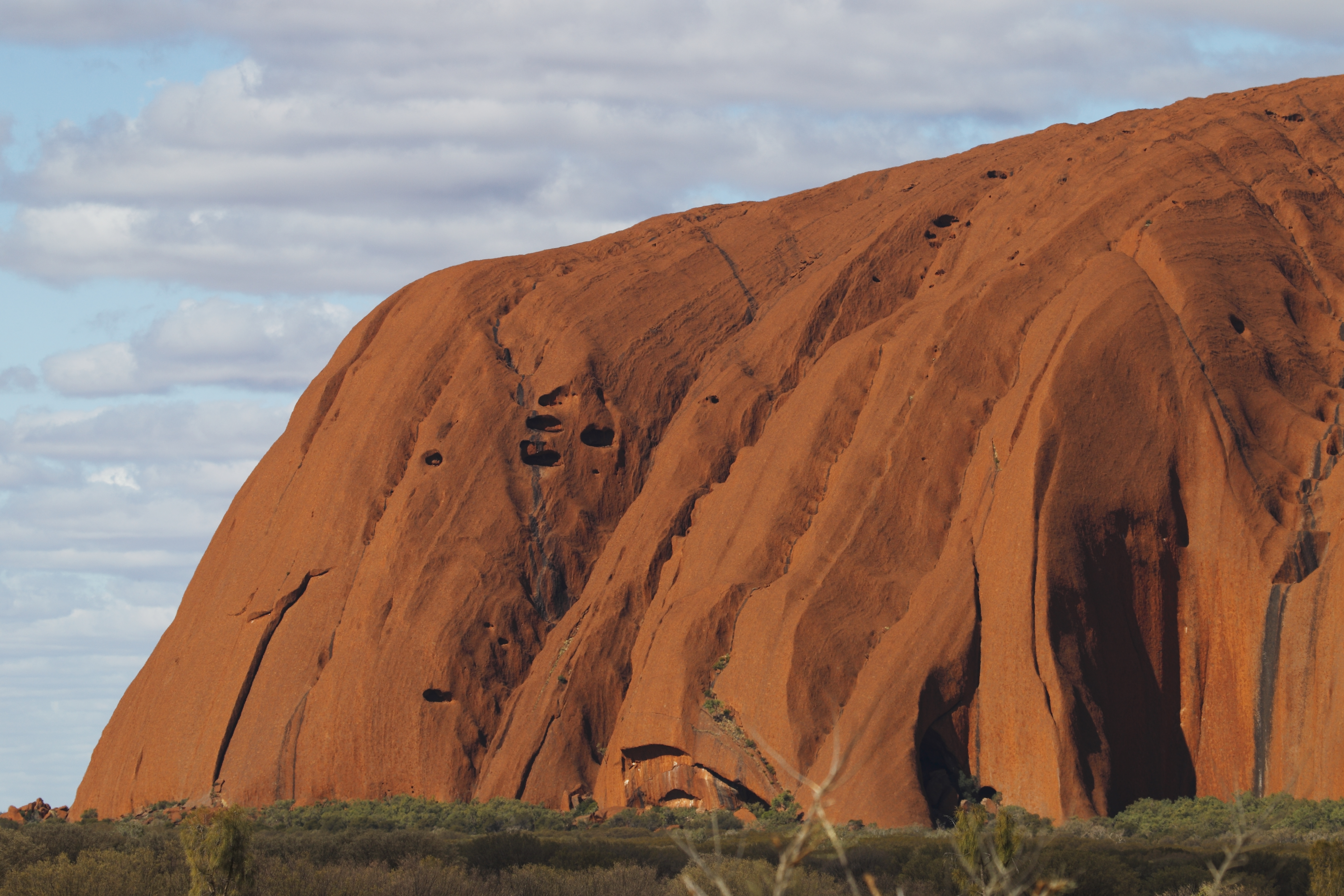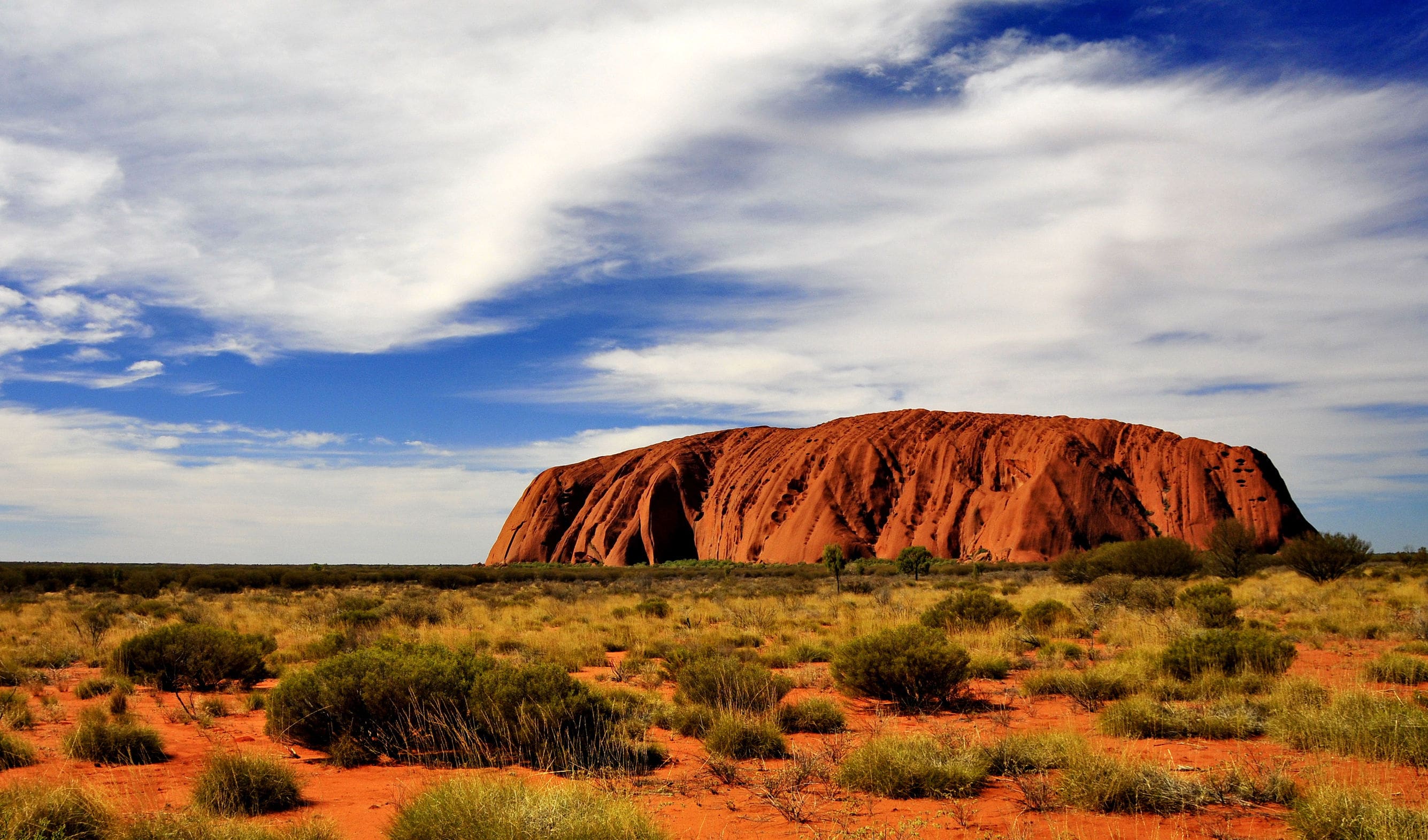

In the heart of the Australian outback, Uluru rises majestically from the earth, a natural marvel and cultural icon. With its strikingly vivid hues and monumental presence, it draws visitors from across the globe, each seeking to connect with the rich tapestry of history and spirituality that blankets this sandstone monolith. But Uluru is more than just a breathtaking sight; it is a sacred site deeply interwoven with the stories and lives of the Anangu people, the traditional custodians of the land.
### History and Origins The formation of Uluru, also known historically as Ayers Rock, dates back approximately 550 million years, creating a geological spectacle that has witnessed the ebb and flow of countless ages. For the Anangu, Uluru is more than a natural wonder; it is a living cultural landscape. Their Dreamtime stories, which speak of creation and ancestral spirits, imbue the rock with profound spiritual significance. In 1873, explorer William Gosse named it Ayers Rock in honor of the then-Chief Secretary of South Australia, Sir Henry Ayers. Yet, in 1993, a dual-naming policy was introduced, reflecting the site's cultural heritage by reinstating its original name, Uluru.
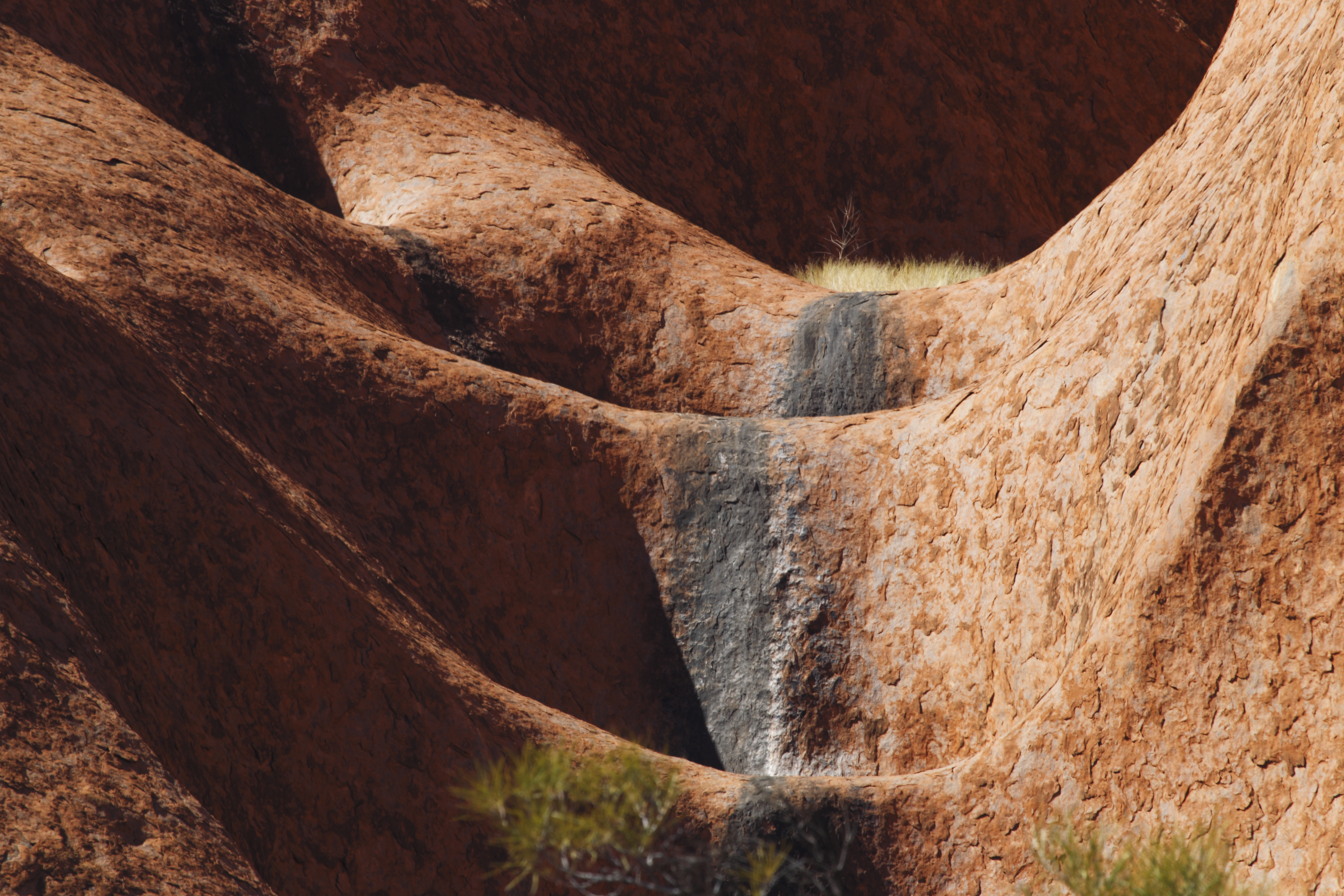
### Art and Architecture Uluru is not just a physical formation but a canvas of ancient rock art that adorns its caves and recesses. These paintings serve as historical records and spiritual guides, offering insights into the lives, beliefs, and rituals of the Anangu. The Mala and Kuniya Tjukurpa stories are among those depicted, each with its unique narrative and artistic style. The rock itself, with its undulating curves and crevices, is a natural masterpiece of architecture, seamlessly blending with the surrounding landscape to create a harmonious natural monument.
### Local Culture and Traditions The Anangu culture is rich with traditions that have been passed down through generations. Visitors can engage with these traditions through guided tours, learning about Tjukurpa — the law that governs the land, people, and living creatures. Festivals such as the Tjungu Festival celebrate Anangu culture with music, dance, and traditional crafts, offering a glimpse into the vibrant life that surrounds Uluru.
### Gastronomy Central Australia offers a unique culinary experience, where indigenous ingredients take center stage. Local dishes often feature bush tucker such as kangaroo, emu, and witchetty grubs. For those with adventurous palates, the flavors of native herbs and spices provide a sensory journey through the region’s gastronomy. Traditional Anangu cuisine emphasizes the use of local, sustainable ingredients, offering a taste of the land itself.
### Lesser-Known Curiosities Few visitors are aware that Uluru's surface is dotted with ancient waterholes, crucial to the survival of both people and wildlife in this arid landscape. At night, Uluru transforms into a stargazer’s paradise, with the clear outback sky offering unparalleled views of the Milky Way. Additionally, the Field of Light installation, an art piece by Bruce Munro, illuminates the desert with over 50,000 spindles of light, adding a contemporary touch to this ancient site.
### Practical Visitor Information The best time to visit Uluru is during the Australian winter months, from May to September, when the weather is cooler, making exploration more comfortable. Visitors should respect the cultural significance of the site by adhering to guidelines set by the Anangu, such as staying on designated paths and refraining from climbing the rock. For an unforgettable experience, plan to be there at sunrise or sunset when Uluru’s colors shift dramatically, offering a spectacular natural show.
For a personalized journey tailored to your interests, use the Secret World app to plan your visit to Uluru.