



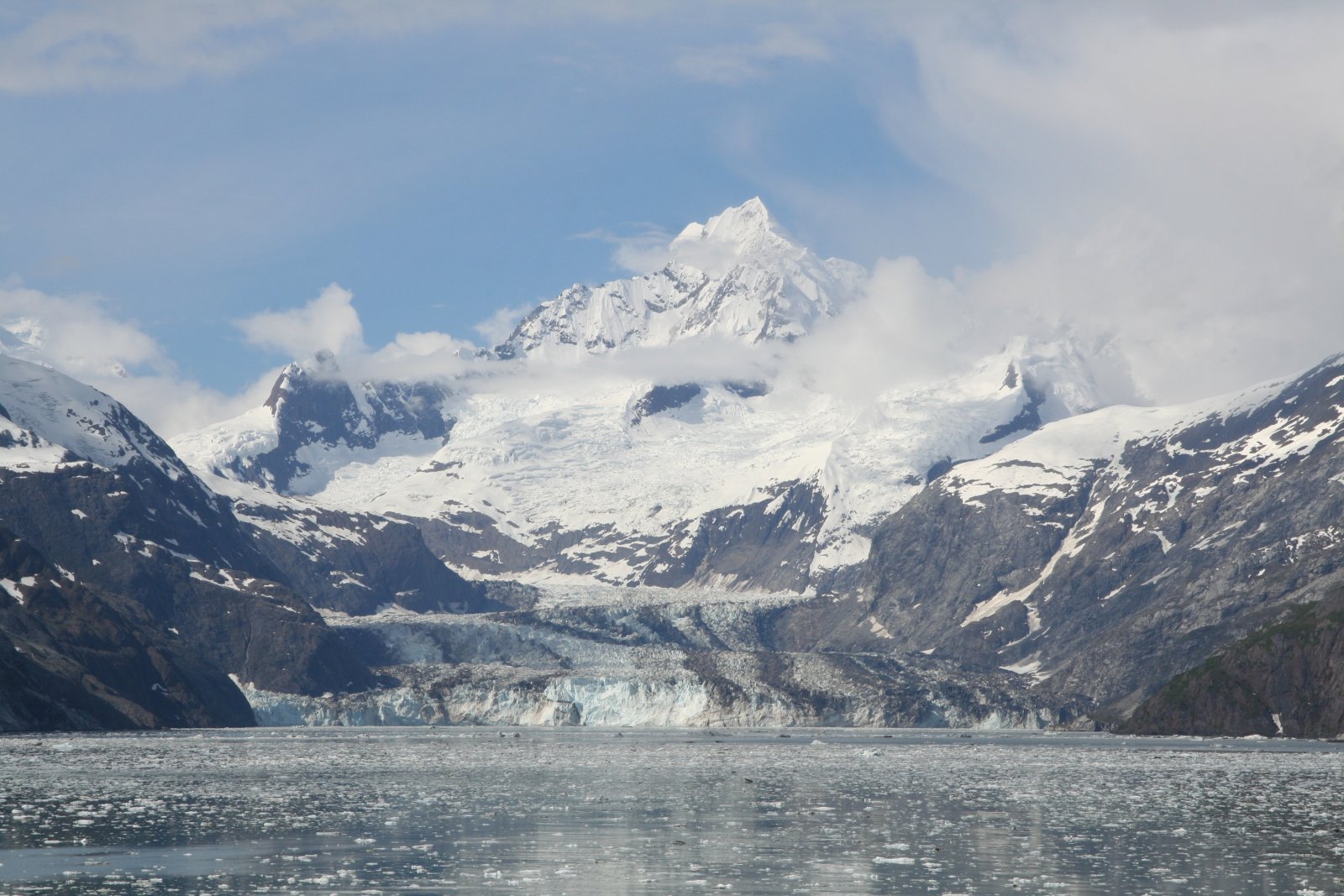
Glacier Bay, a stunning expanse located in the Southeast Alaska region, is a testament to the awe-inspiring beauty of the natural world. Recognized as both a UNESCO Biosphere and a World Heritage Site, this remarkable landscape features glaciers forged by the relentless forces of nature, surrounded by towering mountains and lush evergreen forests teeming with wildlife. The park's pristine marine habitat also supports a vibrant array of sea life. Whether you’re admiring the breathtaking views from a cruise ship, soaring above the glaciers in a helicopter, or paddling through tranquil waters in a sea kayak, Glacier Bay offers an unforgettable experience.

### History and Origins The history of Glacier Bay is as rich as its natural beauty. This area was once home to the Tlingit people, who relied on its abundant resources for centuries. The Tlingit, whose name means “people of the tides,” have deep cultural ties to the land, and their oral history recounts tales of the glaciers’ movements. The modern history of Glacier Bay began in the late 18th century when captain George Vancouver explored the region in 1794, mapping its stunning coastline.
In the late 19th century, the glaciers were heavily studied by John Muir, a naturalist and writer, who recognized their importance and began advocating for their protection. His efforts were pivotal in establishing Glacier Bay National Park and Preserve in 1980, ensuring the conservation of this unique ecosystem. The area has since been designated a UNESCO World Heritage Site in 1992, acknowledging its global significance.
### Art and Architecture While Glacier Bay is predominantly known for its natural splendor, the artistry of the Tlingit people provides a fascinating glimpse into the region's cultural heritage. Intricate totem poles, carved from cedar trees, tell stories of ancestral lineage and local legends. These artistic expressions reflect deep spiritual beliefs and a profound connection to the land.
The architectural style in the nearby communities, such as Hoonah and Gustavus, is largely influenced by the natural environment, utilizing local materials like wood and stone. Traditional Tlingit longhouses, although not commonly seen today, were built with a keen understanding of the landscape and the natural elements, showcasing the ingenuity of indigenous craftsmanship.
### Local Culture and Traditions The cultural tapestry of Glacier Bay is woven from the traditions and customs of the Tlingit people, who celebrate their heritage through various festivals and ceremonies. Events like the Celebration, held every two years in Juneau, showcase indigenous dance, music, and storytelling, drawing visitors from around the globe to witness the vibrancy of Tlingit culture.
Visitors may also encounter local customs such as the practice of potlatch, a ceremonial feast where wealth is redistributed among the community. This tradition underscores the importance of community and kinship among the Tlingit, illustrating their enduring connection to the land and each other.
### Gastronomy The culinary landscape surrounding Glacier Bay is deeply influenced by its natural bounty. Local specialties include salmon, halibut, and other seafood that are staples in the Tlingit diet. Salmon, in particular, plays a vital role in both the diet and culture, often prepared through traditional methods like smoking or grilling.
In addition to fish, foraged ingredients such as wild berries, seaweed, and edible plants are celebrated in local cuisine. Visitors can enjoy fresh dishes at local eateries that highlight these ingredients, promoting a farm-to-table philosophy that emphasizes sustainability and respect for the environment.
### Lesser-known Curiosities While Glacier Bay is celebrated for its breathtaking vistas and wildlife, some lesser-known facts may surprise visitors. Did you know that the glaciers in this area are constantly shifting? Some, like the Margerie Glacier, are advancing, while others, such as the Lamplugh Glacier, are retreating. This dynamic landscape offers a live demonstration of climate change’s impact, making it a significant site for scientific research.
Another intriguing detail is that Glacier Bay was once a thriving forest, and as glaciers advanced, they carved out deep fjords, creating the spectacular scenery we see today. The park's geology is a living history book, revealing thousands of years of ecological change and adaptation.
### Practical Visitor Information The best time to visit Glacier Bay is during the summer months, from late May to early September, when temperatures are milder, and wildlife is more active. Planning a visit through a cruise line can provide an excellent vantage point to view the glaciers and marine life.
For a more intimate experience, consider kayaking, which allows for a closer look at the stunning environment and the opportunity to spot marine mammals like humpback whales and sea otters. Be sure to dress in layers, as weather conditions can change rapidly.
### Conclusion Exploring Glacier Bay offers a unique opportunity to connect with nature and the rich cultural heritage of the Tlingit people. To truly customize your experience, consider using the Secret World app to plan a personalized AI itinerary for your visit.
