
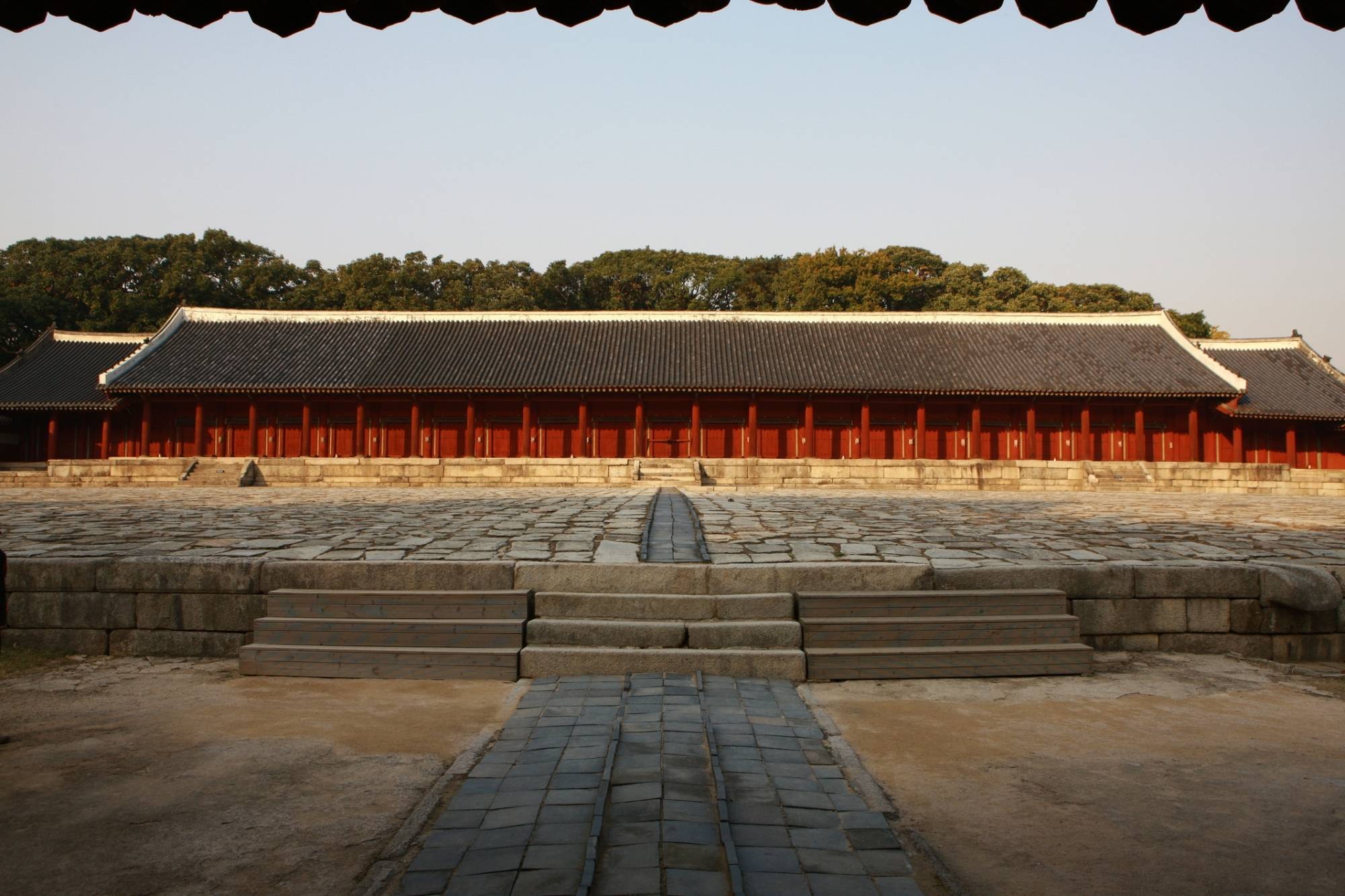

Jongmyo Shrine, nestled in the bustling heart of Seoul, offers a serene escape into the rich cultural tapestry of Korea. This UNESCO World Heritage site, dedicated to the deceased kings and queens of the *Joseon Dynasty*, is not merely a physical structure but a profound symbol of Korean cultural heritage and Confucian philosophical traditions.
Originally constructed in 1394 by King Taejo, the founder of the Joseon Dynasty, Jongmyo Shrine is regarded as one of the oldest and most authentic Confucian royal shrines. The site has witnessed numerous historical events, including destruction during the Japanese invasions in the late 16th century and subsequent reconstruction. Despite these trials, the shrine retains its original layout and design, a testament to Korea's dedication to preserving its historical roots.
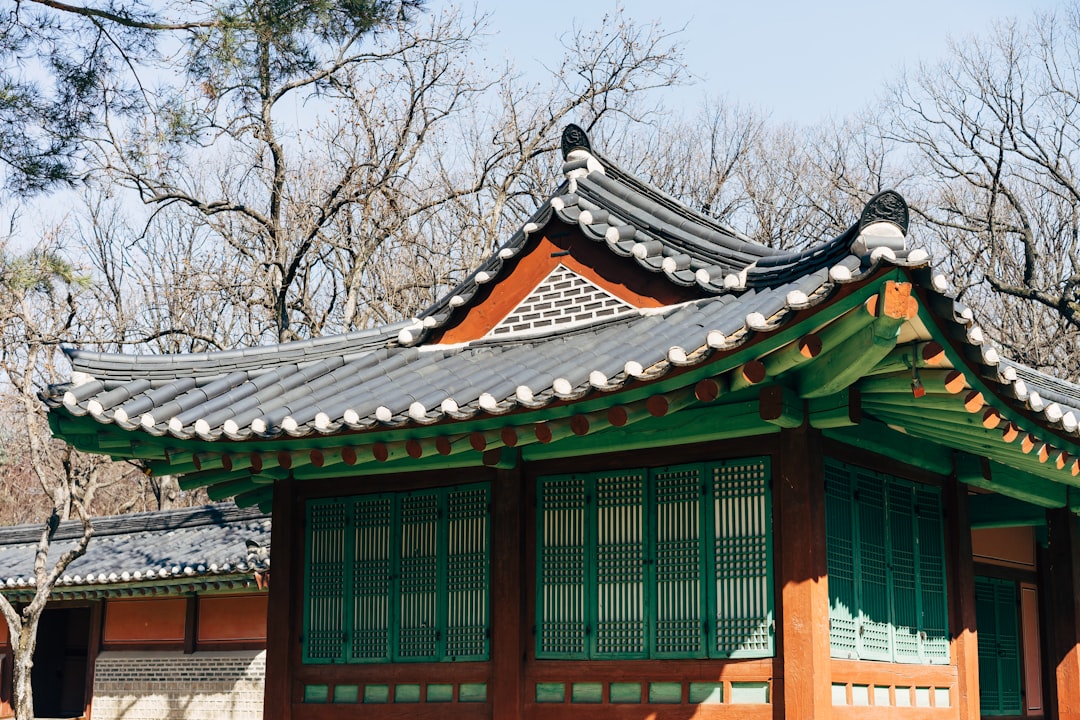
Architecturally, Jongmyo Shrine is a masterpiece of simplicity and solemnity. The main hall, Jeongjeon, is a sprawling structure that impresses with its understated elegance. The Dancheong (traditional Korean decorative coloring on wooden buildings) is subdued, reflecting the Confucian ideals of moderation and restraint. The long, open corridors and expansive courtyards evoke a sense of tranquility and order. Notable are the spirit tablets housed within Jeongjeon, each inscribed with the names of the revered monarchs and their contributions, making it a sacred space of historical reverence.
The cultural significance of Jongmyo goes beyond its architectural beauty. Every year, the Jongmyo Jerye, a memorial rite, is conducted to honor the spirits of the Joseon kings and queens. This ceremony, accompanied by the melodic strains of Jongmyo Jeryeak—traditional court music—is a UNESCO-designated intangible cultural heritage. The ritual is a vivid portrayal of Confucian values, emphasizing respect for ancestors and the continuity of royal lineage, drawing both locals and tourists eager to witness this living tradition.
While Jongmyo Shrine itself is not directly associated with specific culinary traditions, the nearby Insadong district offers a taste of traditional Korean gastronomy. Visitors can indulge in Tteok (rice cakes), Makgeolli (a traditional rice wine), and Jeon (savory pancakes), each dish offering a flavor of Korea's rich culinary heritage. These foods, often enjoyed during cultural festivals and ceremonies, provide a sensory extension of the Jongmyo experience.
For those keen on uncovering lesser-known aspects, Jongmyo Shrine offers intriguing details that elude the casual observer. One such curiosity is the Eosil, a stone area where the spirits are believed to alight before entering the shrine. Moreover, the pathways are slightly elevated to prevent ground-level spirits from entering the sacred halls, a subtle yet profound reflection of the spiritual beliefs woven into the shrine's construction.
Practical information for potential visitors: The best time to visit Jongmyo Shrine is during the spring or autumn months when the weather is mild, and the surrounding foliage adds a burst of color to the serene landscape. Guided tours are available, offering insights into the site's historical and cultural context. It's advisable to check the schedule for the Jongmyo Jerye ceremony and plan to witness this unique cultural event. Visitors should wear comfortable shoes as the site involves considerable walking.
Jongmyo Shrine stands as a testament to Korea's rich historical and cultural legacy. Its serene halls invite reflection, its ceremonies celebrate continuity, and its existence underscores the enduring respect for tradition in the heart of modern Seoul. Whether drawn by history, architecture, or cultural ceremony, visitors will find Jongmyo a profound and enlightening experience.


