



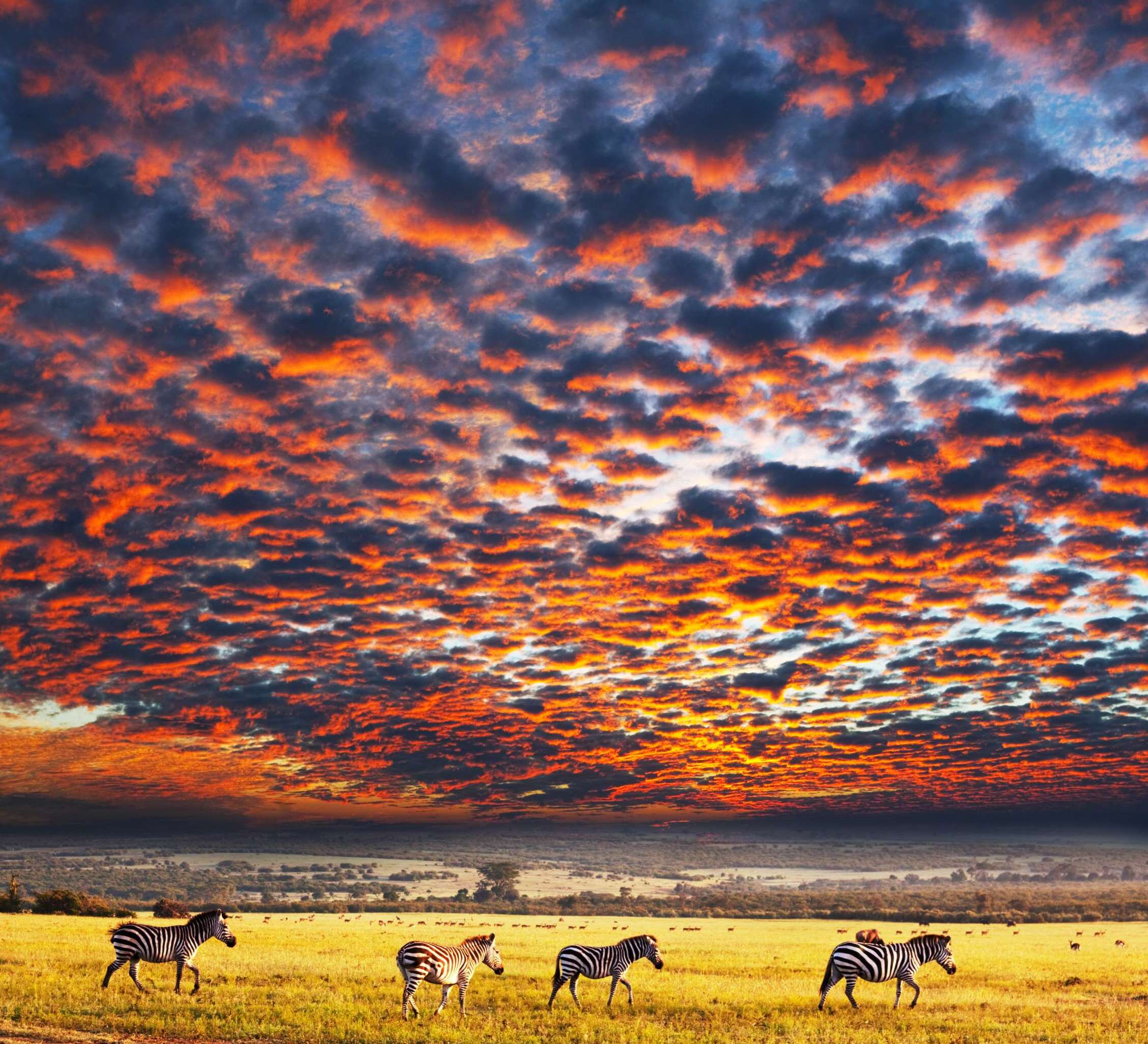
The Serengeti National Park, a UNESCO World Heritage site in Tanzania, is a breathtaking expanse of savannah teeming with wildlife, rich history, and vibrant culture. Covering an impressive 5,700 square miles, it is part of the Serengeti ecosystem that stretches into Kenya, making it a crucial habitat for some of Africa's most iconic species.
### History and Origins The history of the Serengeti is as vast as the plains themselves. Long before it became a national park, the area was inhabited by the Maasai, a semi-nomadic people known for their rich cultural traditions and strong connection to the land. In 1921, the first conservation measures were introduced, but it wasn't until 1951 that the Serengeti National Park was officially established. This was a pivotal moment, as the park was created to protect the vast herds of wildlife that migrate across the plains.
Over the decades, the park has played a crucial role in wildlife conservation and research. It gained international recognition when it was added to the UNESCO World Heritage List in 1981, underscoring its importance for biodiversity and environmental sustainability.
### Art and Architecture While the Serengeti is not known for man-made architecture, its cultural significance is reflected in the art and traditions of the Maasai people. Their intricate beadwork, vibrant shuka (traditional clothing), and ceremonial attire are a testament to their artistic expression. The use of natural materials and bright colors symbolizes their deep connection to nature, which is mirrored in the landscapes of the national park.
Visitors can often find local artisans selling their crafts, providing a unique opportunity to appreciate the artistry that thrives in this region.
### Local Culture and Traditions The Maasai culture is intrinsic to the identity of the Serengeti. Known for their distinctive customs, the Maasai celebrate numerous festivals throughout the year, including the Enkipaata, a rite of passage for young warriors, and the Eunoto, a ceremony marking the transition of young men to elder status. These events are marked by traditional music, dance, and storytelling, offering visitors a glimpse into the rich tapestry of local life.
The Maasai's pastoral lifestyle and their harmonious coexistence with wildlife exemplify the cultural importance of the Serengeti. Many Maasai communities engage in eco-tourism, allowing travelers to experience their culture while contributing to conservation efforts.
### Gastronomy While the Serengeti is primarily known for its wildlife, the local cuisine offers flavors that reflect the cultural influences of the region. Traditional dishes often include ugali, a staple made from maize flour, served with sukuma wiki (collard greens) and various meats such as goat or chicken. The Maasai are known for their unique way of preparing food, including grilling meats over open fires, a practice that adds a distinct smoky flavor.
For those looking to indulge in local beverages, try ajon, a traditional alcoholic drink made from fermented millet, or fresh fruit juices sourced from local markets.
### Lesser-Known Curiosities The Serengeti holds many secrets for those willing to explore beyond the typical tourist paths. One fascinating aspect is the Great Migration, which sees over 1.5 million wildebeest, accompanied by thousands of zebras and gazelles, traverse the plains in search of greener pastures. This natural spectacle is not just a feast for the eyes; it plays a crucial role in the ecosystem, ensuring the survival of various species.
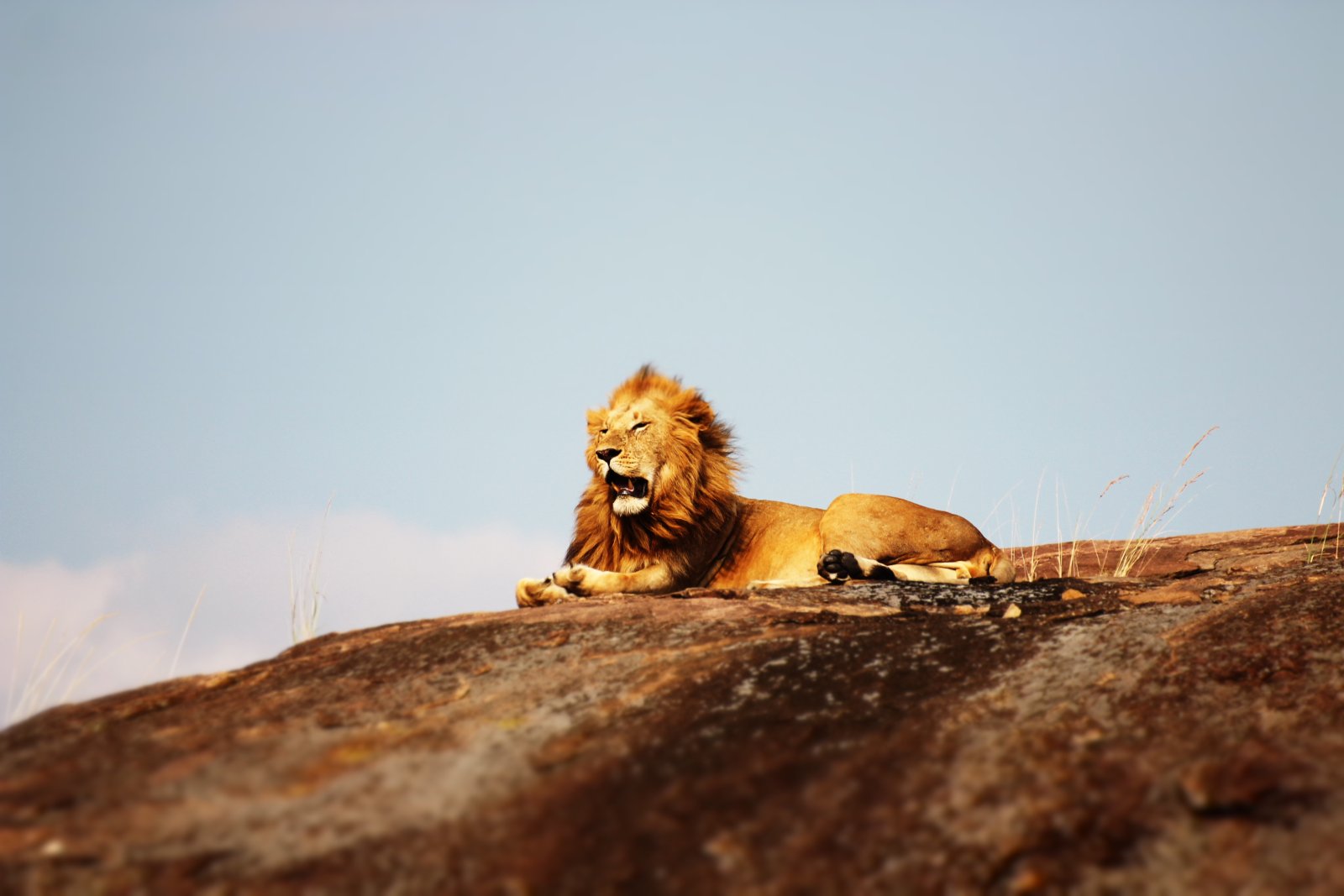
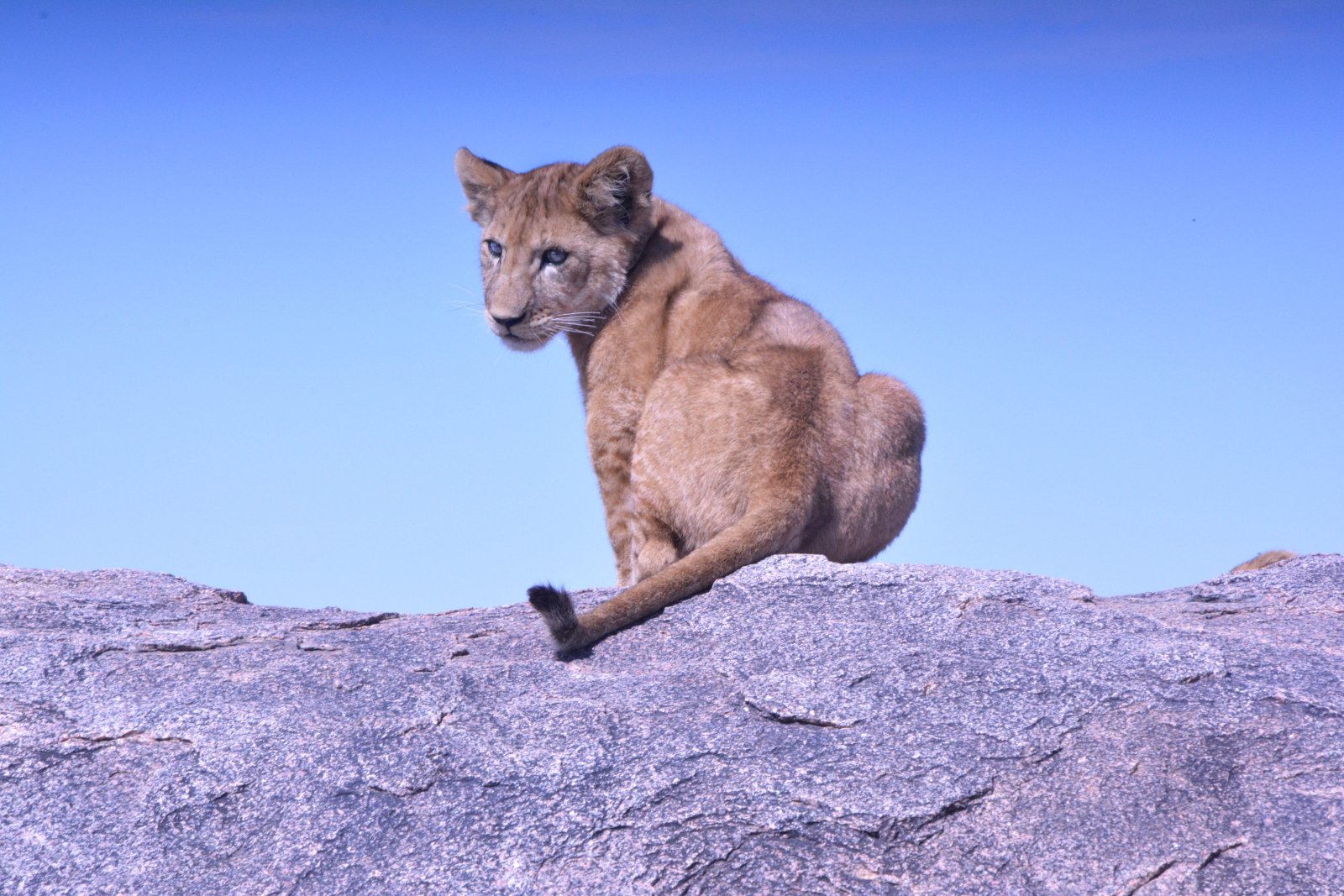
Another hidden gem is the Serengeti's Kopjes—rocky outcrops that serve as vantage points for predators like lions. These geological formations are often overlooked but are essential to the park's biodiversity. The unique flora and fauna found in these areas are worth exploring for any keen-eyed visitor.
### Practical Visitor Information The best time to visit the Serengeti is during the dry season from June to October, when wildlife is easier to spot as animals congregate around water sources. Early morning and late afternoon are ideal for game drives, as animals are most active during these times.
For those looking to immerse themselves in the experience, consider staying at one of the park's lodges or camps. Opt for guided tours to learn from local experts about the ecosystem and its inhabitants, ensuring a deeper understanding of this incredible landscape.
As you plan your visit, remember to respect the wildlife and follow park regulations. The Serengeti is not just a place to observe nature; it is a sanctuary that requires our stewardship to preserve its beauty for future generations.
With its breathtaking scenery, rich wildlife, and vibrant local culture, the Serengeti National Park is a destination that captivates the soul. To make the most of your experience, consider using the Secret World app to craft a personalized itinerary that aligns with your interests and desires.
