



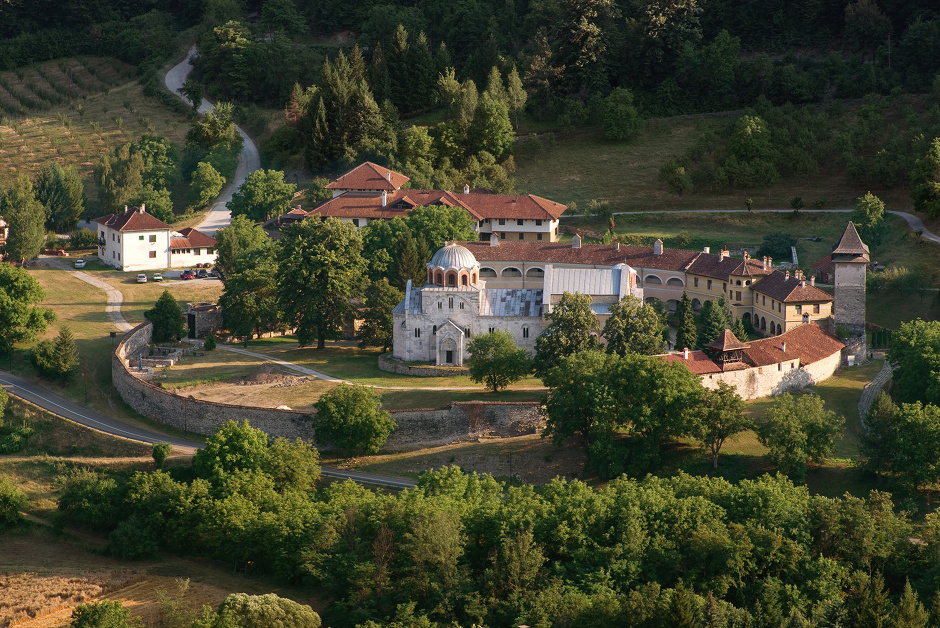
Nestled in the serene hills of Brezova, Serbia, the Studenica Monastery stands as a testament to the rich tapestry of Serbian Orthodox history and culture. Built in 1196 by Grand Prince Stefan Nemanja, who later became Saint Simeon, this magnificent monastery is not just an architectural marvel but a spiritual cornerstone in the heart of the nation.
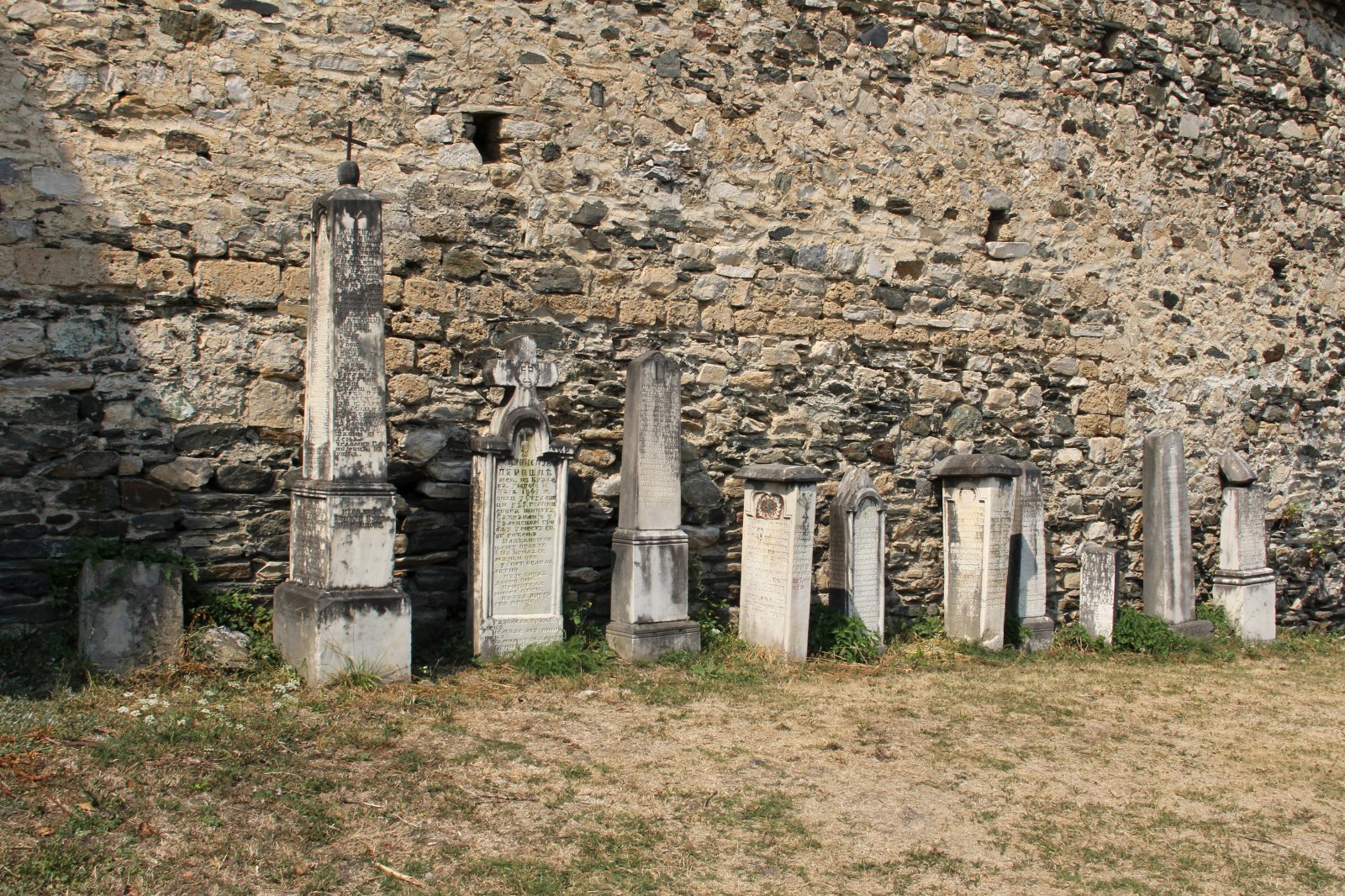
The history of Studenica is deeply intertwined with the legacy of its founder, Stefan Nemanja, who played a pivotal role in uniting medieval Serbia. The monastery was established as a spiritual center, symbolizing the nascent Serbian state’s burgeoning identity. Following his abdication, Nemanja took monastic vows and was buried within its walls, his tomb located in the church dedicated to the Holy Virgin Mary. The monastery witnessed significant events, including the canonization of both Nemanja and his son, Saint Sava, who became the first Archbishop of the Serbian Orthodox Church and was instrumental in establishing its independence.
Architecturally, the Studenica Monastery is a stunning example of Raška architectural style, characterized by its intricate stone carvings and harmonious proportions. The main church, with its majestic dome and ornate frescoes, showcases the artistic prowess of the era. The frescoes, painted in the 13th century, are notable for their vivid colors and detailed expressions, depicting biblical scenes and saints, including the Annunciation and the Last Judgment. These artworks have been deemed not just religious but cultural treasures, contributing to the understanding of medieval Serbian art and spirituality.
Local culture and traditions are deeply rooted in the monastery’s history. The surrounding area celebrates various customs and festivals, with the Feast of the Assumption of the Virgin Mary being the most significant. Locals gather to honor the monastery’s patron saint, partaking in prayers, traditional music, and dances that reflect the vibrant Serbian folklore. The monastery is often a pilgrimage site, drawing faithful visitors who seek spiritual solace and a connection to their heritage.
When visiting Studenica, one cannot overlook the local gastronomy. The region is known for its hearty Serbian dishes, often enjoyed by visitors after a day of exploration. Typical foods include sarma (cabbage rolls filled with minced meat and rice), ćevapi (grilled minced meat), and pita (a flaky pastry filled with cheese or pumpkin). Accompanying these dishes are local wines and the famous Serbian rakija, a strong fruit brandy that warms the spirit and complements the communal atmosphere of dining.
For the intrepid traveler, there are lesser-known curiosities that add depth to the experience. Just 6 kilometers from the monastery lies a secluded hermitage carved into a cliff, known as Kovilje Monastery. This hidden gem is accessible only by a narrow bridge, demanding a bit of adventure from visitors. The views from this vantage point are breathtaking, offering a panoramic glimpse of the rolling hills and tranquil valleys that surround the monastery. Moreover, the monastery is home to a small community of monks who maintain a simple yet profound way of life, dedicated to prayer and contemplation.
When planning a visit, the best time to explore the Studenica Monastery is during the spring and early fall months. The weather is mild, and the surrounding nature is in full bloom or vibrant with autumn colors. It’s advisable to wear comfortable shoes for the hike to Kovilje and to be respectful of the monastic customs when entering the church—modest clothing is preferred, and silence is encouraged.
As visitors wander through the grounds, they should take note of the intricate carvings on the stone walls, each telling its own story, and the serene atmosphere that envelops the site. The experience is not just about witnessing history; it’s about feeling the profound spirituality that resonates within these ancient walls.
For those seeking a personalized journey through the enchanting landscapes and rich traditions of Brezova, consider using the Secret World app to craft the perfect itinerary.
