
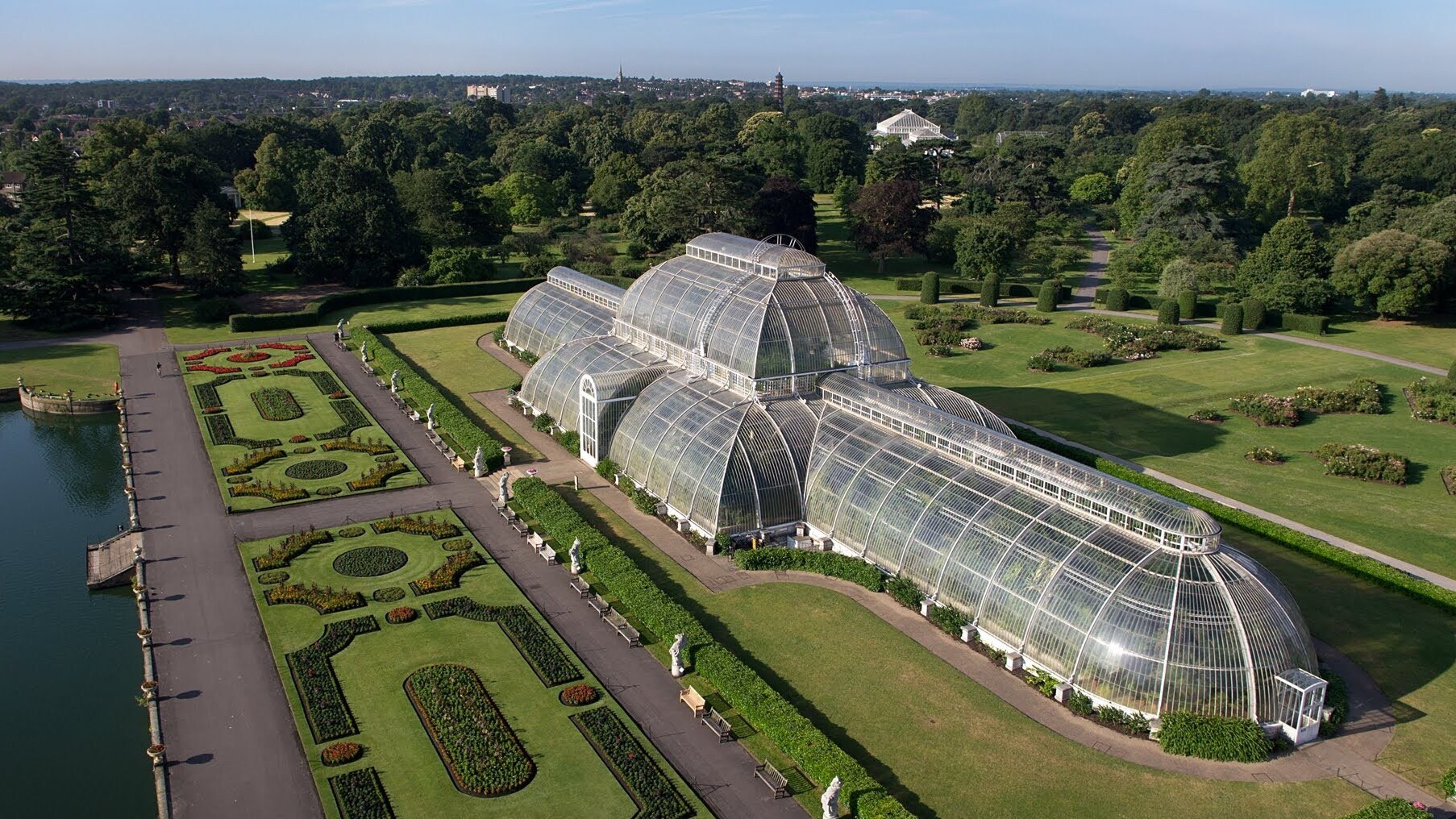

Evoking the sensation of a secret garden, the Royal Botanic Gardens of Kew has been enchanting guests for over a century and a half. Nestled in the heart of London, this UNESCO World Heritage site boasts more than 30,000 different types of plants, making it one of the most important botanical collections in the world. Its history dates back to 1759 when it was initially planted as a royal garden for King George III, who had a passion for botanical exploration. Over the years, Kew has evolved into a sanctuary for plant species from across the globe, with key historical events such as the establishment of the Kew Gardens in 1840 showcasing its significance in the evolution of botany and horticulture.
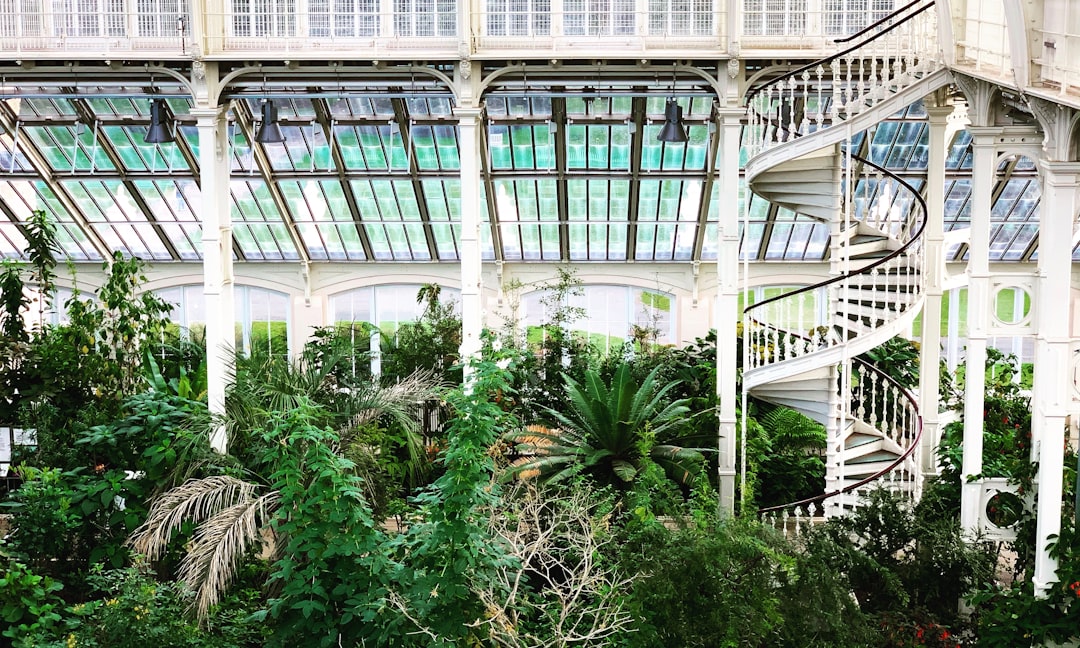
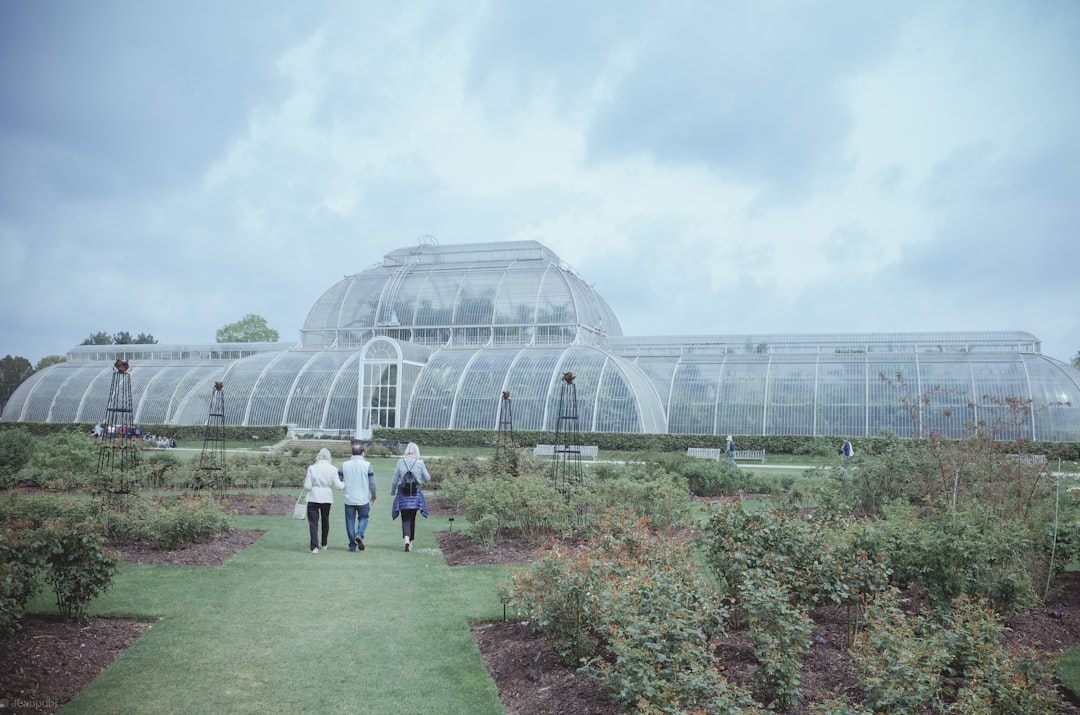
The gardens are a striking blend of art and architecture. The Nash Conservatory, built in 1836, stands as a testament to the Victorian era's fascination with glasshouses and exotic plants. This architectural marvel is beautifully contrasted by the modern Treetop Walkway, inaugurated in 2008, which allows visitors to stroll through the canopy of trees and gain a unique perspective of the gardens. The Palm House, another architectural gem completed in 1848, showcases a Victorian style that complements Kew's mission of conservation and education.
Beyond its plant life and stunning structures, Kew Gardens plays a vital role in the local culture and traditions. The gardens host seasonal events such as Kew’s Winter Garden and the annual Kew Orchid Festival, which celebrates the rich biodiversity of orchids while drawing thousands of visitors. These festivals not only highlight the beauty of the flora but also engage the community in conservation efforts and education about plant preservation.
When it comes to gastronomy, the area surrounding Kew is rich in typical local foods and drinks. Visitors can indulge in classic British fare at the Kew Green Café, which offers a delightful selection of seasonal dishes made from locally sourced ingredients. Must-try items include the traditional Afternoon Tea, featuring finger sandwiches, scones, and an array of pastries, all accompanied by a selection of fine teas. For those looking to explore further, nearby pubs serve hearty dishes like fish and chips and shepherd’s pie, paired with a pint of local ale.
Among the many wonders of Kew, there are lesser-known curiosities that often elude the average visitor. For instance, the Great Pagoda, built in 1762, was originally adorned with 80 dragons that have been restored and are now a captivating attraction. Additionally, Kew Gardens houses the Herbarium, one of the largest in the world, with over 7 million preserved plant specimens, providing invaluable insight into botanical history and climate change. Visitors can also uncover the story of Kew’s Living Collection, which includes endangered species and plants critical for sustainable development.
For those planning a visit, the best times to experience the magic of Kew Gardens are during spring and early summer when flowers are in full bloom. To avoid the crowds, consider visiting on weekdays or during off-peak hours. Be sure to take your time exploring the various themed gardens, such as the Rock Garden and Japanese Garden, each offering a unique atmosphere and a chance to connect with nature. Don’t forget to check out the Kew Palace, the former home of King George II, which adds a historical dimension to your visit.
The Royal Botanic Gardens of Kew is more than just a destination; it is a living museum that intertwines history, art, culture, and gastronomy. So immerse yourself in its beauty and let the wonders of nature inspire you. To make the most of your experience, consider using the Secret World app to craft a personalized itinerary for your visit.


