
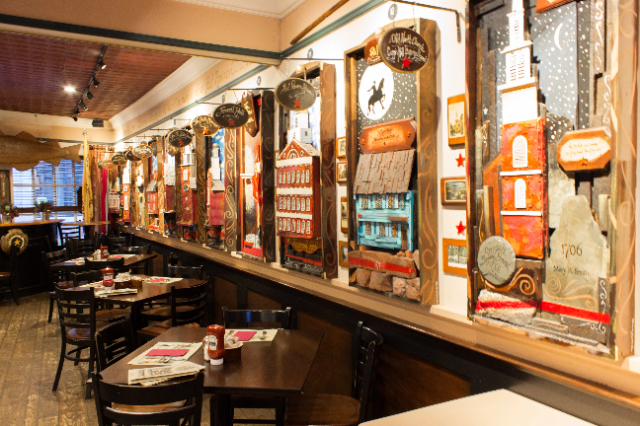

Nestled in the heart of Boston, the Union Oyster House stands as a living testament to America's culinary and cultural history. Since its doors first opened in 1826, this venerable establishment has continuously served locals and visitors alike, making it the oldest restaurant in continuous operation in the United States. Here, a rich tapestry of stories unfolds, capturing the essence of New England's maritime heritage and the vibrant evolution of American dining.
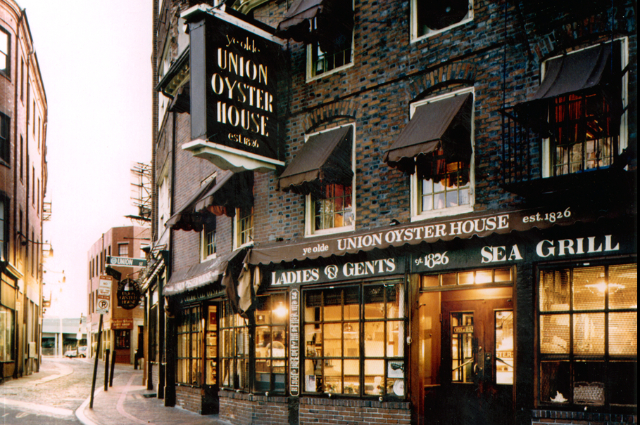
The origins of the Union Oyster House trace back to a time when Boston was burgeoning as a hub of commerce and culture. Originally, the building housed a dress goods business run by Capen and Haynes. Before the restaurant's inception, the structure was frequented by a young and ambitious Louis Philippe, the future king of France, who lived in exile on its second floor in the late 18th century. This connection imbues the restaurant with a unique international flair, as Philippe reportedly taught French lessons here while contemplating the politics of his homeland.
Architecturally, the Union Oyster House is a relic of early American design. Its Georgian façade, characterized by brick walls and wooden beams, exudes an old-world charm that has been meticulously preserved. Inside, the dark wood paneling and low ceilings transport diners back to a bygone era. Notably, the restaurant features the famed "Freedom Trail," a painted line running through Boston’s historical sites, which passes directly by its entrance, symbolically tying it to the city's storied past.
The cultural significance of the Union Oyster House extends beyond its walls. It is a cornerstone of Boston's culinary tradition, serving as a gathering place where history and community converge. The restaurant's commitment to seafood is unwavering, with patrons flocking to savor its renowned clam chowder and freshly shucked oysters. These dishes are emblematic of New England's coastal bounty and a testament to the region’s enduring seafaring legacy.
Beyond its menu, the Union Oyster House is steeped in tradition and lore. It was here that the toothpick was reportedly first used in the United States, introduced by Charles Forster, who imported them from South America. Additionally, the restaurant boasts a unique claim to fame as a favorite haunt of Daniel Webster, a 19th-century statesman and orator known for his prodigious oyster appetite. Webster’s penchant for consuming dozens of oysters in one sitting is a story that continues to fascinate visitors and historians alike.
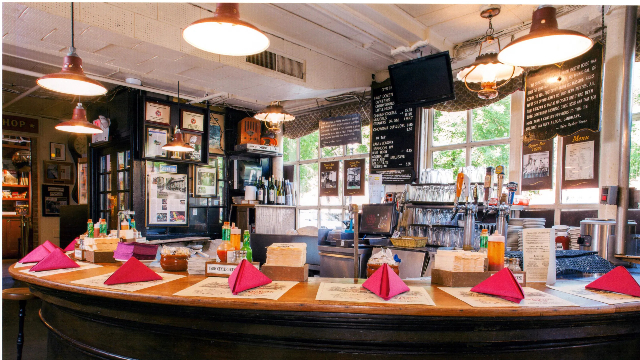
For those visiting Boston, the Union Oyster House offers more than just a meal; it provides an immersive historical experience. The best time to visit is during the spring or fall when the city is alive with vibrant foliage or blooming flowers, and the weather is mild. To make the most of your visit, consider reserving a seat at the semi-circular oyster bar, where the expert shuckers display their craft, and the atmosphere is abuzz with convivial chatter.
As you explore, keep an eye out for the "Kennedy Booth," the preferred dining spot of John F. Kennedy during his pre-presidential years. This booth is a pilgrimage site for many political enthusiasts, offering a glimpse into the personal life of one of America's most iconic figures.
In conclusion, the Union Oyster House is not merely a restaurant; it is a living museum of American history and gastronomy. Its walls echo with the footsteps of revolutionaries, statesmen, and everyday citizens who have shaped the fabric of Boston. Whether you're a history buff, a food enthusiast, or simply curious about the past, a visit to the Union Oyster House promises a journey through time, flavored with the rich tastes of New England's culinary legacy.


