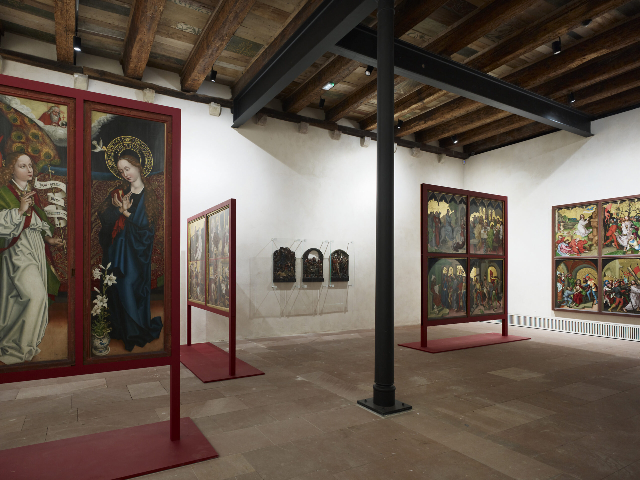
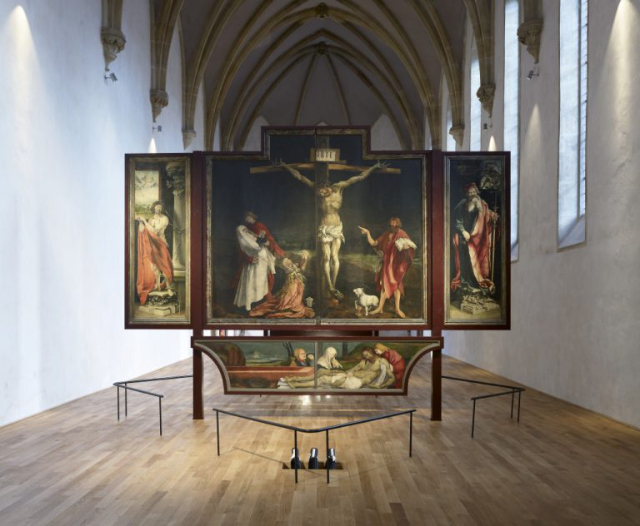
Housed in a 13th-century Dominican convent, the Unterlinden Museum is not only Colmar’s most important cultural institution but also one of France’s most celebrated regional museums. It is internationally renowned for its masterpiece: the Isenheim Altarpiece, a breathtaking polyptych created by Matthias Grünewald and Niclaus of Haguenau around 1512–1516. This artwork alone attracts thousands of visitors every year and is considered one of the most powerful expressions of late Gothic religious art.

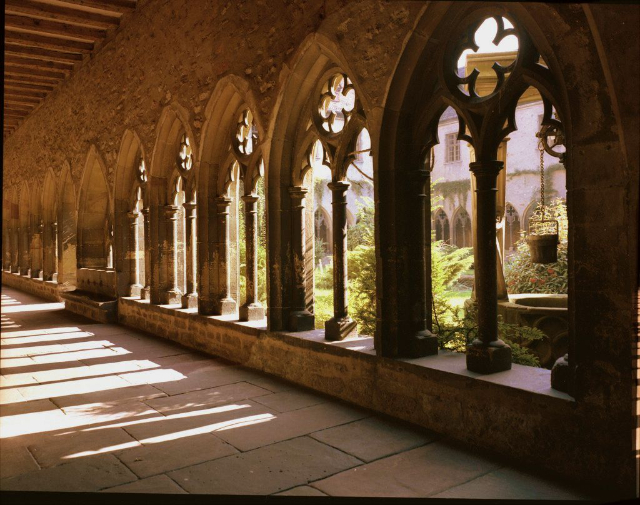
But the museum offers far more than this single treasure. Its collection spans archaeology, medieval sculpture, Renaissance painting, Baroque altarpieces, and modern art, including works by Picasso, Dubuffet, and Monet. The convent's ancient cloister and chapel have been masterfully integrated into a modern extension by Herzog & de Meuron, creating a dialogue between past and present, stone and light.
A lesser-known curiosity? The museum is also built over the remains of ancient Roman baths. These archaeological finds are integrated into the exhibit path, reminding visitors of Colmar’s deep historical roots. You can even see the remnants beneath a glass floor section.
The museum's name, “Unterlinden,” means “under the linden trees,” a poetic reference to its garden courtyard—a peaceful space for reflection after exploring centuries of human creativity.
Whether you’re an art lover, a history enthusiast, or a curious traveler, a visit to Unterlinden is essential for understanding the cultural richness of Alsace and the soul of Colmar itself.