



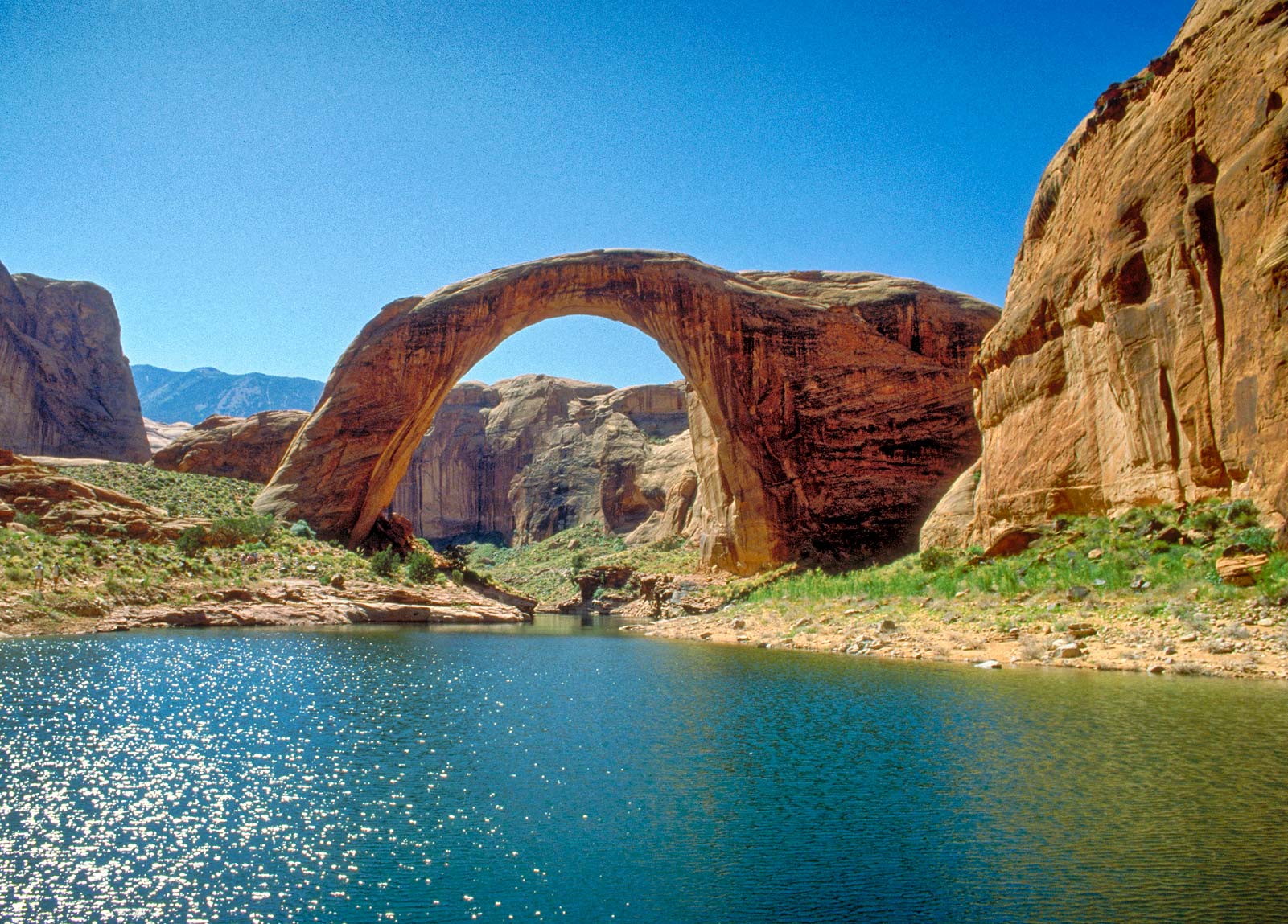
The Rainbow Bridge National Monument in Utah is not merely a geological feature; it is a symphony of nature's artistry and a sacred site steeped in rich cultural history. Standing at an impressive 290 feet, this monumental arch is often celebrated as the world’s tallest natural bridge, a breathtaking testament to the forces of erosion that have sculpted the Colorado Plateau over the course of approximately 200 million years. Nestled near the shimmering waters of Lake Powell, the bridge holds profound significance for Indigenous peoples, particularly the Navajo Nation, who regard it as a place of reverence and spirituality.
History and Origins
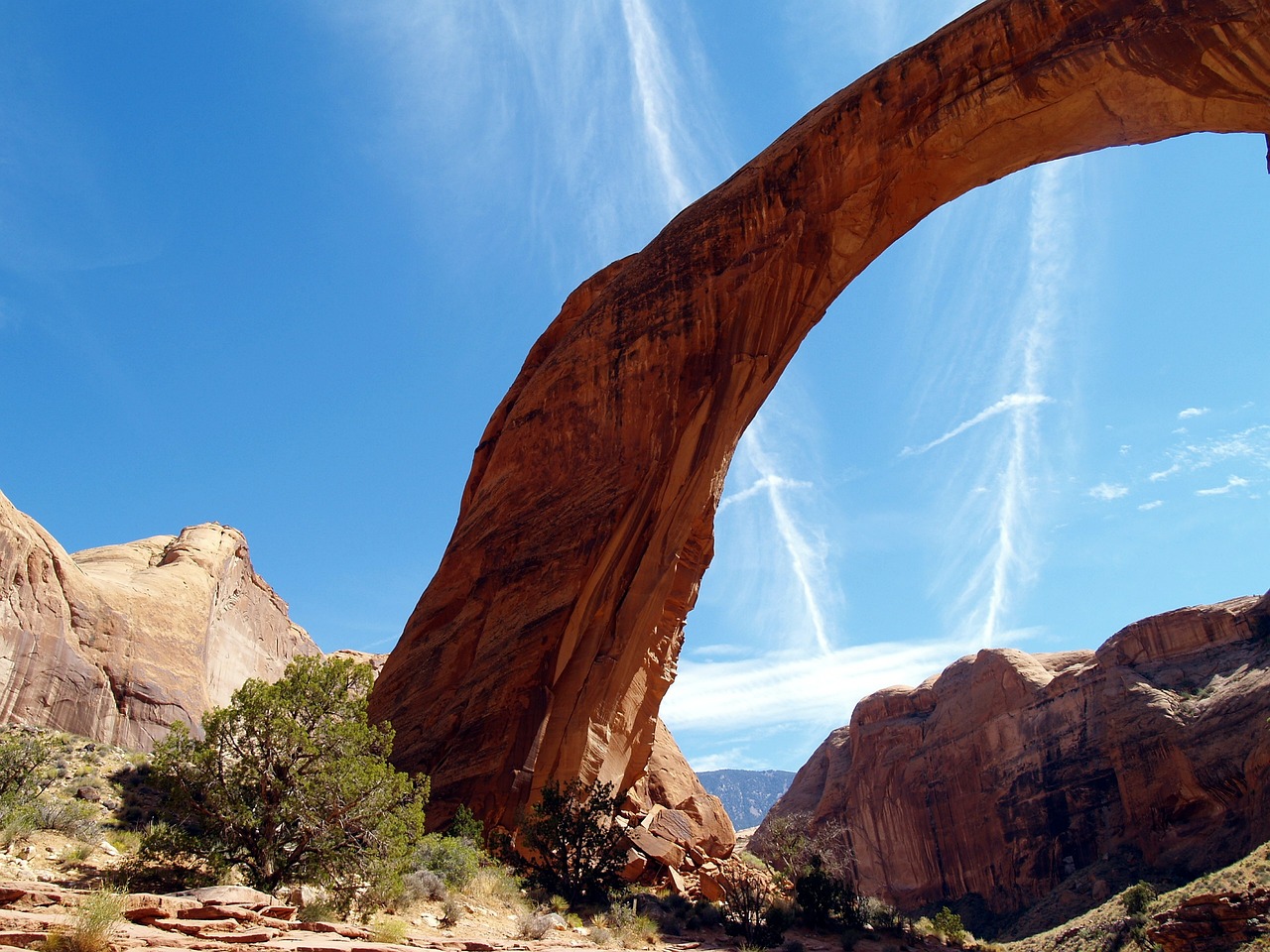
The story of Rainbow Bridge begins long before it was named. The geological processes that created this stunning structure are rooted in the ancient history of the Earth. Over millions of years, the relentless forces of wind, water, and time eroded the sandstone, gradually revealing the majestic arch we see today. The site was first documented by non-Indigenous explorers in 1909 when a party led by John Wesley Powell visited the area. However, the bridge had long been known to the Ancestral Puebloans and later the Navajo, who have inhabited this region for centuries.
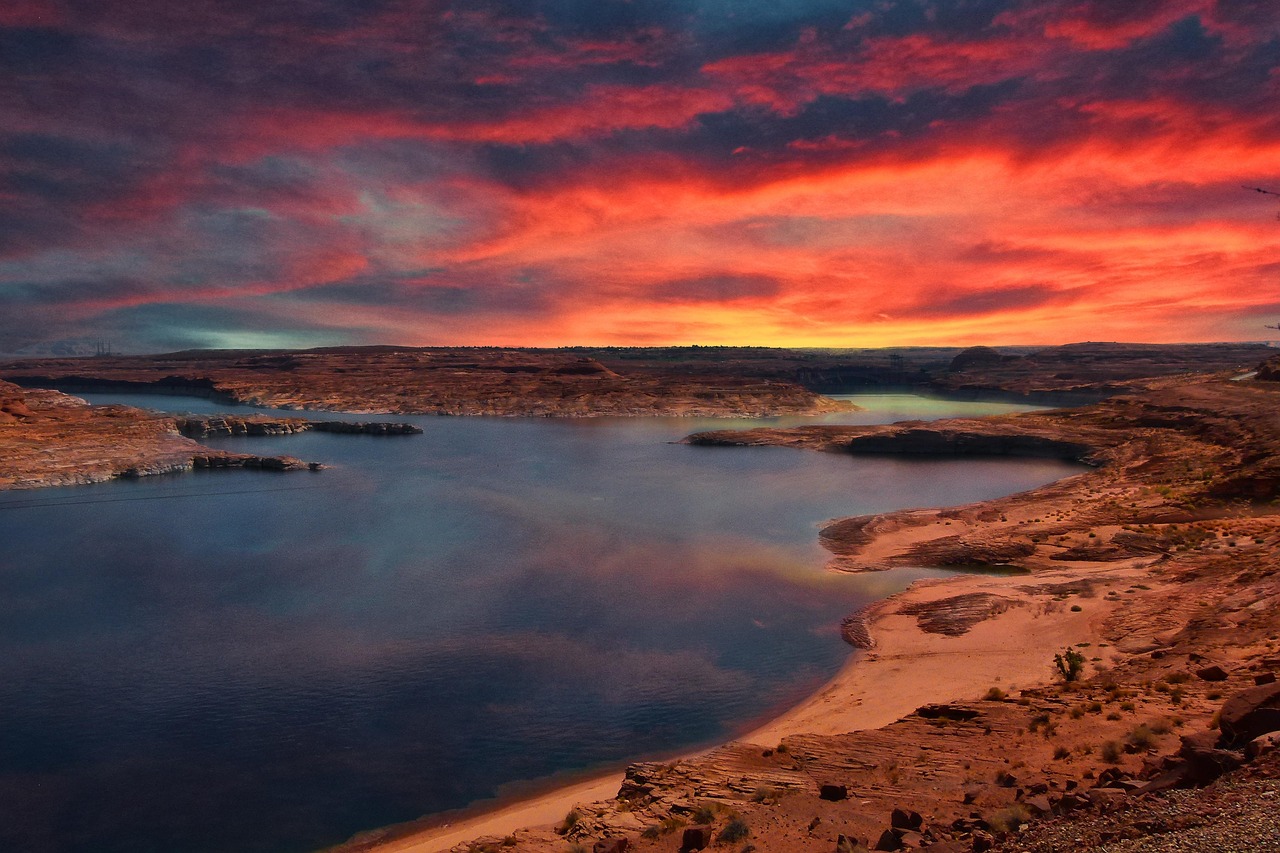
The Navajo called the bridge "Naatsis'áan," meaning "the place where the rainbow touches the earth." This connection to the sacred is not merely symbolic; the bridge is often associated with Navajo creation stories, where it represents a pathway between the earth and the divine. In 1910, President William Howard Taft designated Rainbow Bridge as a national monument, further solidifying its importance.
Art and Architecture
While Rainbow Bridge itself is a natural formation, the artistry of the landscape surrounding it is equally captivating. The intricate layers of colored sandstone create a breathtaking palette that changes with the light, offering a different experience at various times of the day. The natural arch serves as a canvas for the ever-shifting shadows cast by the sun and clouds.
Nearby, Indigenous artists draw inspiration from the bridge and its surroundings. Traditional Navajo weavings and pottery often reflect the colors and shapes found in the natural landscape. The significance of these artworks transcends aesthetics; they carry cultural narratives and historical themes that connect the past with the present.
Local Culture and Traditions
The culture surrounding Rainbow Bridge is deeply intertwined with the traditions of the Navajo and other Indigenous tribes. Ceremonies honoring the site are held, emphasizing the bridge's spiritual significance. The Navajo often incorporate elements of their culture into their storytelling, celebrating the beauty and power of nature in their traditions.
An important festival that showcases this cultural richness is the Navajo Nation Fair, held annually in September. While not directly at Rainbow Bridge, the fair celebrates Navajo heritage through music, dance, art, and traditional foods, creating a vibrant atmosphere that draws visitors from far and wide.
Gastronomy
The culinary landscape of the region reflects the traditions of the Navajo Nation. Visitors can savor traditional dishes such as Navajo tacos, made with frybread topped with beans, lettuce, and salsa, or blue corn mush, a staple that has been enjoyed for generations. Local restaurants and food stands often feature these dishes, allowing travelers to taste the rich flavors of Native American cuisine. Pairing these meals with cactus lemonade offers a refreshing experience, showcasing the region's unique ingredients.
Lesser-known Curiosities
Beyond its stunning beauty, Rainbow Bridge holds many lesser-known stories. For instance, did you know that the bridge was once a site for early film productions? In the 1920s, it appeared in several silent films, attracting early adventurers and filmmakers. Additionally, the area is home to diverse wildlife, including rare bird species such as the California condor, which can occasionally be spotted soaring above the bridge.
Moreover, the monument's remote location and the limited access to the site often mean that many visitors miss out on exploring the surrounding canyons and rock formations. Guided boat tours from Lake Powell provide an excellent opportunity to discover these hidden gems while learning more about the area's ecology and geology.
Practical Visitor Information
The best time to visit Rainbow Bridge is during the spring and fall months when temperatures are mild and the scenery is particularly inviting. Summer can be extremely hot, and winter brings the possibility of snow, which may affect accessibility.
To reach the bridge, visitors typically embark on a scenic boat ride from Lake Powell, followed by a short hike to the monument. It is essential to carry plenty of water, wear sturdy shoes, and be mindful of the weather conditions. Keep an eye out for the elaborate rock formations and the wildlife that inhabits this unique ecosystem, offering a chance to connect with nature in a profound way.
As you plan your journey to this incredible natural wonder, consider using the Secret World app for a personalized AI itinerary to enhance your visit to Lake Powell.
