



Nestled in the heart of Tunisia, Uthina, also known as Oudna, beckons history enthusiasts and curious travelers alike with its captivating remnants of the Roman Empire. Founded in the early 2nd century BCE, Uthina thrived as a strategic colony along the main route to Carthage, facilitating trade and cultural exchange between various regions. Its significance peaked during the Roman Empire, particularly under Emperor Augustus, who recognized its potential as a vital outpost. The city, however, fell into decline after the Arab conquest in the 7th century, leaving behind a tapestry of ruins that speak of its storied past. Today, these remnants are largely unexplored, making Uthina a hidden gem for those willing to venture off the beaten path.
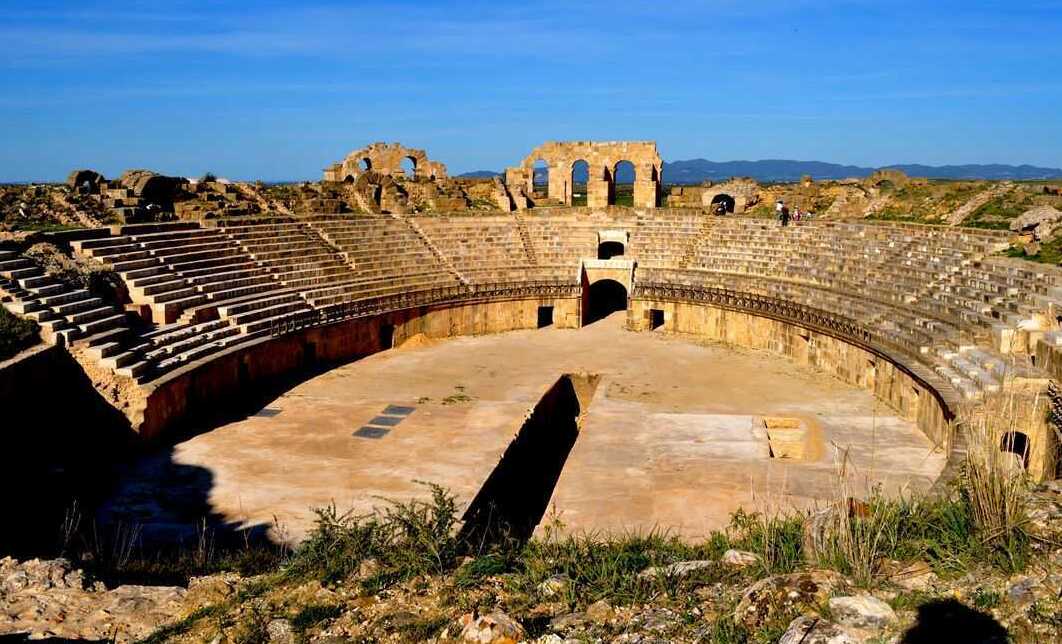
The archaeological park of Uthina is a testament to Roman architectural ingenuity, featuring an impressive amphitheater that could accommodate around 16,000 spectators. Built in the 3rd century CE, the lower half of the structure is ingeniously carved into the hillside, creating a natural seating arrangement, while the arches soar majestically above ground. Though the seats are not original, having been reconstructed in recent years, they offer a glimpse into the grandeur of Roman entertainment and social life. The amphitheater's design reflects the typical Roman style, characterized by its use of local stone and intricate archways, symbolizing the empire’s architectural prowess.
As you wander through the ruins, the remnants of Roman baths, temples, and residential buildings reveal the daily lives of Uthina's ancient inhabitants. Notable artworks, including intricate mosaics and inscriptions, have been unearthed, showcasing the artistic flair prevalent during this period. These mosaics often depicted scenes from mythology and nature, serving both decorative and educational purposes. The artistic significance of Uthina lies not only in its preserved structures but also in how they reflect broader Roman cultural influences.
While Uthina may not be bustling with tourists, it holds a unique charm rooted in its local culture and traditions. The surrounding region of Oudna is known for its vibrant community, where traditional customs are still practiced. Local festivals often celebrate the harvest and agricultural milestones, showcasing the rich agricultural heritage of Tunisia. Visitors may encounter traditional music, dance, and crafts during these times, providing an authentic glimpse into the lives of the locals.
Gastronomy in Uthina is a delightful reflection of Tunisian culture, with local dishes that tantalize the palate. Don’t miss the opportunity to savor couscous, a staple made from semolina wheat, often served with vegetables and meats infused with aromatic spices. Another local favorite is brik, a thin pastry filled with egg and sometimes fish or meat, fried to crispy perfection. Pair these dishes with a glass of mint tea, a refreshing beverage that embodies the hospitality of the Tunisian people.
Among the lesser-known curiosities of Uthina is the ancient water reservoir, which still functions, showcasing the advanced engineering skills of the Romans. This reservoir is a hidden marvel, often overlooked by visitors who focus solely on the amphitheater. Additionally, the site’s location provides panoramic views of the surrounding landscape, offering a serene backdrop for reflection on the city's past glory.
The best time to visit Uthina is during the spring (March to May) or autumn (September to November) when the weather is mild, making it ideal for exploration. To make the most of your visit, consider taking a guided tour to delve deeper into the history and significance of the ruins. Look out for the unique mosaics scattered throughout the site, as they are not only visually stunning but also tell the story of the cultural fusion that took place in ancient times.
In conclusion, Uthina stands as a silent witness to the grandeur of the Roman Empire, a place where history, art, and culture intertwine. For a personalized exploration of this remarkable site, consider using the Secret World app to craft your unique itinerary.
